
Recent from talks
Tenango del Aire
Knowledge base stats:
Talk channels stats:
Members stats:
Tenango del Aire
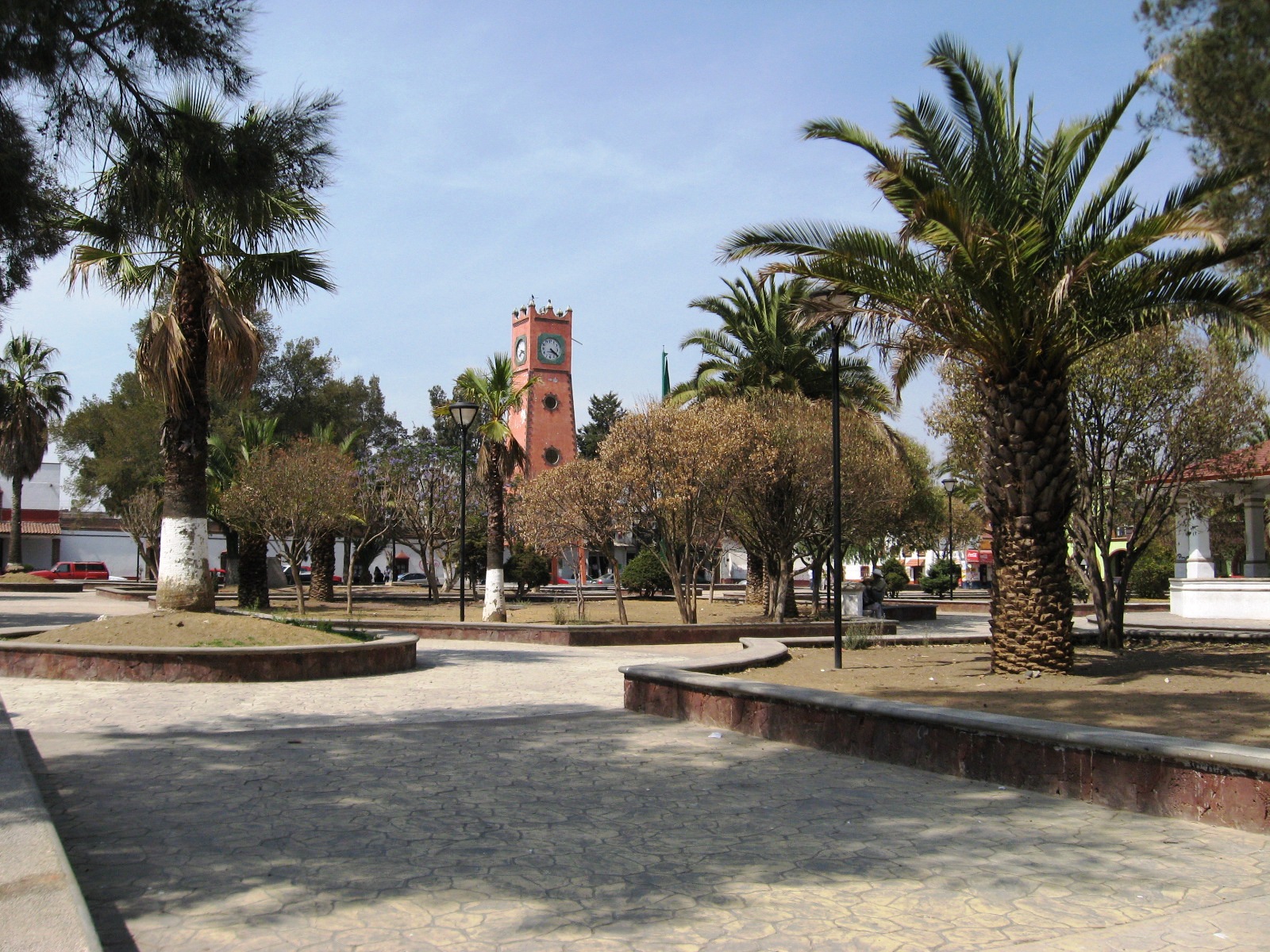
Tenango del Aire is a municipality located in the southeast portion of the State of Mexico and is about 42 km southeast of Mexico City. The municipal seat is the town of Tenango del Aire. The municipality is bordered by Temamatla, Tlalmanalco, Juchitepec, and Ayapango. Despite the fact that this municipality is distinctly rural, it falls within the Mexico City Metropolitan Area. The name “Tenango del Aire” came about in two parts. Originally and until 1890, the town was known as Tenango de Topopula. “Tenango” means “walled in” or “fenced by stones.” The second part is due to visits by President Porfirio Diaz, who commented on the winds that are prevalent here. “del Aire” means “of the air.”
In 1162, a subgroup of Chichimecas called the Teotenancas (Old Tenancas), entered the Valley of Chalco, conquering nearby Amecameca 100 years later. The first settlement in this part of the valley was in what is now San Mateo Tepopula, which is near the town. The Spaniards passed by here on their way to Tenochtitlan.
Soon after, in 1521, a number of Tenancas (descendants of the Teotenacas) moved to where the town is now, calling it “Tenanco.” In 1532, Juan de Zumárraga, the first Archbishop of Mexico, ordered the construction of the parish church, called San Juan Bautista (John the Baptist), and called the village here San Juan Tepopula. This term today is used to designate one of the neighborhoods of the town. Eventually, the official name was Tenango de San Juan Bautista Tepopula, then Tenango Tepopula, until the official name changed to what it is now.
Tenango del Aire gained municipality status in 1820, and the current municipal palace was built in 1978. As of the 2010 census, the town had a population of 5,915 people.
The San Juan Bautista Parish and plaza was ordered in 1532 and completed in 1671, initially run by the Franciscans. The baptistery dates to the 18th century and has a baptismal with reliefs of the Archangel Michael and an inscription that dates it to the year 1710. It contains a sculpture of Our Lady of the Rosary and paintings that depicts souls burning in Hell, both of which date to the 17th century.
The Casa de Madera Museum is a private museum which exhibits the second most important collection of applied arts in Mexico after the Franz Mayer Museum, according to CONACULTA. The museum's collection is spread out over four buildings with no apparent order and no other infrastructure other than the collection itself. The collection includes thousands of pieces from pre-Hispanic artifacts, religious art from the colonial period, and even modern art by known names, but the majority of the collection is everyday items from the last three centuries.
The Casa de Madera has been likened to visiting a grandparents’ attic. There are portraits from the 1920s, barbers’ implements, kitchens and living rooms packed with old furniture and decorations, old toys, watches, telephones, jars, farming implements, musical instruments and more. There is even a pen capable of shooting a 22 caliber bullet from World War II. The owners, Luis Pastor and Ricardo Flores, have been amassing the collection since the 1970s. The buildings in which the objects are stored are private houses, some areas of which the family still lives. Visitors to the museum are guided by the owners and their family who chat about the pieces as they stroll past. The tour takes about two hours. The museum has received grants from the Fondo Nacional para la Cultura y las Artes and has been open to the public since 1995.
A sports complex was opened here in 2006, with two multipurpose gyms, two jai alai courts, a soccer field, a playground for children and walking paths.
Hub AI
Tenango del Aire AI simulator
(@Tenango del Aire_simulator)
Tenango del Aire
Tenango del Aire is a municipality located in the southeast portion of the State of Mexico and is about 42 km southeast of Mexico City. The municipal seat is the town of Tenango del Aire. The municipality is bordered by Temamatla, Tlalmanalco, Juchitepec, and Ayapango. Despite the fact that this municipality is distinctly rural, it falls within the Mexico City Metropolitan Area. The name “Tenango del Aire” came about in two parts. Originally and until 1890, the town was known as Tenango de Topopula. “Tenango” means “walled in” or “fenced by stones.” The second part is due to visits by President Porfirio Diaz, who commented on the winds that are prevalent here. “del Aire” means “of the air.”
In 1162, a subgroup of Chichimecas called the Teotenancas (Old Tenancas), entered the Valley of Chalco, conquering nearby Amecameca 100 years later. The first settlement in this part of the valley was in what is now San Mateo Tepopula, which is near the town. The Spaniards passed by here on their way to Tenochtitlan.
Soon after, in 1521, a number of Tenancas (descendants of the Teotenacas) moved to where the town is now, calling it “Tenanco.” In 1532, Juan de Zumárraga, the first Archbishop of Mexico, ordered the construction of the parish church, called San Juan Bautista (John the Baptist), and called the village here San Juan Tepopula. This term today is used to designate one of the neighborhoods of the town. Eventually, the official name was Tenango de San Juan Bautista Tepopula, then Tenango Tepopula, until the official name changed to what it is now.
Tenango del Aire gained municipality status in 1820, and the current municipal palace was built in 1978. As of the 2010 census, the town had a population of 5,915 people.
The San Juan Bautista Parish and plaza was ordered in 1532 and completed in 1671, initially run by the Franciscans. The baptistery dates to the 18th century and has a baptismal with reliefs of the Archangel Michael and an inscription that dates it to the year 1710. It contains a sculpture of Our Lady of the Rosary and paintings that depicts souls burning in Hell, both of which date to the 17th century.
The Casa de Madera Museum is a private museum which exhibits the second most important collection of applied arts in Mexico after the Franz Mayer Museum, according to CONACULTA. The museum's collection is spread out over four buildings with no apparent order and no other infrastructure other than the collection itself. The collection includes thousands of pieces from pre-Hispanic artifacts, religious art from the colonial period, and even modern art by known names, but the majority of the collection is everyday items from the last three centuries.
The Casa de Madera has been likened to visiting a grandparents’ attic. There are portraits from the 1920s, barbers’ implements, kitchens and living rooms packed with old furniture and decorations, old toys, watches, telephones, jars, farming implements, musical instruments and more. There is even a pen capable of shooting a 22 caliber bullet from World War II. The owners, Luis Pastor and Ricardo Flores, have been amassing the collection since the 1970s. The buildings in which the objects are stored are private houses, some areas of which the family still lives. Visitors to the museum are guided by the owners and their family who chat about the pieces as they stroll past. The tour takes about two hours. The museum has received grants from the Fondo Nacional para la Cultura y las Artes and has been open to the public since 1995.
A sports complex was opened here in 2006, with two multipurpose gyms, two jai alai courts, a soccer field, a playground for children and walking paths.
Recent media