
Recent from talks
The Graphic
Knowledge base stats:
Talk channels stats:
Members stats:
The Graphic
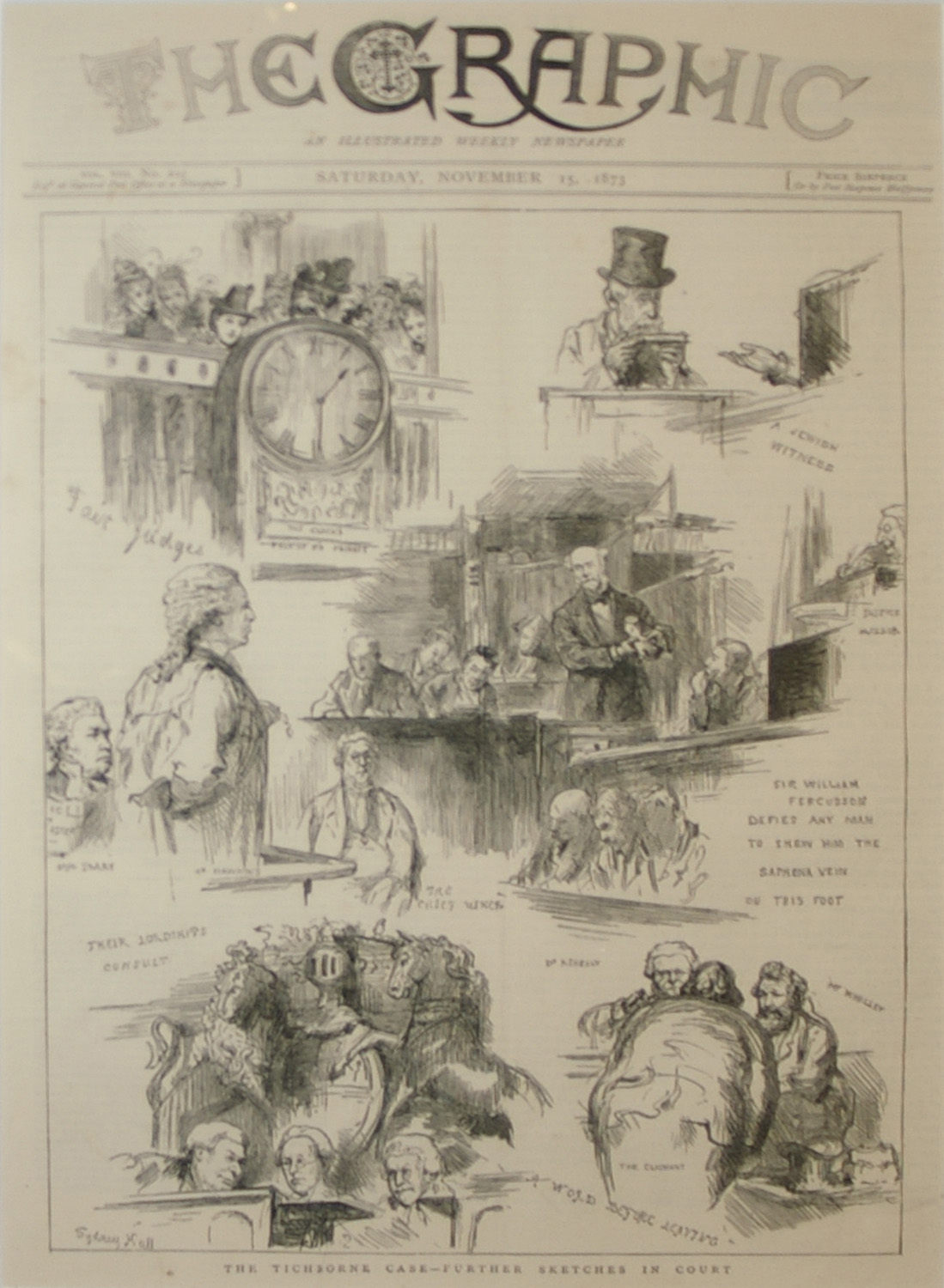
The Graphic was a British weekly illustrated newspaper, first published on 4 December 1869 by William Luson Thomas's company, Illustrated Newspapers Ltd with Thomas's brother, Lewis Samuel Thomas, as a co-founder. The Graphic was set up as a rival to the popular Illustrated London News.
In addition to its home market, the paper had subscribers all around the British Empire and North America. The Graphic sought to bring awareness to prevailing issues in the British empire such as poverty, homelessness, and public health. The newspaper aimed to cover home news and news from around the Empire, and devoted much attention to literature, arts, sciences, the fashionable world, sport, music and opera. Royal occasions, national celebrations, and ceremonies were also given prominent coverage. The newspaper used its illustrations to capture authentic scenes throughout London and had an immense influence on the art world with many admirers including Vincent van Gogh and Hubert von Herkomer, who was also an early contributor of illustrations.
From 1890 until 1926, Thomas's company, H. R. Baines & Co., published The Daily Graphic (a name later revived by Kemsley Newspapers between 1946 and 1952).
William Luson Thomas was a successful artist, wood-engraver and social reformer. Thomas also had an engraving establishment of his own and, aided by a large staff, illustrated and engraved numerous standard works. Exasperated and angered by the unsympathetic treatment of artists by the world's most successful illustrated paper, The Illustrated London News, and having a good business sense, Thomas resolved to set up an opposition. His illustrated paper, despite being more expensive than its competition, became an immediate success.
When it began in 1869, the newspaper was printed in a rented house. The first editor was Henry Sutherland Edwards. The Graphic was published on Saturdays and its original cover price was sixpence, while the Illustrated London News was fivepence. A successful artist himself, founder Thomas recruited gifted artists, including Luke Fildes, Hubert von Herkomer, Frank Holl, and John Everett Millais. In its first year, it described itself to advertisers as "a superior illustrated weekly newspaper, containing twenty-four pages imperial folio, printed on fine toned paper of beautiful quality, made expressly for the purpose and admirably adapted for the display of engravings".
The premature death of co-founder Lewis Samuel Thomas in 1872 "as one of the founders of this newspaper, [and who] took an active interest in its management" left a marked gap in the early history of the publication.
By 1882, the company owned three buildings and twenty printing presses, and employed more than 1,000 people.
Luson Thomas's seventh son George Holt Thomas was a director of the newspaper company and became general manager. Holt Thomas founded The Bystander and later Empire Illustrated before abandoning newspapers in 1906 and making a greater name for himself in the aviation industry.
Hub AI
The Graphic AI simulator
(@The Graphic_simulator)
The Graphic
The Graphic was a British weekly illustrated newspaper, first published on 4 December 1869 by William Luson Thomas's company, Illustrated Newspapers Ltd with Thomas's brother, Lewis Samuel Thomas, as a co-founder. The Graphic was set up as a rival to the popular Illustrated London News.
In addition to its home market, the paper had subscribers all around the British Empire and North America. The Graphic sought to bring awareness to prevailing issues in the British empire such as poverty, homelessness, and public health. The newspaper aimed to cover home news and news from around the Empire, and devoted much attention to literature, arts, sciences, the fashionable world, sport, music and opera. Royal occasions, national celebrations, and ceremonies were also given prominent coverage. The newspaper used its illustrations to capture authentic scenes throughout London and had an immense influence on the art world with many admirers including Vincent van Gogh and Hubert von Herkomer, who was also an early contributor of illustrations.
From 1890 until 1926, Thomas's company, H. R. Baines & Co., published The Daily Graphic (a name later revived by Kemsley Newspapers between 1946 and 1952).
William Luson Thomas was a successful artist, wood-engraver and social reformer. Thomas also had an engraving establishment of his own and, aided by a large staff, illustrated and engraved numerous standard works. Exasperated and angered by the unsympathetic treatment of artists by the world's most successful illustrated paper, The Illustrated London News, and having a good business sense, Thomas resolved to set up an opposition. His illustrated paper, despite being more expensive than its competition, became an immediate success.
When it began in 1869, the newspaper was printed in a rented house. The first editor was Henry Sutherland Edwards. The Graphic was published on Saturdays and its original cover price was sixpence, while the Illustrated London News was fivepence. A successful artist himself, founder Thomas recruited gifted artists, including Luke Fildes, Hubert von Herkomer, Frank Holl, and John Everett Millais. In its first year, it described itself to advertisers as "a superior illustrated weekly newspaper, containing twenty-four pages imperial folio, printed on fine toned paper of beautiful quality, made expressly for the purpose and admirably adapted for the display of engravings".
The premature death of co-founder Lewis Samuel Thomas in 1872 "as one of the founders of this newspaper, [and who] took an active interest in its management" left a marked gap in the early history of the publication.
By 1882, the company owned three buildings and twenty printing presses, and employed more than 1,000 people.
Luson Thomas's seventh son George Holt Thomas was a director of the newspaper company and became general manager. Holt Thomas founded The Bystander and later Empire Illustrated before abandoning newspapers in 1906 and making a greater name for himself in the aviation industry.
Recent media