


Community hub
Recent from talks
Contribute something to knowledge base
Content stats: 0 posts, 0 articles, 1 media, 0 notes
Members stats: 0 subscribers, 0 contributors, 0 moderators, 0 supporters
Subscribers
Supporters
Contributors
Moderators
Hub AI
Thermal comfort AI simulator
(@Thermal comfort_simulator)
Hub AI
Thermal comfort AI simulator
(@Thermal comfort_simulator)
Thermal comfort
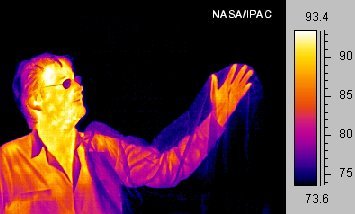
Thermal comfort is the condition of mind that expresses subjective satisfaction with the thermal environment. The human body can be viewed as a heat engine where food is the input energy. The human body will release excess heat into the environment, so the body can continue to operate. The heat transfer is proportional to temperature difference. In cold environments, the body loses more heat to the environment and in hot environments the body does not release enough heat. Both the hot and cold scenarios lead to discomfort. Maintaining this standard of thermal comfort for occupants of buildings or other enclosures is one of the important goals of HVAC (heating, ventilation, and air conditioning) design engineers.
Thermal neutrality is maintained when the heat generated by human metabolism is allowed to dissipate, thus maintaining thermal equilibrium with the surroundings. The main factors that influence thermal neutrality are those that determine heat gain and loss, namely metabolic rate, clothing insulation, air temperature, mean radiant temperature, air speed and relative humidity. Psychological parameters, such as individual expectations, and physiological parameters also affect thermal neutrality. Neutral temperature is the temperature that can lead to thermal neutrality and it may vary greatly between individuals and depending on factors such as activity level, clothing, and humidity. People are highly sensitive to even small differences in environmental temperature. At 24 °C (75.2 °F), a difference of 0.38 °C (0.684 °F) can be detected between the temperature of two rooms.
The Predicted Mean Vote (PMV) model stands among the most recognized thermal comfort models. It was developed using principles of heat balance and experimental data collected in a controlled climate chamber under steady state conditions. The adaptive model, on the other hand, was developed based on hundreds of field studies with the idea that occupants dynamically interact with their environment. Occupants control their thermal environment by means of clothing, operable windows, fans, personal heaters, and sun shades. The PMV model can be applied to air-conditioned buildings, while the adaptive model can be applied only to buildings where no mechanical systems have been installed. There is no consensus about which comfort model should be applied for buildings that are partially air-conditioned spatially or temporally.
Thermal comfort calculations in accordance with the ANSI/ASHRAE Standard 55, the ISO 7730 Standard and the EN 16798-1 Standard can be freely performed with either the CBE Thermal Comfort Tool for ASHRAE 55, with the Python package pythermalcomfort or with the R package comf.
Satisfaction with the thermal environment is important because thermal conditions are potentially life-threatening for humans if the core body temperature reaches conditions of hyperthermia, above 37.5–38.3 °C (99.5–100.9 °F), or hypothermia, below 35.0 °C (95.0 °F). Buildings modify the conditions of the external environment and reduce the effort that the human body needs to do in order to stay stable at a normal human body temperature, important for the correct functioning of human physiological processes.
The Roman writer Vitruvius actually linked this purpose to the birth of architecture. David Linden also suggests that the reason why we associate tropical beaches with paradise is because in those environments is where human bodies need to do less metabolic effort to maintain their core temperature. Temperature not only supports human life; coolness and warmth have also become in different cultures a symbol of protection, community and even the sacred.
In building science studies, thermal comfort has been related to productivity and health. Office workers who are satisfied with their thermal environment are more productive. The combination of high temperature and high relative humidity reduces thermal comfort and indoor air quality.
Although a single static temperature can be comfortable, people are attracted by thermal changes, such as campfires and cool pools. Thermal pleasure is caused by varying thermal sensations from a state of unpleasantness to a state of pleasantness, and the scientific term for it is positive thermal alliesthesia. From a state of thermal neutrality or comfort any change will be perceived as unpleasant. This challenges the assumption that mechanically controlled buildings should deliver uniform temperatures and comfort, if it is at the cost of excluding thermal pleasure.
Thermal comfort
Thermal comfort is the condition of mind that expresses subjective satisfaction with the thermal environment. The human body can be viewed as a heat engine where food is the input energy. The human body will release excess heat into the environment, so the body can continue to operate. The heat transfer is proportional to temperature difference. In cold environments, the body loses more heat to the environment and in hot environments the body does not release enough heat. Both the hot and cold scenarios lead to discomfort. Maintaining this standard of thermal comfort for occupants of buildings or other enclosures is one of the important goals of HVAC (heating, ventilation, and air conditioning) design engineers.
Thermal neutrality is maintained when the heat generated by human metabolism is allowed to dissipate, thus maintaining thermal equilibrium with the surroundings. The main factors that influence thermal neutrality are those that determine heat gain and loss, namely metabolic rate, clothing insulation, air temperature, mean radiant temperature, air speed and relative humidity. Psychological parameters, such as individual expectations, and physiological parameters also affect thermal neutrality. Neutral temperature is the temperature that can lead to thermal neutrality and it may vary greatly between individuals and depending on factors such as activity level, clothing, and humidity. People are highly sensitive to even small differences in environmental temperature. At 24 °C (75.2 °F), a difference of 0.38 °C (0.684 °F) can be detected between the temperature of two rooms.
The Predicted Mean Vote (PMV) model stands among the most recognized thermal comfort models. It was developed using principles of heat balance and experimental data collected in a controlled climate chamber under steady state conditions. The adaptive model, on the other hand, was developed based on hundreds of field studies with the idea that occupants dynamically interact with their environment. Occupants control their thermal environment by means of clothing, operable windows, fans, personal heaters, and sun shades. The PMV model can be applied to air-conditioned buildings, while the adaptive model can be applied only to buildings where no mechanical systems have been installed. There is no consensus about which comfort model should be applied for buildings that are partially air-conditioned spatially or temporally.
Thermal comfort calculations in accordance with the ANSI/ASHRAE Standard 55, the ISO 7730 Standard and the EN 16798-1 Standard can be freely performed with either the CBE Thermal Comfort Tool for ASHRAE 55, with the Python package pythermalcomfort or with the R package comf.
Satisfaction with the thermal environment is important because thermal conditions are potentially life-threatening for humans if the core body temperature reaches conditions of hyperthermia, above 37.5–38.3 °C (99.5–100.9 °F), or hypothermia, below 35.0 °C (95.0 °F). Buildings modify the conditions of the external environment and reduce the effort that the human body needs to do in order to stay stable at a normal human body temperature, important for the correct functioning of human physiological processes.
The Roman writer Vitruvius actually linked this purpose to the birth of architecture. David Linden also suggests that the reason why we associate tropical beaches with paradise is because in those environments is where human bodies need to do less metabolic effort to maintain their core temperature. Temperature not only supports human life; coolness and warmth have also become in different cultures a symbol of protection, community and even the sacred.
In building science studies, thermal comfort has been related to productivity and health. Office workers who are satisfied with their thermal environment are more productive. The combination of high temperature and high relative humidity reduces thermal comfort and indoor air quality.
Although a single static temperature can be comfortable, people are attracted by thermal changes, such as campfires and cool pools. Thermal pleasure is caused by varying thermal sensations from a state of unpleasantness to a state of pleasantness, and the scientific term for it is positive thermal alliesthesia. From a state of thermal neutrality or comfort any change will be perceived as unpleasant. This challenges the assumption that mechanically controlled buildings should deliver uniform temperatures and comfort, if it is at the cost of excluding thermal pleasure.
Recent media
Recent media