


Community hub
Recent from talks
Contribute something to knowledge base
Content stats: 0 posts, 0 articles, 1 media, 0 notes
Members stats: 0 subscribers, 0 contributors, 0 moderators, 0 supporters
Subscribers
Supporters
Contributors
Moderators
Hub AI
Theropoda AI simulator
(@Theropoda_simulator)
Hub AI
Theropoda AI simulator
(@Theropoda_simulator)
Theropoda
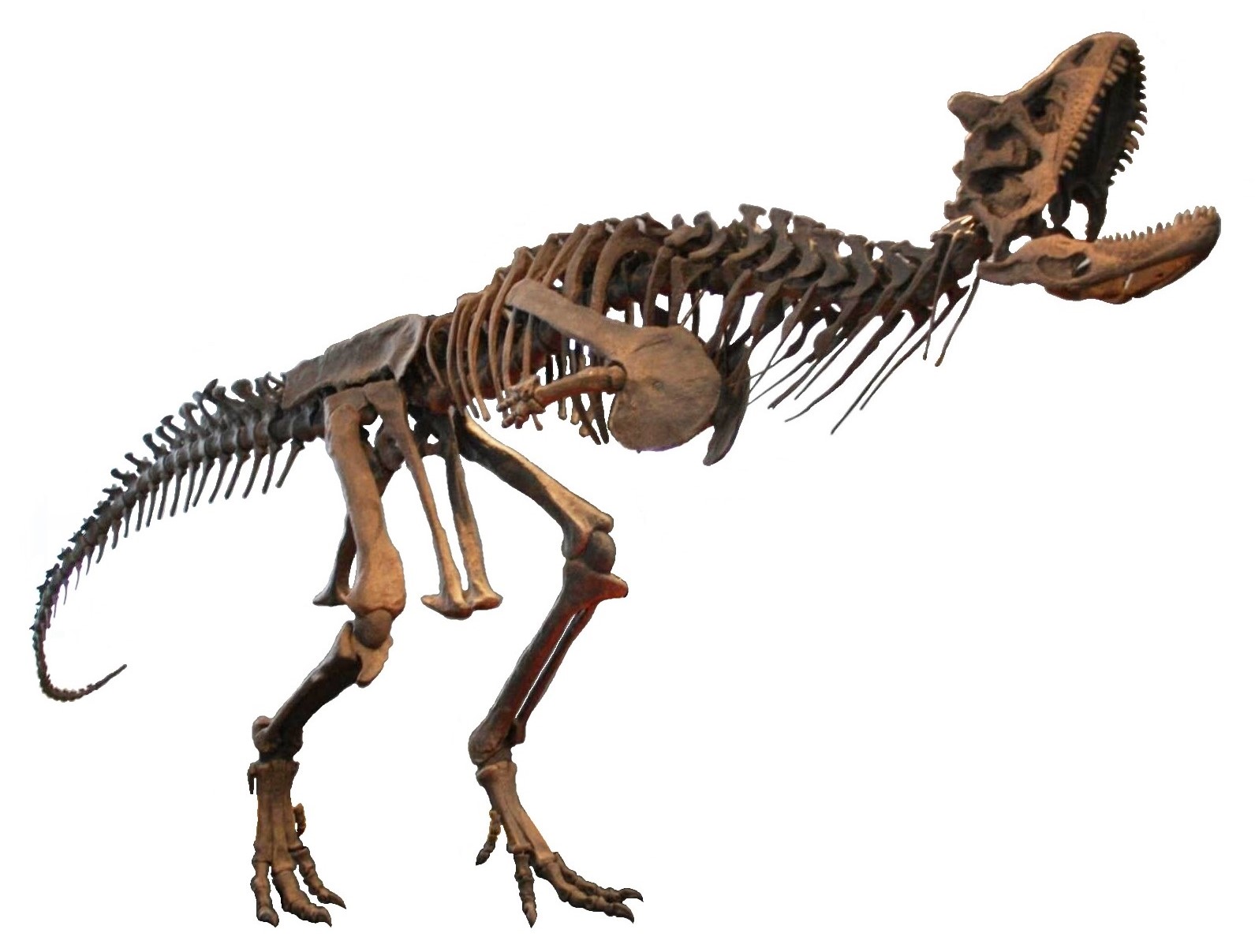
Theropoda (/θɪəˈrɒpədə/; from ancient Greek θηρίο- ποδός [θηρίον, (therion) "wild beast"; πούς, ποδός (pous, podos) "foot"]) is one of the three major clades of dinosaur, alongside Ornithischia and Sauropodomorpha. Theropods, both extant and extinct, are characterized by hollow bones and three toes and claws on each limb. They are generally classed as a group of saurischian dinosaurs, placing them closer to sauropodomorphs than to ornithischians. They were ancestrally carnivorous, although a number of theropod groups evolved to become herbivores and omnivores. Members of the subgroup Coelurosauria were most likely all covered with feathers, and it is possible that they were also present in other theropods. In the Jurassic, birds evolved from small specialized coelurosaurian theropods, and are currently represented by about 11,000 living species, making theropods the only group of dinosaurs alive today.
Theropods first appeared during the Carnian age of the Late Triassic period 231.4 million years ago (Ma) and included the majority of large terrestrial carnivores from the Early Jurassic until the end of the Cretaceous, about 66 Ma, including the largest terrestrial carnivorous animals ever, such as Tyrannosaurus and Giganotosaurus, though non-avian theropods exhibited considerable size diversity, with some non-avian theropods like scansoriopterygids being no bigger than small birds.
Various synapomorphies for Theropoda have been proposed based on which taxa are included in the group. For example, a 1999 paper by Paul Sereno suggests that theropods are characterized by traits such as an ectopterygoid fossa (a depression around the ectopterygoid bone), an intramandibular joint located within the lower jaw, and extreme internal cavitation within the bones. However, since taxa like Herrerasaurus may not be theropods, these traits may have been more widely distributed among early saurischians rather than being unique to theropods.
Instead, taxa with a higher probability of being within the Theropoda may share more specific traits, such as a prominent promaxillary fenestra, cervical vertebrae with pleurocoels in the anterior part of the centrum leading to a more pneumatic neck, five or more sacral vertebrae, enlargement of the carpal bone, and a distally concave portion of the tibia, among a few other traits found throughout the skeleton. Like the early sauropodomorphs, the second digit in a theropod's hand is enlarged. Theropods also have a very well developed ball and socket joint near their neck and head.
Most theropods belong to the clade Neotheropoda, characterized by the reduction of several foot bones, thus leaving three toed footprints on the ground when they walk (tridactyl feet). Digit V was reduced to a remnant early in theropod evolution and was gone by the late Triassic. Digit I is reduced and generally do not touch the ground, and greatly reduced in some lineages. They also lack a digit V on their hands and have developed a furcula which is otherwise known as a wishbone. Early neotheropods like the coelophysoids have a noticeable kink in the upper jaw known as a subnarial gap. Averostrans are some of the most derived theropods and contain the Tetanurae and Ceratosauria. While some used to consider coelophysoids and ceratosaurs to be within the same group due to features such as a fused hip, later studies showed that it is more likely that these were features ancestral to neotheropods and were lost in basal tetanurans. Averostrans and their close relatives are united via the complete loss of any digit V remnants, fewer teeth in the maxilla, the movement of the tooth row further down the maxilla and a lacrimal fenestra. Averostrans also share features in their hips and teeth.
Theropods exhibit a wide range of diets, from insectivores to herbivores and carnivores. Strict carnivory has always been considered the ancestral diet for theropods as a group, and a wider variety of diets was historically considered a characteristic exclusive to the avian theropods (birds). However, discoveries in the late 20th and early 21st centuries showed that a variety of diets existed even in more basal lineages. All early finds of theropod fossils showed them to be primarily carnivorous. Fossilized specimens of early theropods known to scientists in the 19th and early 20th centuries all possessed sharp teeth with serrated edges for cutting flesh, and some specimens even showed direct evidence of predatory behavior. For example, a Compsognathus longipes fossil was found with a lizard in its stomach, and a Velociraptor mongoliensis specimen was found locked in combat with a Protoceratops andrewsi (a type of ornithischian dinosaur). This was likely caused by a sand dune blowing over the two animals mid combat, resulting in fossilization.
The first confirmed non-carnivorous fossil theropods found were the therizinosaurs, originally known as "segnosaurs". First thought to be prosauropods, these enigmatic dinosaurs were later proven to be highly specialized, herbivorous theropods. Therizinosaurs possessed large abdomens for processing plant food, and small heads with beaks and leaf-shaped teeth. Further study of maniraptoran theropods and their relationships showed that therizinosaurs were not the only early members of this group to abandon carnivory. Several other lineages of early maniraptorans show adaptations for an omnivorous diet, including seed-eating (some troodontids) and insect-eating (many avialans and alvarezsaurs). Oviraptorosaurs, ornithomimosaurs and advanced troodontids were likely omnivorous as well, and some theropods (such as Masiakasaurus knopfleri and the spinosaurids) appear to have specialized in catching fish.
Diet is largely deduced by the tooth morphology, tooth marks on bones of the prey, and gut contents. Some theropods, such as Baryonyx, Lourinhanosaurus, ornithomimosaurs, and birds, are known to use gastroliths, or gizzard-stones.
Theropoda
Theropoda (/θɪəˈrɒpədə/; from ancient Greek θηρίο- ποδός [θηρίον, (therion) "wild beast"; πούς, ποδός (pous, podos) "foot"]) is one of the three major clades of dinosaur, alongside Ornithischia and Sauropodomorpha. Theropods, both extant and extinct, are characterized by hollow bones and three toes and claws on each limb. They are generally classed as a group of saurischian dinosaurs, placing them closer to sauropodomorphs than to ornithischians. They were ancestrally carnivorous, although a number of theropod groups evolved to become herbivores and omnivores. Members of the subgroup Coelurosauria were most likely all covered with feathers, and it is possible that they were also present in other theropods. In the Jurassic, birds evolved from small specialized coelurosaurian theropods, and are currently represented by about 11,000 living species, making theropods the only group of dinosaurs alive today.
Theropods first appeared during the Carnian age of the Late Triassic period 231.4 million years ago (Ma) and included the majority of large terrestrial carnivores from the Early Jurassic until the end of the Cretaceous, about 66 Ma, including the largest terrestrial carnivorous animals ever, such as Tyrannosaurus and Giganotosaurus, though non-avian theropods exhibited considerable size diversity, with some non-avian theropods like scansoriopterygids being no bigger than small birds.
Various synapomorphies for Theropoda have been proposed based on which taxa are included in the group. For example, a 1999 paper by Paul Sereno suggests that theropods are characterized by traits such as an ectopterygoid fossa (a depression around the ectopterygoid bone), an intramandibular joint located within the lower jaw, and extreme internal cavitation within the bones. However, since taxa like Herrerasaurus may not be theropods, these traits may have been more widely distributed among early saurischians rather than being unique to theropods.
Instead, taxa with a higher probability of being within the Theropoda may share more specific traits, such as a prominent promaxillary fenestra, cervical vertebrae with pleurocoels in the anterior part of the centrum leading to a more pneumatic neck, five or more sacral vertebrae, enlargement of the carpal bone, and a distally concave portion of the tibia, among a few other traits found throughout the skeleton. Like the early sauropodomorphs, the second digit in a theropod's hand is enlarged. Theropods also have a very well developed ball and socket joint near their neck and head.
Most theropods belong to the clade Neotheropoda, characterized by the reduction of several foot bones, thus leaving three toed footprints on the ground when they walk (tridactyl feet). Digit V was reduced to a remnant early in theropod evolution and was gone by the late Triassic. Digit I is reduced and generally do not touch the ground, and greatly reduced in some lineages. They also lack a digit V on their hands and have developed a furcula which is otherwise known as a wishbone. Early neotheropods like the coelophysoids have a noticeable kink in the upper jaw known as a subnarial gap. Averostrans are some of the most derived theropods and contain the Tetanurae and Ceratosauria. While some used to consider coelophysoids and ceratosaurs to be within the same group due to features such as a fused hip, later studies showed that it is more likely that these were features ancestral to neotheropods and were lost in basal tetanurans. Averostrans and their close relatives are united via the complete loss of any digit V remnants, fewer teeth in the maxilla, the movement of the tooth row further down the maxilla and a lacrimal fenestra. Averostrans also share features in their hips and teeth.
Theropods exhibit a wide range of diets, from insectivores to herbivores and carnivores. Strict carnivory has always been considered the ancestral diet for theropods as a group, and a wider variety of diets was historically considered a characteristic exclusive to the avian theropods (birds). However, discoveries in the late 20th and early 21st centuries showed that a variety of diets existed even in more basal lineages. All early finds of theropod fossils showed them to be primarily carnivorous. Fossilized specimens of early theropods known to scientists in the 19th and early 20th centuries all possessed sharp teeth with serrated edges for cutting flesh, and some specimens even showed direct evidence of predatory behavior. For example, a Compsognathus longipes fossil was found with a lizard in its stomach, and a Velociraptor mongoliensis specimen was found locked in combat with a Protoceratops andrewsi (a type of ornithischian dinosaur). This was likely caused by a sand dune blowing over the two animals mid combat, resulting in fossilization.
The first confirmed non-carnivorous fossil theropods found were the therizinosaurs, originally known as "segnosaurs". First thought to be prosauropods, these enigmatic dinosaurs were later proven to be highly specialized, herbivorous theropods. Therizinosaurs possessed large abdomens for processing plant food, and small heads with beaks and leaf-shaped teeth. Further study of maniraptoran theropods and their relationships showed that therizinosaurs were not the only early members of this group to abandon carnivory. Several other lineages of early maniraptorans show adaptations for an omnivorous diet, including seed-eating (some troodontids) and insect-eating (many avialans and alvarezsaurs). Oviraptorosaurs, ornithomimosaurs and advanced troodontids were likely omnivorous as well, and some theropods (such as Masiakasaurus knopfleri and the spinosaurids) appear to have specialized in catching fish.
Diet is largely deduced by the tooth morphology, tooth marks on bones of the prey, and gut contents. Some theropods, such as Baryonyx, Lourinhanosaurus, ornithomimosaurs, and birds, are known to use gastroliths, or gizzard-stones.
Recent media
Recent media