
Recent from talks
Thomas Langlois Lefroy
Knowledge base stats:
Talk channels stats:
Members stats:
Thomas Langlois Lefroy
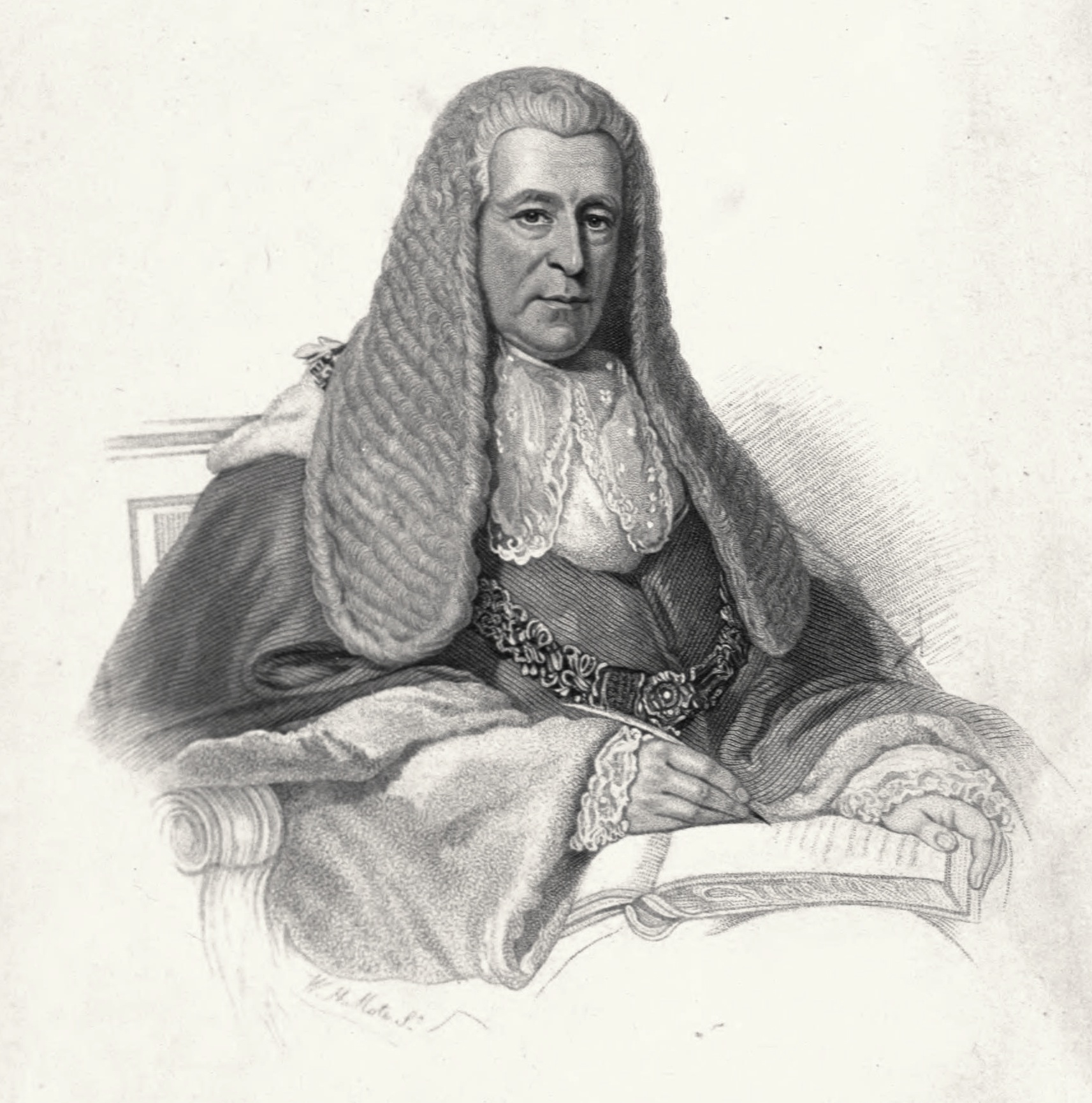
Thomas Langlois Lefroy (8 January 1776 – 4 May 1869) was an Irish politician and judge. He served as an MP for the constituency of Dublin University in 1830–1841, Privy Councillor of Ireland in 1835–1869 and Lord Chief Justice of Ireland in 1852–1866.
Thomas Lefroy was born in Limerick, Ireland. He had an outstanding academic record at Trinity College Dublin, from 1790 to 1793. His great-uncle, Benjamin Langlois, sponsored Tom's legal studies at Lincoln's Inn, London. One year later, Lefroy served as Auditor of Trinity's College Historical Society, the still-active debating society of the college. Later still, he became a prominent member of the Irish bar (having been called to it in 1797) and published a series of Law Reports on the cases of the Irish Court of Chancery.
In 1796, Lefroy began a flirtation with Jane Austen, who was a friend of an older relative, Anne Brydges Lefroy. Jane Austen wrote two letters to her sister Cassandra mentioning "Tom Lefroy", and some have suggested that it may have been he whom Austen had in mind when she invented the character of Mr. Darcy in Pride and Prejudice, as the courtship between Tom Lefroy and Jane Austen took place over the year or so that Pride and Prejudice was written. In his 2003 biography, Becoming Jane Austen, Jon Spence suggests that Jane Austen actually used her and Tom Lefroy's personalities as the models for Mr. Darcy and Elizabeth Bennet, but not in an expected way. Spence suggests that Jane Austen used Tom Lefroy's more gregarious personality as the model for the novel's heroine Elizabeth Bennet, and her own measured demeanor was used as the model for the male protagonist, Mr. Darcy.
In a letter dated Saturday (9 January 1796), Austen mentioned:
You scold me so much in the nice long letter which I have this moment received from you, that I am almost afraid to tell you how my Irish friend and I behaved. Imagine to yourself everything most profligate and shocking in the way of dancing and sitting down together. I can expose myself however, only once more, because he leaves the country soon after next Friday, on which day we are to have a dance at Ashe after all. He is a very gentlemanlike, good-looking, pleasant young man, I assure you. But as to our having ever met, except at the three last balls, I cannot say much; for he is so excessively laughed at about me at Ashe, that he is ashamed of coming to Steventon, and ran away when we called on Mrs. Lefroy a few days ago.
. . .
After I had written the above, we received a visit from Mr. Tom Lefroy and his cousin George. The latter is really very well-behaved now; and as for the other, he has but one fault, which time will, I trust, entirely remove – it is that his morning coat is a great deal too light. He is a very great admirer of Tom Jones, and therefore wears the same coloured clothes, I imagine, which he did when he was wounded.
In a letter started on Thursday (14 January 1796), and finished the following morning, there was another mention of him.
Friday. – At length the day is come on which I am to flirt my last with Tom Lefroy, and when you receive this it will be over. My tears flow as I write at the melancholy idea.
Austen's surviving correspondence contains only one other mention of Tom Lefroy, in a November 1798 letter that Austen biographer Claire Tomalin believes demonstrates the author's "bleak remembrance, and persistent interest" in Lefroy. In the letter to her sister, Austen writes that Tom's aunt Mrs. Lefroy had been to visit, but had not said anything about her nephew...
Hub AI
Thomas Langlois Lefroy AI simulator
(@Thomas Langlois Lefroy_simulator)
Thomas Langlois Lefroy
Thomas Langlois Lefroy (8 January 1776 – 4 May 1869) was an Irish politician and judge. He served as an MP for the constituency of Dublin University in 1830–1841, Privy Councillor of Ireland in 1835–1869 and Lord Chief Justice of Ireland in 1852–1866.
Thomas Lefroy was born in Limerick, Ireland. He had an outstanding academic record at Trinity College Dublin, from 1790 to 1793. His great-uncle, Benjamin Langlois, sponsored Tom's legal studies at Lincoln's Inn, London. One year later, Lefroy served as Auditor of Trinity's College Historical Society, the still-active debating society of the college. Later still, he became a prominent member of the Irish bar (having been called to it in 1797) and published a series of Law Reports on the cases of the Irish Court of Chancery.
In 1796, Lefroy began a flirtation with Jane Austen, who was a friend of an older relative, Anne Brydges Lefroy. Jane Austen wrote two letters to her sister Cassandra mentioning "Tom Lefroy", and some have suggested that it may have been he whom Austen had in mind when she invented the character of Mr. Darcy in Pride and Prejudice, as the courtship between Tom Lefroy and Jane Austen took place over the year or so that Pride and Prejudice was written. In his 2003 biography, Becoming Jane Austen, Jon Spence suggests that Jane Austen actually used her and Tom Lefroy's personalities as the models for Mr. Darcy and Elizabeth Bennet, but not in an expected way. Spence suggests that Jane Austen used Tom Lefroy's more gregarious personality as the model for the novel's heroine Elizabeth Bennet, and her own measured demeanor was used as the model for the male protagonist, Mr. Darcy.
In a letter dated Saturday (9 January 1796), Austen mentioned:
You scold me so much in the nice long letter which I have this moment received from you, that I am almost afraid to tell you how my Irish friend and I behaved. Imagine to yourself everything most profligate and shocking in the way of dancing and sitting down together. I can expose myself however, only once more, because he leaves the country soon after next Friday, on which day we are to have a dance at Ashe after all. He is a very gentlemanlike, good-looking, pleasant young man, I assure you. But as to our having ever met, except at the three last balls, I cannot say much; for he is so excessively laughed at about me at Ashe, that he is ashamed of coming to Steventon, and ran away when we called on Mrs. Lefroy a few days ago.
. . .
After I had written the above, we received a visit from Mr. Tom Lefroy and his cousin George. The latter is really very well-behaved now; and as for the other, he has but one fault, which time will, I trust, entirely remove – it is that his morning coat is a great deal too light. He is a very great admirer of Tom Jones, and therefore wears the same coloured clothes, I imagine, which he did when he was wounded.
In a letter started on Thursday (14 January 1796), and finished the following morning, there was another mention of him.
Friday. – At length the day is come on which I am to flirt my last with Tom Lefroy, and when you receive this it will be over. My tears flow as I write at the melancholy idea.
Austen's surviving correspondence contains only one other mention of Tom Lefroy, in a November 1798 letter that Austen biographer Claire Tomalin believes demonstrates the author's "bleak remembrance, and persistent interest" in Lefroy. In the letter to her sister, Austen writes that Tom's aunt Mrs. Lefroy had been to visit, but had not said anything about her nephew...
Recent media