
Recent from talks
Tibetan independence movement
Knowledge base stats:
Talk channels stats:
Members stats:
Tibetan independence movement
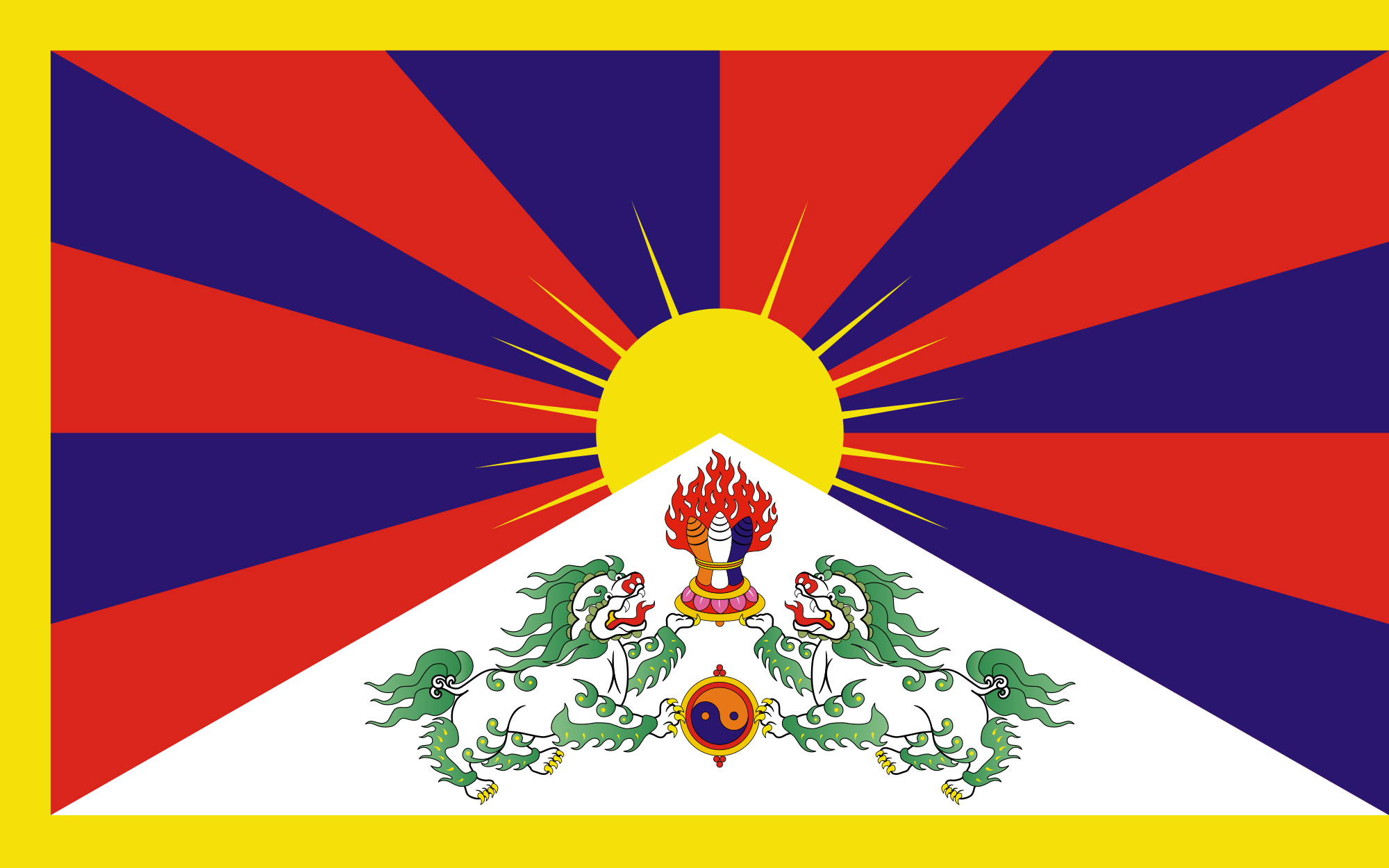
The Tibetan independence movement (Tibetan: བོད་རང་བཙན Bod rang btsan; simplified Chinese: 西藏独立运动; traditional Chinese: 西藏獨立運動) is the political movement advocating for the reversal of the 1950 annexation of Tibet by the People's Republic of China, and the separation and independence of Greater Tibet from China.
It is principally led by the Tibetan diaspora in countries like India and the United States, and by celebrities and Tibetan Buddhists in the United States, India and Europe. The Central Tibetan Administration is based in Dharamshala, India.
The Tibetan independence movement is no longer supported by the U.S.'s Central Intelligence Agency, which ended its Tibetan program after the 1972 visit by Richard Nixon to China. Later in the 1970s, the 14th Dalai Lama, who had backed it since 1961, also withdrew his support but now supports the "Middle Way Approach".
After the Mongol Prince Köden took control of the Kokonor region in 1239, he sent his general Doorda Darqan on a reconnaissance mission into Tibet in 1240. During this expedition the Kadampa monasteries of Rwa-sgreng and Rgyal-lha-khang were burned, and 500 people killed. The death of the Mongol qaghan Ögedei Khan in 1241 brought Mongol military activity around the world temporarily to a halt. Mongol interests in Tibet resumed in 1244, when Prince Köden sent an invitation to the leader of the Sakya sect, to come to his capital and formally surrender Tibet to the Mongols. The Sakya leader arrived in Kokonor with his two nephews Drogön Chögyal Phagpa ('Phags-pa; 1235–80) and Chana Dorje (Phyag-na Rdo-rje; 1239–67) in 1246. This event marked the incorporation of Tibet into the Mongol Empire. Tibet was under administrative rule of the Yuan dynasty until the 1350s. At that point, Tibet regained its independence.
In 1720, the Qing dynasty army entered Tibet in aid of the locals and defeated the invading forces of the Dzungar Khanate; thus began the period of Qing rule of Tibet. Later, the Chinese emperor assigned the Dalai Lama and Panchen Lama to be in charge of religious and political matters in Tibet. The Dalai Lama was leader of the area around Lhasa; the Panchen Lama was leader of the area of Shigatse Prefecture.
By the early 18th century, the Qing dynasty had started to send resident commissioners (Ambans) to Lhasa. Tibetan factions rebelled in 1750 and killed the resident commissioners after the central government decided to reduce the number of soldiers to about 100. The Qing army entered and defeated the rebels and reinstalled the resident commissioner. The number of soldiers in Tibet was kept at about 2,000. The defensive duties were assisted by a local force which was reorganized by the resident commissioner, and the Tibetan government continued to manage day-to-day affairs as before.
At multiple places such as Lhasa, Batang, Dartsendo, Lhari, Chamdo, and Litang, Green Standard Army troops were garrisoned throughout the Dzungar war. Green Standard Army troops and Manchu Bannermen were both part of the Qing force which fought in Tibet in the war against the Dzungars. It was said that the Sichuan commander Yue Zhongqi (a descendant of Yue Fei) entered Lhasa first when the 2,000 Green Standard soldiers and 1,000 Manchu soldiers of the "Sichuan route" seized Lhasa. According to Mark C. Elliott, after 1728 the Qing used Green Standard Army troops to man the garrison in Lhasa rather than Bannermen. According to Evelyn S. Rawski, both Green Standard Army and Bannermen made up the Qing garrison in Tibet. According to Sabine Dabringhaus, Green Standard Chinese soldiers numbering more than 1,300 were stationed by the Qing in Tibet to support the 3,000-strong Tibetan army.
In the mid 19th century, arriving with an Amban, a community of Chinese troops from Sichuan who married Tibetan women settled down in the Lubu neighborhood of Lhasa, where their descendants established a community and assimilated into Tibetan culture. Hebalin was the location of where Chinese Muslim troops and their offspring lived, while Lubu was the place where Han Chinese troops and their offspring lived.
Hub AI
Tibetan independence movement AI simulator
(@Tibetan independence movement_simulator)
Tibetan independence movement
The Tibetan independence movement (Tibetan: བོད་རང་བཙན Bod rang btsan; simplified Chinese: 西藏独立运动; traditional Chinese: 西藏獨立運動) is the political movement advocating for the reversal of the 1950 annexation of Tibet by the People's Republic of China, and the separation and independence of Greater Tibet from China.
It is principally led by the Tibetan diaspora in countries like India and the United States, and by celebrities and Tibetan Buddhists in the United States, India and Europe. The Central Tibetan Administration is based in Dharamshala, India.
The Tibetan independence movement is no longer supported by the U.S.'s Central Intelligence Agency, which ended its Tibetan program after the 1972 visit by Richard Nixon to China. Later in the 1970s, the 14th Dalai Lama, who had backed it since 1961, also withdrew his support but now supports the "Middle Way Approach".
After the Mongol Prince Köden took control of the Kokonor region in 1239, he sent his general Doorda Darqan on a reconnaissance mission into Tibet in 1240. During this expedition the Kadampa monasteries of Rwa-sgreng and Rgyal-lha-khang were burned, and 500 people killed. The death of the Mongol qaghan Ögedei Khan in 1241 brought Mongol military activity around the world temporarily to a halt. Mongol interests in Tibet resumed in 1244, when Prince Köden sent an invitation to the leader of the Sakya sect, to come to his capital and formally surrender Tibet to the Mongols. The Sakya leader arrived in Kokonor with his two nephews Drogön Chögyal Phagpa ('Phags-pa; 1235–80) and Chana Dorje (Phyag-na Rdo-rje; 1239–67) in 1246. This event marked the incorporation of Tibet into the Mongol Empire. Tibet was under administrative rule of the Yuan dynasty until the 1350s. At that point, Tibet regained its independence.
In 1720, the Qing dynasty army entered Tibet in aid of the locals and defeated the invading forces of the Dzungar Khanate; thus began the period of Qing rule of Tibet. Later, the Chinese emperor assigned the Dalai Lama and Panchen Lama to be in charge of religious and political matters in Tibet. The Dalai Lama was leader of the area around Lhasa; the Panchen Lama was leader of the area of Shigatse Prefecture.
By the early 18th century, the Qing dynasty had started to send resident commissioners (Ambans) to Lhasa. Tibetan factions rebelled in 1750 and killed the resident commissioners after the central government decided to reduce the number of soldiers to about 100. The Qing army entered and defeated the rebels and reinstalled the resident commissioner. The number of soldiers in Tibet was kept at about 2,000. The defensive duties were assisted by a local force which was reorganized by the resident commissioner, and the Tibetan government continued to manage day-to-day affairs as before.
At multiple places such as Lhasa, Batang, Dartsendo, Lhari, Chamdo, and Litang, Green Standard Army troops were garrisoned throughout the Dzungar war. Green Standard Army troops and Manchu Bannermen were both part of the Qing force which fought in Tibet in the war against the Dzungars. It was said that the Sichuan commander Yue Zhongqi (a descendant of Yue Fei) entered Lhasa first when the 2,000 Green Standard soldiers and 1,000 Manchu soldiers of the "Sichuan route" seized Lhasa. According to Mark C. Elliott, after 1728 the Qing used Green Standard Army troops to man the garrison in Lhasa rather than Bannermen. According to Evelyn S. Rawski, both Green Standard Army and Bannermen made up the Qing garrison in Tibet. According to Sabine Dabringhaus, Green Standard Chinese soldiers numbering more than 1,300 were stationed by the Qing in Tibet to support the 3,000-strong Tibetan army.
In the mid 19th century, arriving with an Amban, a community of Chinese troops from Sichuan who married Tibetan women settled down in the Lubu neighborhood of Lhasa, where their descendants established a community and assimilated into Tibetan culture. Hebalin was the location of where Chinese Muslim troops and their offspring lived, while Lubu was the place where Han Chinese troops and their offspring lived.
Recent media