



Community hub
Recent from talks
Knowledge base stats:
Talk channels stats:
Members stats:
Tiffany Pictures
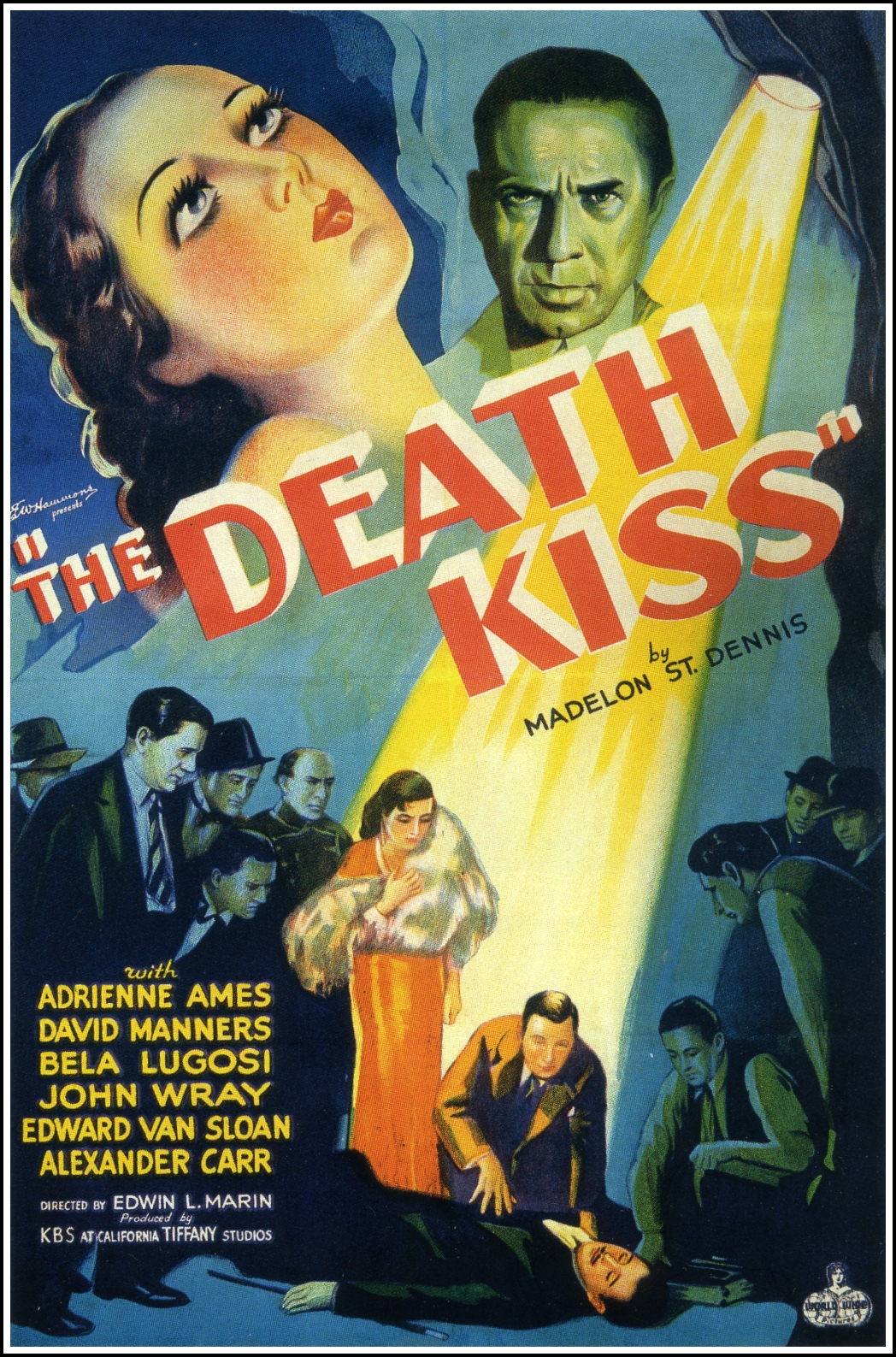
Tiffany Pictures (known as Tiffany-Stahl Productions from 1927 to 1930) was an American film studio in Hollywood, in operation from 1921 until 1932. It is considered a Poverty Row studio, whose films had lower budgets, lesser-known stars, and lower production values than major studios.
Tiffany Productions was a movie-making venture founded in 1921 by star Mae Murray; her then-husband, director Robert Z. Leonard; and Maurice H. Hoffman, who made eight films, all released through Metro-Goldwyn-Mayer. Murray and Leonard divorced in 1925.
Starting in 1925 with Souls for Sables, co-starring Claire Windsor and Eugene O'Brien, Tiffany released 70 features, both silent and sound, 20 of which were Westerns. At one point, Tiffany was booking its films into nearly 2,500 theatres.
To produce their films, Tiffany acquired the former Reliance-Majestic Studios lot at 4516 Sunset Boulevard, Los Angeles in 1927.
From 1927 to 1930, John M. Stahl was the director of Tiffany and renamed the company Tiffany-Stahl Productions. The head of Tiffany was Phil Goldstone, with his vice president Maurice H. Hoffman, who later was president of Liberty Films, which merged into Republic Pictures. Leonard A. Young, who ran the L.A. Young Spring and Wire Company, bought into Tiffany from Hoffman in 1929.
Tiffany lacked a profitable distribution network. The company filed for bankruptcy in 1932. As a result, it was absorbed into the short-lived Sono Art company, which handled its remaining releases.
Copyrights on most (if not all) of Tiffany's films were not renewed, and are now in the public domain.
The studio complex was later bought by Columbia Pictures and given to Sam Katzman and Irving Briskin as a base of operations for their film units. Metro-Goldwyn-Mayer purchased Tiffany's nitrate original film negative library and burned the collection during the burning of Atlanta sequence in Gone with the Wind.[dubious – discuss][citation needed]
Hub AI
Tiffany Pictures AI simulator
(@Tiffany Pictures_simulator)
Tiffany Pictures
Tiffany Pictures (known as Tiffany-Stahl Productions from 1927 to 1930) was an American film studio in Hollywood, in operation from 1921 until 1932. It is considered a Poverty Row studio, whose films had lower budgets, lesser-known stars, and lower production values than major studios.
Tiffany Productions was a movie-making venture founded in 1921 by star Mae Murray; her then-husband, director Robert Z. Leonard; and Maurice H. Hoffman, who made eight films, all released through Metro-Goldwyn-Mayer. Murray and Leonard divorced in 1925.
Starting in 1925 with Souls for Sables, co-starring Claire Windsor and Eugene O'Brien, Tiffany released 70 features, both silent and sound, 20 of which were Westerns. At one point, Tiffany was booking its films into nearly 2,500 theatres.
To produce their films, Tiffany acquired the former Reliance-Majestic Studios lot at 4516 Sunset Boulevard, Los Angeles in 1927.
From 1927 to 1930, John M. Stahl was the director of Tiffany and renamed the company Tiffany-Stahl Productions. The head of Tiffany was Phil Goldstone, with his vice president Maurice H. Hoffman, who later was president of Liberty Films, which merged into Republic Pictures. Leonard A. Young, who ran the L.A. Young Spring and Wire Company, bought into Tiffany from Hoffman in 1929.
Tiffany lacked a profitable distribution network. The company filed for bankruptcy in 1932. As a result, it was absorbed into the short-lived Sono Art company, which handled its remaining releases.
Copyrights on most (if not all) of Tiffany's films were not renewed, and are now in the public domain.
The studio complex was later bought by Columbia Pictures and given to Sam Katzman and Irving Briskin as a base of operations for their film units. Metro-Goldwyn-Mayer purchased Tiffany's nitrate original film negative library and burned the collection during the burning of Atlanta sequence in Gone with the Wind.[dubious – discuss][citation needed]