
Recent from talks
Tim Armstrong (politician)
Knowledge base stats:
Talk channels stats:
Members stats:
Tim Armstrong (politician)
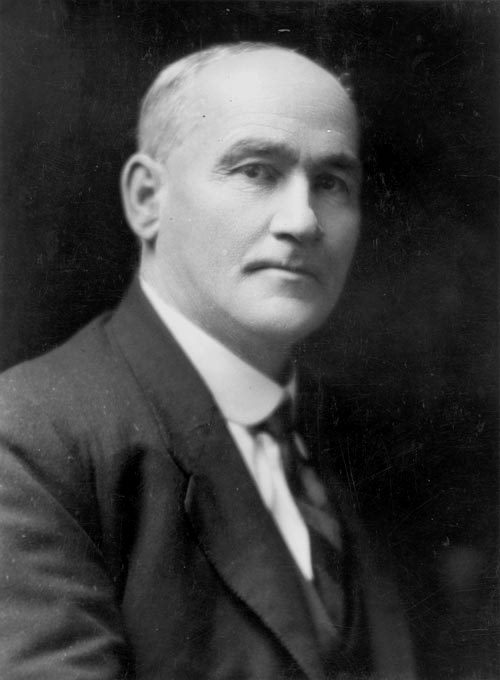
Hubert Thomas "Tim" Armstrong (28 September 1875 – 8 November 1942) was a New Zealand politician in the Labour Party.
Armstrong was born in Bulls to the recent Irish immigrants Mary Newcombe and her husband, Martin Armstrong. He had nine siblings and his father was a blacksmith by trade, but worked as a labourer in New Zealand. His mother was a nurse and washerwoman. Tim Armstrong left school when he was eleven and worked in flax milling and in the bush near Bulls. In 1895, he started working in the mines at Waihi. He married Alice Fox on 7 March 1900 at Paeroa. Stemming from his parentage he was a convinced Roman Catholic and a supporter of Irish nationalism.
He joined the Thames Miners' Union which by 1901 was seeking increases to wages and safer working conditions, but were perpetually refused by the owners. Armstrong's union involvement increased markedly helped found the new Waihi Amalgamated Miners' and Workers' Union. In 1907 he helped conduct its first case in the Court of Arbitration in 1907, which was able secure only modest salary increases. As a result of this the union and Armstrong himself grew disillusioned with the arbitration process and became attracted to the more radical idea of syndicalism they were introduced to through the New Zealand Federation of Miners (to whom they were affiliated). Armstrong was elected vice president of the miners' federation in October 1908 holding the office for two years. He also entered politics for the first time and was elected to the Waihi Borough Council from 1907 to 1909. At the 1908 general election he contested the parliamentary seat of Ohinemuri as an independent labour candidate, finishing last of five candidates.
Owing to his newfound radicalisation, Armstrong was dismissed from his mining job in Waihi and he and his family were forced to leave the area, settling at the coal mining town of Runanga on the West Coast. He found another mining job soon after and later became the secretary of the West Coast Workers' Union. He entered local politics there as well, serving on the Runanga Borough Council between 1911 and 1913.
In 1916 he moved to Christchurch, becoming a dockworker on the wharves in Lyttelton. By this time the labour movement were voicing concerns about cost of living increases for workers, servicemen and their dependents and, by the end of the year, were actively protesting government imposed conscription. In 1917 Armstrong gave a speech at a street-corner meeting stating that the motivation for conscription was mostly due to the government wanting to increase their control over workers, not out of a necessity to defeat the Central Powers. He also accused politicians of intimidating workers and claimed that were soldiers paid adequately there would be no need to legislate to enlist volunteers. Armstrong was arrested and subsequently prosecuted for sedition, spending a year in prison.
Armstrong was elected to the Christchurch City Council from 1919 to 1925, and again from 1927 to 1929. Whilst a member of the city council he was a perpetual advocate for public works schemes and municipal housing to both create employment and improve the quality of life for workers. In 1919 he became secretary of the Christchurch Tramway Employees' Union, holding the office until 1922 when he resigned. From 1921 to 1922 Armstrong was vice-president of the Labour Party and later was its president from 1934 to 1935.
He was also elected a member of the Lyttelton Harbour Board and was chairman of the board from 5 June 1930 to 4 June 1931.
He was selected as the Labour Party candidate for Christchurch North in the 1919 general election. As a unionist who had spent a year in Lyttelton goal for sedition, he had no chance of being elected in this well off electorate, and the incumbent, Leonard Isitt, was successful. He later stood for and won the nearby seat of Christchurch East at the 1922 general election, representing it until his death. He tirelessly advocated for his working-class constituents in parliament to increase wages, improve housing quality, and for the need of active government policies to reduce unemployment which rose rapidly in the 1920s. Armstrong also argued that secondary industries needed to be established in New Zealand, believing that overdependence on farm exporting was a mistake. One noted occasion led him to impugn the government who seemed content the country be little more than 'a cowyard' and ministers were 'only capable of thinking in terms of beef and butterfat'.
Hub AI
Tim Armstrong (politician) AI simulator
(@Tim Armstrong (politician)_simulator)
Tim Armstrong (politician)
Hubert Thomas "Tim" Armstrong (28 September 1875 – 8 November 1942) was a New Zealand politician in the Labour Party.
Armstrong was born in Bulls to the recent Irish immigrants Mary Newcombe and her husband, Martin Armstrong. He had nine siblings and his father was a blacksmith by trade, but worked as a labourer in New Zealand. His mother was a nurse and washerwoman. Tim Armstrong left school when he was eleven and worked in flax milling and in the bush near Bulls. In 1895, he started working in the mines at Waihi. He married Alice Fox on 7 March 1900 at Paeroa. Stemming from his parentage he was a convinced Roman Catholic and a supporter of Irish nationalism.
He joined the Thames Miners' Union which by 1901 was seeking increases to wages and safer working conditions, but were perpetually refused by the owners. Armstrong's union involvement increased markedly helped found the new Waihi Amalgamated Miners' and Workers' Union. In 1907 he helped conduct its first case in the Court of Arbitration in 1907, which was able secure only modest salary increases. As a result of this the union and Armstrong himself grew disillusioned with the arbitration process and became attracted to the more radical idea of syndicalism they were introduced to through the New Zealand Federation of Miners (to whom they were affiliated). Armstrong was elected vice president of the miners' federation in October 1908 holding the office for two years. He also entered politics for the first time and was elected to the Waihi Borough Council from 1907 to 1909. At the 1908 general election he contested the parliamentary seat of Ohinemuri as an independent labour candidate, finishing last of five candidates.
Owing to his newfound radicalisation, Armstrong was dismissed from his mining job in Waihi and he and his family were forced to leave the area, settling at the coal mining town of Runanga on the West Coast. He found another mining job soon after and later became the secretary of the West Coast Workers' Union. He entered local politics there as well, serving on the Runanga Borough Council between 1911 and 1913.
In 1916 he moved to Christchurch, becoming a dockworker on the wharves in Lyttelton. By this time the labour movement were voicing concerns about cost of living increases for workers, servicemen and their dependents and, by the end of the year, were actively protesting government imposed conscription. In 1917 Armstrong gave a speech at a street-corner meeting stating that the motivation for conscription was mostly due to the government wanting to increase their control over workers, not out of a necessity to defeat the Central Powers. He also accused politicians of intimidating workers and claimed that were soldiers paid adequately there would be no need to legislate to enlist volunteers. Armstrong was arrested and subsequently prosecuted for sedition, spending a year in prison.
Armstrong was elected to the Christchurch City Council from 1919 to 1925, and again from 1927 to 1929. Whilst a member of the city council he was a perpetual advocate for public works schemes and municipal housing to both create employment and improve the quality of life for workers. In 1919 he became secretary of the Christchurch Tramway Employees' Union, holding the office until 1922 when he resigned. From 1921 to 1922 Armstrong was vice-president of the Labour Party and later was its president from 1934 to 1935.
He was also elected a member of the Lyttelton Harbour Board and was chairman of the board from 5 June 1930 to 4 June 1931.
He was selected as the Labour Party candidate for Christchurch North in the 1919 general election. As a unionist who had spent a year in Lyttelton goal for sedition, he had no chance of being elected in this well off electorate, and the incumbent, Leonard Isitt, was successful. He later stood for and won the nearby seat of Christchurch East at the 1922 general election, representing it until his death. He tirelessly advocated for his working-class constituents in parliament to increase wages, improve housing quality, and for the need of active government policies to reduce unemployment which rose rapidly in the 1920s. Armstrong also argued that secondary industries needed to be established in New Zealand, believing that overdependence on farm exporting was a mistake. One noted occasion led him to impugn the government who seemed content the country be little more than 'a cowyard' and ministers were 'only capable of thinking in terms of beef and butterfat'.
Recent media