


Community hub
Recent from talks
Contribute something to knowledge base
Content stats: 0 posts, 0 articles, 1 media, 0 notes
Members stats: 0 subscribers, 0 contributors, 0 moderators, 0 supporters
Subscribers
Supporters
Contributors
Moderators
Hub AI
Toller Cranston AI simulator
(@Toller Cranston_simulator)
Hub AI
Toller Cranston AI simulator
(@Toller Cranston_simulator)
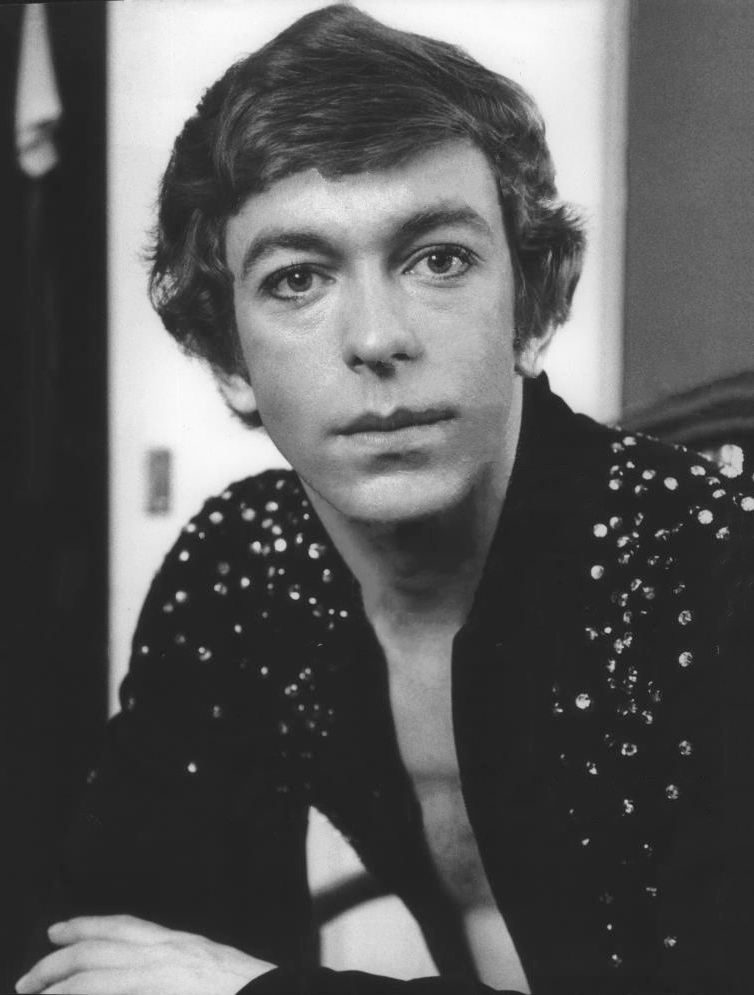
Toller Cranston
Toller Shalitoe Montague Cranston CM (April 20, 1949 – January 24, 2015) was a Canadian figure skater and painter. He won the 1971–1976 Canadian national championships, the 1974 World bronze medal and the 1976 Olympic bronze medal. Despite never winning at the World Figure Skating Championships due to his poor compulsory figures, he won the small medal for free skating at the 1972 and 1974 championships. Cranston is credited by many with having brought a new level of artistry to men's figure skating.
Cranston was born in Hamilton, Ontario, in 1949 and grew up in Kirkland Lake. When he was 11, his family moved to suburban Montreal. Growing up, Cranston had an uneasy relationship with his family, especially his mother, who was a painter and who he said had a domineering and self-centred personality. He later compared his childhood to "being in jail"; in school he had the habit of asking provocative questions that made his teachers think he was being disruptive. After high school, Cranston attended the École des beaux-arts de Montréal. By his third year, he became restless with his studies. One of his teachers suggested that there was nothing more he could learn at the school, so Cranston set out at that point to establish himself as a professional artist.
In 1976, he teamed up with personal manager Elva Oglanby to write his first book, Toller, a mixture of autobiography, sketches, poems, paintings, humour and tongue-in-cheek observations. It reached number two in the Canadian non-fiction charts. Cranston co-wrote the autobiographical Zero Tollerance (1997) with Martha Lowder Kimball, and a second volume, When Hell Freezes Over: Should I Bring My Skates? (2000), also with Kimball. Though he described a sexual tryst between himself and Ondrej Nepela in the second book as well as affairs with women, in his books he presents himself as having lived without forming strong romantic or emotional attachments.
After leaving the Ecole des Beaux Arts, Cranston became self-supporting as an artist, making enough money to cover his skating expenses. He held his first exhibition at his coach Ellen Burka's home in the spring of 1969. In November 1971, he had another successful one-man show in Toronto, the result of almost a year's work. Thereafter, he continued to have gallery and museum displays, with over 250 exhibitions around the world.
After an initial failed experience with ballet lessons, Cranston started skating at the age of 7, when his parents bought him hockey skates. He experimented on his own with trying to dance on the ice, and was only later told that what he was doing was called "figure skating". His mother was reluctant to allow him to pursue the sport seriously, but at the age of 11, he met Eva Vasak, who was impressed by his talent and offered to coach him for free. Vasak coached him for the next eight years.
When Cranston was 13, he developed Osgood–Schlatter disease and was initially told that he would never skate again. After eight weeks in a cast, he resumed training, and won the 1964 Canadian Junior Championship the next month. In the next few years, however, Cranston met with little success at the senior level. As he was dividing his attention with art school at this time, his physical conditioning was poor and he struggled to make it through his programs, which at that time were 5 minutes for senior men.
After failing to make the Canadian team for the 1968 Winter Olympics, Cranston struggled with motivation and lack of training discipline. His career turned a corner in the following season when he began to work with coach Ellen Burka in Toronto. Burka required him to do complete run-throughs of his entire program and his results began to improve: third at the Canadian championships in 1969, and second in 1970.
Cranston often came in first in his free skating programs, but his low placements in compulsory figures limited his overall scores and placements. As figure skating historian James R. Hines put it, Cranston was weak in compulsory figures, but his strength was the free skate. He was a clockwise spinner and jumper. He quickly gained a reputation as the most innovative and exciting artistic skater of his time, one of the first to emphasize use of the whole body to express the music as well as to execute skating moves in best form, to lie down while sliding down the ice and to wear elaborate costumes. He was particularly known for the quality and inventiveness of his spins, which were widely copied by other skaters. The quality of his precision landings and inventive choreography was topped by his combination jumps that included triple revolution jumps. Soon reports from competitions of this period began to mention younger skaters who had become "Tollerized" by attempting to copy Cranston's style, which was characterized by contrasting very stretched positions with a high free leg with more angular, bent-leg positions, and the incorporation of elements such as running toe steps and high kicks in step sequences. Many of his original spins included many changes of positions that seemed to defy gravity. His Russian split jump was "over split" which brought his skates up to shoulder height instead of waist height.
Toller Cranston
Toller Shalitoe Montague Cranston CM (April 20, 1949 – January 24, 2015) was a Canadian figure skater and painter. He won the 1971–1976 Canadian national championships, the 1974 World bronze medal and the 1976 Olympic bronze medal. Despite never winning at the World Figure Skating Championships due to his poor compulsory figures, he won the small medal for free skating at the 1972 and 1974 championships. Cranston is credited by many with having brought a new level of artistry to men's figure skating.
Cranston was born in Hamilton, Ontario, in 1949 and grew up in Kirkland Lake. When he was 11, his family moved to suburban Montreal. Growing up, Cranston had an uneasy relationship with his family, especially his mother, who was a painter and who he said had a domineering and self-centred personality. He later compared his childhood to "being in jail"; in school he had the habit of asking provocative questions that made his teachers think he was being disruptive. After high school, Cranston attended the École des beaux-arts de Montréal. By his third year, he became restless with his studies. One of his teachers suggested that there was nothing more he could learn at the school, so Cranston set out at that point to establish himself as a professional artist.
In 1976, he teamed up with personal manager Elva Oglanby to write his first book, Toller, a mixture of autobiography, sketches, poems, paintings, humour and tongue-in-cheek observations. It reached number two in the Canadian non-fiction charts. Cranston co-wrote the autobiographical Zero Tollerance (1997) with Martha Lowder Kimball, and a second volume, When Hell Freezes Over: Should I Bring My Skates? (2000), also with Kimball. Though he described a sexual tryst between himself and Ondrej Nepela in the second book as well as affairs with women, in his books he presents himself as having lived without forming strong romantic or emotional attachments.
After leaving the Ecole des Beaux Arts, Cranston became self-supporting as an artist, making enough money to cover his skating expenses. He held his first exhibition at his coach Ellen Burka's home in the spring of 1969. In November 1971, he had another successful one-man show in Toronto, the result of almost a year's work. Thereafter, he continued to have gallery and museum displays, with over 250 exhibitions around the world.
After an initial failed experience with ballet lessons, Cranston started skating at the age of 7, when his parents bought him hockey skates. He experimented on his own with trying to dance on the ice, and was only later told that what he was doing was called "figure skating". His mother was reluctant to allow him to pursue the sport seriously, but at the age of 11, he met Eva Vasak, who was impressed by his talent and offered to coach him for free. Vasak coached him for the next eight years.
When Cranston was 13, he developed Osgood–Schlatter disease and was initially told that he would never skate again. After eight weeks in a cast, he resumed training, and won the 1964 Canadian Junior Championship the next month. In the next few years, however, Cranston met with little success at the senior level. As he was dividing his attention with art school at this time, his physical conditioning was poor and he struggled to make it through his programs, which at that time were 5 minutes for senior men.
After failing to make the Canadian team for the 1968 Winter Olympics, Cranston struggled with motivation and lack of training discipline. His career turned a corner in the following season when he began to work with coach Ellen Burka in Toronto. Burka required him to do complete run-throughs of his entire program and his results began to improve: third at the Canadian championships in 1969, and second in 1970.
Cranston often came in first in his free skating programs, but his low placements in compulsory figures limited his overall scores and placements. As figure skating historian James R. Hines put it, Cranston was weak in compulsory figures, but his strength was the free skate. He was a clockwise spinner and jumper. He quickly gained a reputation as the most innovative and exciting artistic skater of his time, one of the first to emphasize use of the whole body to express the music as well as to execute skating moves in best form, to lie down while sliding down the ice and to wear elaborate costumes. He was particularly known for the quality and inventiveness of his spins, which were widely copied by other skaters. The quality of his precision landings and inventive choreography was topped by his combination jumps that included triple revolution jumps. Soon reports from competitions of this period began to mention younger skaters who had become "Tollerized" by attempting to copy Cranston's style, which was characterized by contrasting very stretched positions with a high free leg with more angular, bent-leg positions, and the incorporation of elements such as running toe steps and high kicks in step sequences. Many of his original spins included many changes of positions that seemed to defy gravity. His Russian split jump was "over split" which brought his skates up to shoulder height instead of waist height.
Recent media
Recent media