


Community hub
Recent from talks
Contribute something to knowledge base
Content stats: 0 posts, 0 articles, 1 media, 0 notes
Members stats: 0 subscribers, 0 contributors, 0 moderators, 0 supporters
Subscribers
Supporters
Contributors
Moderators
Hub AI
Toxic waste AI simulator
(@Toxic waste_simulator)
Hub AI
Toxic waste AI simulator
(@Toxic waste_simulator)
Toxic waste
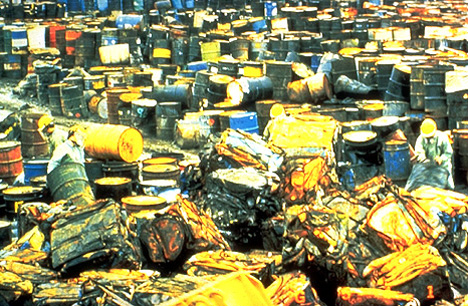
Toxic waste is any unwanted material in all forms that can cause harm (e.g. by being inhaled, swallowed, or absorbed through the skin). Mostly generated by industry, consumer products like televisions, computers, and phones contain toxic chemicals that can pollute the air and contaminate soil and water. Disposing of such waste is a major public health issue. Increased rates of cancer in humans and animals are linked to exposure to toxic chemicals. Toxic waste disposal is often seen as an environmental justice problem, as toxic waste is disproportionately dumped in or near marginalized communities.
Toxic materials are poisonous byproducts as a result of industries such as manufacturing, farming, construction, automotive, laboratories, and hospitals which may contain heavy metals, radiation, dangerous pathogens, or other toxins. Toxic waste has become more abundant since the Industrial Revolution, causing serious global issues. Disposing of such waste has become even more critical with the addition of numerous technological advances containing toxic chemical components. Products such as cellular telephones, computers, televisions, and solar panels contain toxic chemicals that can harm the environment if not disposed of properly to prevent air pollution and the contamination of soils and water. A material is considered toxic when it causes death or harm by being inhaled, swallowed, or absorbed through the skin.
The waste can contain chemicals, heavy metals, radiation, dangerous pathogens, or other toxins. Even households generate hazardous waste from items such as batteries, used computer equipment, and leftover paints or pesticides. Toxic material can be either human-made and others are naturally occurring in the environment. Not all hazardous substances are considered toxic.
The United Nations Environment Programme (UNEP) has identified 11 key substances that pose a risk to human health:
Toxic waste can be reactive, ignitable, and corrosive. In the United States, these wastes are regulated under the Resource Conservation and Recovery Act (RCRA).
With the increase of worldwide technology, there are more substances that are considered toxic and harmful to human health. Technology growth at this rate is extremely daunting for civilization and can eventually lead to more harm/negative outcomes. Some of this technology includes cell phones and computers. Such items have been given the name e-waste or EEE, which stands for Electrical and Electronic Equipment. This term is also used for goods such as refrigerators, toys, and washing machines. These items can contain toxic components that can break down into water systems when discarded. The reduction in the cost of these goods has allowed for these items to be distributed globally without thought or consideration to managing the goods once they become ineffective or broken.
In the US, the Environmental Protection Agency (EPA) and state environmental agencies develop and enforce regulations on the storage, treatment, and disposal of hazardous waste. The EPA requires that toxic waste be handled with special precautions, and be disposed of in designated facilities around the country. Also, many US cities have collection days where household toxic waste is gathered. Some materials that may not be accepted at regular landfills are ammunition, commercially generated waste, explosives/shock sensitive items, hypodermic needles/syringes, medical waste, radioactive materials, and smoke detectors.
Household products can be identified by warning labels that may include the storage or disposal of certain products. Within an average US household, there are approximately 15.5 pounds of hazardous material disposed of each year. To reduce a household's toxic waste, the New Hampshire Department of Environmental Services recommends that consumers be more cautious when buying products and try to avoid those with warning labels. Furthermore, following safe storage procedures and always working cautiously when using chemical-filled household products.
Toxic waste
Toxic waste is any unwanted material in all forms that can cause harm (e.g. by being inhaled, swallowed, or absorbed through the skin). Mostly generated by industry, consumer products like televisions, computers, and phones contain toxic chemicals that can pollute the air and contaminate soil and water. Disposing of such waste is a major public health issue. Increased rates of cancer in humans and animals are linked to exposure to toxic chemicals. Toxic waste disposal is often seen as an environmental justice problem, as toxic waste is disproportionately dumped in or near marginalized communities.
Toxic materials are poisonous byproducts as a result of industries such as manufacturing, farming, construction, automotive, laboratories, and hospitals which may contain heavy metals, radiation, dangerous pathogens, or other toxins. Toxic waste has become more abundant since the Industrial Revolution, causing serious global issues. Disposing of such waste has become even more critical with the addition of numerous technological advances containing toxic chemical components. Products such as cellular telephones, computers, televisions, and solar panels contain toxic chemicals that can harm the environment if not disposed of properly to prevent air pollution and the contamination of soils and water. A material is considered toxic when it causes death or harm by being inhaled, swallowed, or absorbed through the skin.
The waste can contain chemicals, heavy metals, radiation, dangerous pathogens, or other toxins. Even households generate hazardous waste from items such as batteries, used computer equipment, and leftover paints or pesticides. Toxic material can be either human-made and others are naturally occurring in the environment. Not all hazardous substances are considered toxic.
The United Nations Environment Programme (UNEP) has identified 11 key substances that pose a risk to human health:
Toxic waste can be reactive, ignitable, and corrosive. In the United States, these wastes are regulated under the Resource Conservation and Recovery Act (RCRA).
With the increase of worldwide technology, there are more substances that are considered toxic and harmful to human health. Technology growth at this rate is extremely daunting for civilization and can eventually lead to more harm/negative outcomes. Some of this technology includes cell phones and computers. Such items have been given the name e-waste or EEE, which stands for Electrical and Electronic Equipment. This term is also used for goods such as refrigerators, toys, and washing machines. These items can contain toxic components that can break down into water systems when discarded. The reduction in the cost of these goods has allowed for these items to be distributed globally without thought or consideration to managing the goods once they become ineffective or broken.
In the US, the Environmental Protection Agency (EPA) and state environmental agencies develop and enforce regulations on the storage, treatment, and disposal of hazardous waste. The EPA requires that toxic waste be handled with special precautions, and be disposed of in designated facilities around the country. Also, many US cities have collection days where household toxic waste is gathered. Some materials that may not be accepted at regular landfills are ammunition, commercially generated waste, explosives/shock sensitive items, hypodermic needles/syringes, medical waste, radioactive materials, and smoke detectors.
Household products can be identified by warning labels that may include the storage or disposal of certain products. Within an average US household, there are approximately 15.5 pounds of hazardous material disposed of each year. To reduce a household's toxic waste, the New Hampshire Department of Environmental Services recommends that consumers be more cautious when buying products and try to avoid those with warning labels. Furthermore, following safe storage procedures and always working cautiously when using chemical-filled household products.
Recent media
Recent media