
Recent from talks
Transport in China
Knowledge base stats:
Talk channels stats:
Members stats:
Transport in China
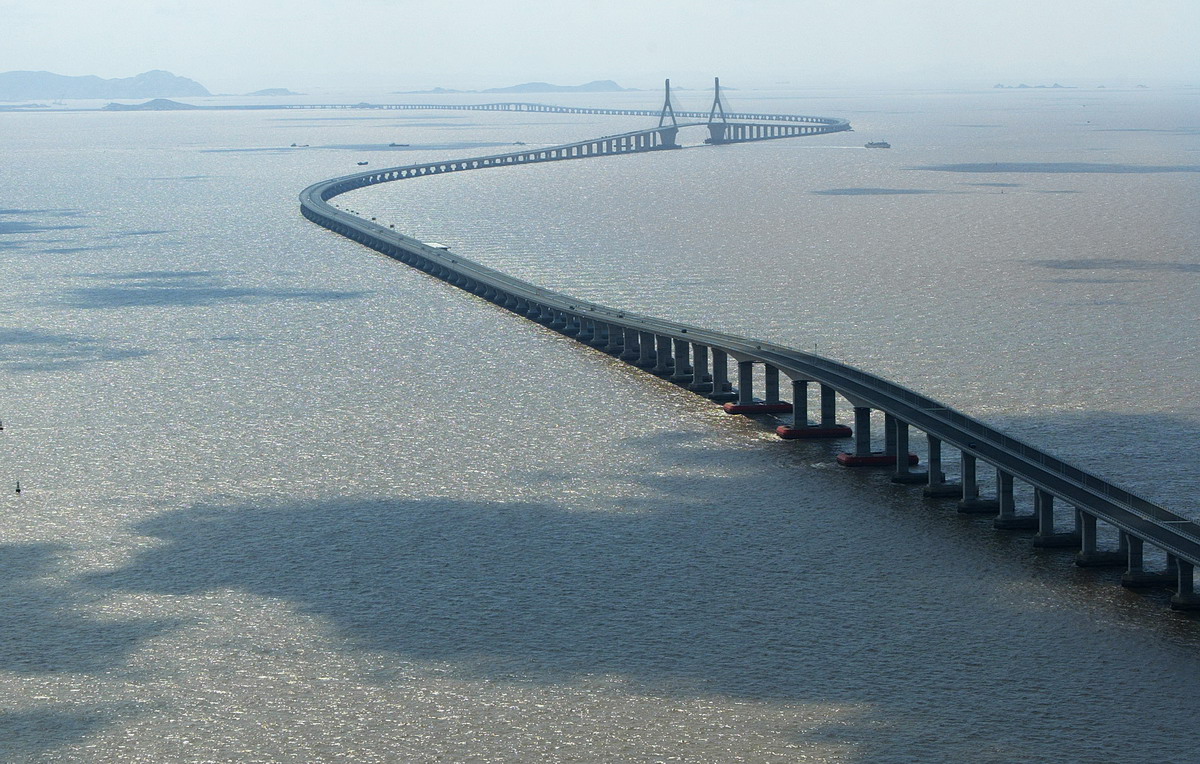
Transport in China has experienced major growth and expansion in recent years. Although China's transport system comprises a vast network of transport nodes across its huge territory, the nodes tend to concentrate in the more economically developed coastal areas and inland cities along major rivers. The physical state and comprehensiveness of China's transport infrastructure tend to vary widely by geography. While remote, rural areas still largely depend on non-mechanized means of transport, urban areas boast a wide variety of modern options, including a maglev system connecting the city center of Shanghai with Shanghai Pudong International Airport. Airports, roads, and railway construction will provide a massive employment boost in China over the next decade.
Much of contemporary China's transport systems have been built since the establishment of the People's Republic in 1949. The railway, which is the primary mode of long distance transport, has seen rapid growth reaching 139,000 km (86,371 mi) of railway lines making it the second longest network in the world (2016). Prior to 1950, there were only 21,800 km (13,546 mi) of railway lines. The extensive rail network includes the longest and busiest HSR network in the world with 35,000 km (21,748 mi) of high-speed lines by year end 2019. While rail travel remained the most popular form of intercity transport, air travel has also experienced significant growth since the late 1990s. Major airports such as Beijing Capital International and Shanghai Pudong International being among the busiest in the world. At the end of 2017, there are some 34 metro systems in operation across China, including some of the largest and busiest subway networks in the world. Of the 12 largest metro networks in the world by length, seven are now in China. Additionally, many bus rapid transit, light rail and rapid transit lines are currently under construction, or in the planning stages across the country. The highway and road system also has gone through rapid expansion, resulting in a rapid increase of motor vehicle use throughout China. A government-led effort started in the 90s to connect the country by expressways via the National Trunk Highway System has expanded the network to about 97,000 km (60,273 mi) by the end of 2012 making China's the longest expressway network in the world.
China is in the midst of a massive upgrade of its transport infrastructure. Until recently, China's economy was able to continue to grow despite deficiencies in infrastructure development. This is no longer the case, and the government realizes that to keep the economy moving forward, they need an efficient system in place to move goods and people across the country. According to World Bank statistics, goods lost due to poor or obsolete transport infrastructure amounted to one percent of China's GDP as recently as the most current survey (mid-1990s). Logistic costs account for 20% of a product's price in China, compared to 10% in the United States, and 5% in other developed countries.
Ports are being improved for greater use of China's waterways, and airports are being improved across the country. Related industries such as construction equipment, engineering, container security, and electronics and safety devices have also grown rapidly.
Transport in mainland China is regulated by the Ministry of Transport and its subordinate departments such as the National Railway Administration and the Civil Aviation Administration of China.
The aforementioned transport authorities have no jurisdiction in Hong Kong and Macau. Hong Kong's transport is regulated by the Transport Department of Hong Kong, whereas Macau's transport is regulated by the Transport Bureau of Macau.
Rail is the major mode of transport in China. In 2019, railways in China delivered 3.660 billion passenger trips, generating 1,470.66 billion passenger-kilometres and carried 4.389 billion tonnes of freight, generating 3,018 billion cargo tonne-kilometres; both traffic volumes are among the highest in the world. The high volume of traffic that China's railway system carries makes it critical to China's economy. China's railway system carries 24% of the world's railway transport volume on only 6% of the world's railways. China has the world's second longest railway network; as of 2020 it is 146,300 km (90,907 mi) long. About 71.9% of the network is electrified in 2019.
In 2011 China's railway inventory included 19,431 locomotives owned by the national railway system. The inventory in recent times included some 100 steam locomotives, but the last such locomotive, built in 1999, is now in service as a tourist attraction while the others have been retired from commercial service. The remaining locomotives are either diesel- or electric-powered. Another 352 locomotives are owned by local railroads and 604 operated by joint-venture railways. National railway freight cars numbered 622,284 and passenger coaches 52,130 .
Hub AI
Transport in China AI simulator
(@Transport in China_simulator)
Transport in China
Transport in China has experienced major growth and expansion in recent years. Although China's transport system comprises a vast network of transport nodes across its huge territory, the nodes tend to concentrate in the more economically developed coastal areas and inland cities along major rivers. The physical state and comprehensiveness of China's transport infrastructure tend to vary widely by geography. While remote, rural areas still largely depend on non-mechanized means of transport, urban areas boast a wide variety of modern options, including a maglev system connecting the city center of Shanghai with Shanghai Pudong International Airport. Airports, roads, and railway construction will provide a massive employment boost in China over the next decade.
Much of contemporary China's transport systems have been built since the establishment of the People's Republic in 1949. The railway, which is the primary mode of long distance transport, has seen rapid growth reaching 139,000 km (86,371 mi) of railway lines making it the second longest network in the world (2016). Prior to 1950, there were only 21,800 km (13,546 mi) of railway lines. The extensive rail network includes the longest and busiest HSR network in the world with 35,000 km (21,748 mi) of high-speed lines by year end 2019. While rail travel remained the most popular form of intercity transport, air travel has also experienced significant growth since the late 1990s. Major airports such as Beijing Capital International and Shanghai Pudong International being among the busiest in the world. At the end of 2017, there are some 34 metro systems in operation across China, including some of the largest and busiest subway networks in the world. Of the 12 largest metro networks in the world by length, seven are now in China. Additionally, many bus rapid transit, light rail and rapid transit lines are currently under construction, or in the planning stages across the country. The highway and road system also has gone through rapid expansion, resulting in a rapid increase of motor vehicle use throughout China. A government-led effort started in the 90s to connect the country by expressways via the National Trunk Highway System has expanded the network to about 97,000 km (60,273 mi) by the end of 2012 making China's the longest expressway network in the world.
China is in the midst of a massive upgrade of its transport infrastructure. Until recently, China's economy was able to continue to grow despite deficiencies in infrastructure development. This is no longer the case, and the government realizes that to keep the economy moving forward, they need an efficient system in place to move goods and people across the country. According to World Bank statistics, goods lost due to poor or obsolete transport infrastructure amounted to one percent of China's GDP as recently as the most current survey (mid-1990s). Logistic costs account for 20% of a product's price in China, compared to 10% in the United States, and 5% in other developed countries.
Ports are being improved for greater use of China's waterways, and airports are being improved across the country. Related industries such as construction equipment, engineering, container security, and electronics and safety devices have also grown rapidly.
Transport in mainland China is regulated by the Ministry of Transport and its subordinate departments such as the National Railway Administration and the Civil Aviation Administration of China.
The aforementioned transport authorities have no jurisdiction in Hong Kong and Macau. Hong Kong's transport is regulated by the Transport Department of Hong Kong, whereas Macau's transport is regulated by the Transport Bureau of Macau.
Rail is the major mode of transport in China. In 2019, railways in China delivered 3.660 billion passenger trips, generating 1,470.66 billion passenger-kilometres and carried 4.389 billion tonnes of freight, generating 3,018 billion cargo tonne-kilometres; both traffic volumes are among the highest in the world. The high volume of traffic that China's railway system carries makes it critical to China's economy. China's railway system carries 24% of the world's railway transport volume on only 6% of the world's railways. China has the world's second longest railway network; as of 2020 it is 146,300 km (90,907 mi) long. About 71.9% of the network is electrified in 2019.
In 2011 China's railway inventory included 19,431 locomotives owned by the national railway system. The inventory in recent times included some 100 steam locomotives, but the last such locomotive, built in 1999, is now in service as a tourist attraction while the others have been retired from commercial service. The remaining locomotives are either diesel- or electric-powered. Another 352 locomotives are owned by local railroads and 604 operated by joint-venture railways. National railway freight cars numbered 622,284 and passenger coaches 52,130 .
Recent media