Main page

Community Hub0 subscribers
All channels
Be the first to start a discussion here.
Be the first to start a discussion here.
U-matic
Community hubMore about hub
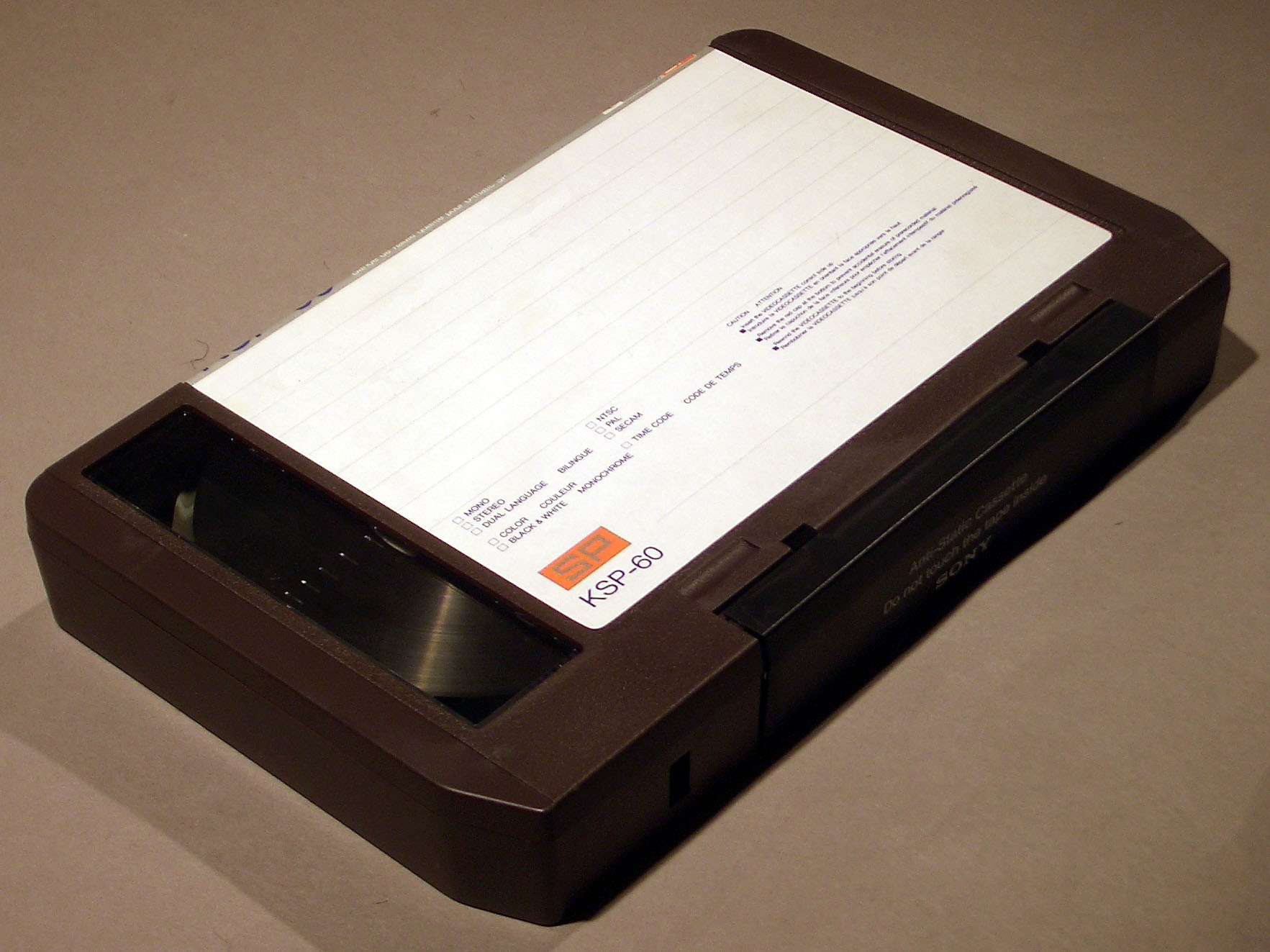
Welcome to the community hub for U-matic. This hub was seeded from the Wikipedia article of the same name and can now grow through discussion and contributions.
Knowledge base stats:
0 Articles2 Media pages1 Notes pages0 Days in Chronicle1 Media0 Notes
Talk channels stats:
4 Forum channels0 Posts1 Chat channels0 Messages
Members stats:
0 Subscribers0 Contributors0 Supporters0 Moderators
No popular questions yet

Knowledge base contributor
@Knowledge_base_contributor
Talk channels moderator
@Talk_channels_moderator
Chronicle maintainer
@Chronicle_maintainer
Knowledge base stats:
0 Articles2 Media pages1 Notes pages0 Days in Chronicle1 Media0 Notes
Talk channels stats:
4 Forum channels0 Posts1 Chat channels0 Messages
Members stats:
0 Subscribers0 Contributors0 Supporters0 Moderators
No popular questions yet
Knowledge base contributor
@Knowledge_base_contributor
Talk channels moderator
@Talk_channels_moderator
Chronicle maintainer
@Chronicle_maintainer
Recent media
U-matic
Community hubWelcome to the community hub for U-matic. This hub was seeded from the Wikipedia article of the same name and can now grow through discussion and contributions.
More about hubKnowledge base stats:
0 Articles2 Media pages1 Notes pages0 Days in Chronicle1 Media0 Notes
Talk channels stats:
4 Forum channels0 Posts1 Chat channels0 Messages
Members stats:
0 Subscribers0 Contributors0 Supporters0 Moderators
No popular questions yet
Knowledge base contributor
@Knowledge_base_contributor
Talk channels moderator
@Talk_channels_moderator
Chronicle maintainer
@Chronicle_maintainer