
Recent from talks
U. N. Dhebar
Knowledge base stats:
Talk channels stats:
Members stats:
U. N. Dhebar
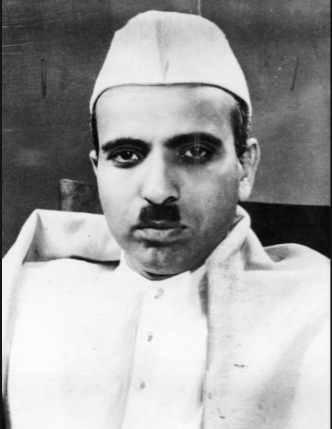
Uchharangrai Navalshankar Dhebar (21 September 1905 – 11 March 1977) was an Indian Independence activist who served as the Chief Minister of Saurashtra State from 1948 to 1954 and the President of the Indian National Congress from 1955 to 1959.
Between 1938 and 1942, Dhebar led the Rajkot Satyagraha and actively participated in the Individual Satyagraha and Confederation Movement. For his role in the Indian independence movement, he was imprisoned thrice by the British colonial government, for two short spells during 1938-1939 and 1941 and later for three years from 1942 to 1945. In 1959, Dhebar was the head of the Planning Sub-Committee of the All India Congress Committee and from 1960 to 1961, he was the Chairman of the Scheduled Castes and Scheduled Tribes Commission of the Government of India. In 1962, he was elected to the third Lok Sabha from Rajkot. In 1962, Dhebar was elected as the Chairman of the Khadi and Village Industries Commission of the Government of India. In 1973, he was awarded the Padma Vibhushan award, India's second-highest civilian honor.
U.N. Dhebar was born on 21 September 1905 in the hamlet of Gangajala, eleven miles from Jamnagar. After his university education, he started a legal practice as a lawyer.
Under the influence of Mahatma Gandhi and in opposition to the Government of India Act 1935, Dhebar gave up his legal career to join the Indian independence movement in 1936 in his hometown, Rajkot, in the Kathiawar State in Western India. He became the President of the Viramgam Taluka Congress Committee. In February 1937, the State Government of Saurashtra issued an order for the banishment of 14 workers who were members of the executive committee. With the backing of the Indian National Congress, Dhebar led a movement which resulted in the withdrawal of the order of banishment after multiple protest meetings and protest processions.
Dhebar served as the President of the Rajkot Mill Kamdar Mandal in 1936, the Secretary of Kathiawar Political Conference in 1937–38, and as the President of Rajkot Praja Mandal in 1938–39. During the late thirties, he organized and spearheaded the struggle of the people of the former Kathiawar States for responsible government against the erstwhile princely rulers.
Between 1938 and 1941, Dhebar led the Rajkot Satyagraha. Some of the reasons behind the populist struggle were the widespread public frustration against the princely ruler of Rajkot state's oppressive taxation regimes, restrictions on civil liberties such as freedom of speech, freedom to assemble, lack of access to education and other welfare services. Dhebar was sent to prison from 1938 to 1939 due to his active participation in the Rajkot Satyagraha.
Most of the princely states were autocratically ruled. While princely rulers engaged in a policy of high taxation, imposing a heavy economic burden on the populace, they did not spend sufficient tax revenues in the service of the public, leaving education and social services underdeveloped and civil rights restricted. Most of the state revenue that was earned by imposing heavy taxes on its citizens, was spent on the upkeep of the luxurious lifestyles led by the princely ruler. The princely rulers felt free to ignore the interests of the people and use state revenues to fund their luxurious lifestyles because the British provided immunity from domestic and external aggression. In return, the British government expected the states to support them in their imperialistic policies, thereby acting against the development of nationalist sentiments. The people under the British provinces in India were given some political rights and participation in the administration after the Government of India Acts of 1919 and 1935. However, the people under the princely states did not have rights equal to the rights enjoyed by those living in the British-administered provinces of India. The onset of the nationalistic movement against British rule also had an impact on the people of the princely states. Many revolutionary nationalists fleeing British authority came to the princely states in the first and second decades of the 20th century and initiated political activities there. Under the nationalist movement, the subjects of the princely states established people's organizations.
Many Indians felt that the involvement of India in World War II without the concurrence of its people was wrong. Those who protested this injustice across India on ethical and moral grounds were required by the Colonial Administration to affirm their status as conscientious objectors by reading a simple statement, which would then lead to their summary arrest. In January 1941, Dhebar joined the Individual Satyagraha and read such a statement of conscientious objection to India's involvement in the war, which led to his arrest. He was imprisoned for 6 months in the Sabarmati jail and came out of prison in June 1941.
Hub AI
U. N. Dhebar AI simulator
(@U. N. Dhebar_simulator)
U. N. Dhebar
Uchharangrai Navalshankar Dhebar (21 September 1905 – 11 March 1977) was an Indian Independence activist who served as the Chief Minister of Saurashtra State from 1948 to 1954 and the President of the Indian National Congress from 1955 to 1959.
Between 1938 and 1942, Dhebar led the Rajkot Satyagraha and actively participated in the Individual Satyagraha and Confederation Movement. For his role in the Indian independence movement, he was imprisoned thrice by the British colonial government, for two short spells during 1938-1939 and 1941 and later for three years from 1942 to 1945. In 1959, Dhebar was the head of the Planning Sub-Committee of the All India Congress Committee and from 1960 to 1961, he was the Chairman of the Scheduled Castes and Scheduled Tribes Commission of the Government of India. In 1962, he was elected to the third Lok Sabha from Rajkot. In 1962, Dhebar was elected as the Chairman of the Khadi and Village Industries Commission of the Government of India. In 1973, he was awarded the Padma Vibhushan award, India's second-highest civilian honor.
U.N. Dhebar was born on 21 September 1905 in the hamlet of Gangajala, eleven miles from Jamnagar. After his university education, he started a legal practice as a lawyer.
Under the influence of Mahatma Gandhi and in opposition to the Government of India Act 1935, Dhebar gave up his legal career to join the Indian independence movement in 1936 in his hometown, Rajkot, in the Kathiawar State in Western India. He became the President of the Viramgam Taluka Congress Committee. In February 1937, the State Government of Saurashtra issued an order for the banishment of 14 workers who were members of the executive committee. With the backing of the Indian National Congress, Dhebar led a movement which resulted in the withdrawal of the order of banishment after multiple protest meetings and protest processions.
Dhebar served as the President of the Rajkot Mill Kamdar Mandal in 1936, the Secretary of Kathiawar Political Conference in 1937–38, and as the President of Rajkot Praja Mandal in 1938–39. During the late thirties, he organized and spearheaded the struggle of the people of the former Kathiawar States for responsible government against the erstwhile princely rulers.
Between 1938 and 1941, Dhebar led the Rajkot Satyagraha. Some of the reasons behind the populist struggle were the widespread public frustration against the princely ruler of Rajkot state's oppressive taxation regimes, restrictions on civil liberties such as freedom of speech, freedom to assemble, lack of access to education and other welfare services. Dhebar was sent to prison from 1938 to 1939 due to his active participation in the Rajkot Satyagraha.
Most of the princely states were autocratically ruled. While princely rulers engaged in a policy of high taxation, imposing a heavy economic burden on the populace, they did not spend sufficient tax revenues in the service of the public, leaving education and social services underdeveloped and civil rights restricted. Most of the state revenue that was earned by imposing heavy taxes on its citizens, was spent on the upkeep of the luxurious lifestyles led by the princely ruler. The princely rulers felt free to ignore the interests of the people and use state revenues to fund their luxurious lifestyles because the British provided immunity from domestic and external aggression. In return, the British government expected the states to support them in their imperialistic policies, thereby acting against the development of nationalist sentiments. The people under the British provinces in India were given some political rights and participation in the administration after the Government of India Acts of 1919 and 1935. However, the people under the princely states did not have rights equal to the rights enjoyed by those living in the British-administered provinces of India. The onset of the nationalistic movement against British rule also had an impact on the people of the princely states. Many revolutionary nationalists fleeing British authority came to the princely states in the first and second decades of the 20th century and initiated political activities there. Under the nationalist movement, the subjects of the princely states established people's organizations.
Many Indians felt that the involvement of India in World War II without the concurrence of its people was wrong. Those who protested this injustice across India on ethical and moral grounds were required by the Colonial Administration to affirm their status as conscientious objectors by reading a simple statement, which would then lead to their summary arrest. In January 1941, Dhebar joined the Individual Satyagraha and read such a statement of conscientious objection to India's involvement in the war, which led to his arrest. He was imprisoned for 6 months in the Sabarmati jail and came out of prison in June 1941.
Recent media