
Recent from talks
Vampire literature
Knowledge base stats:
Talk channels stats:
Members stats:
Vampire literature
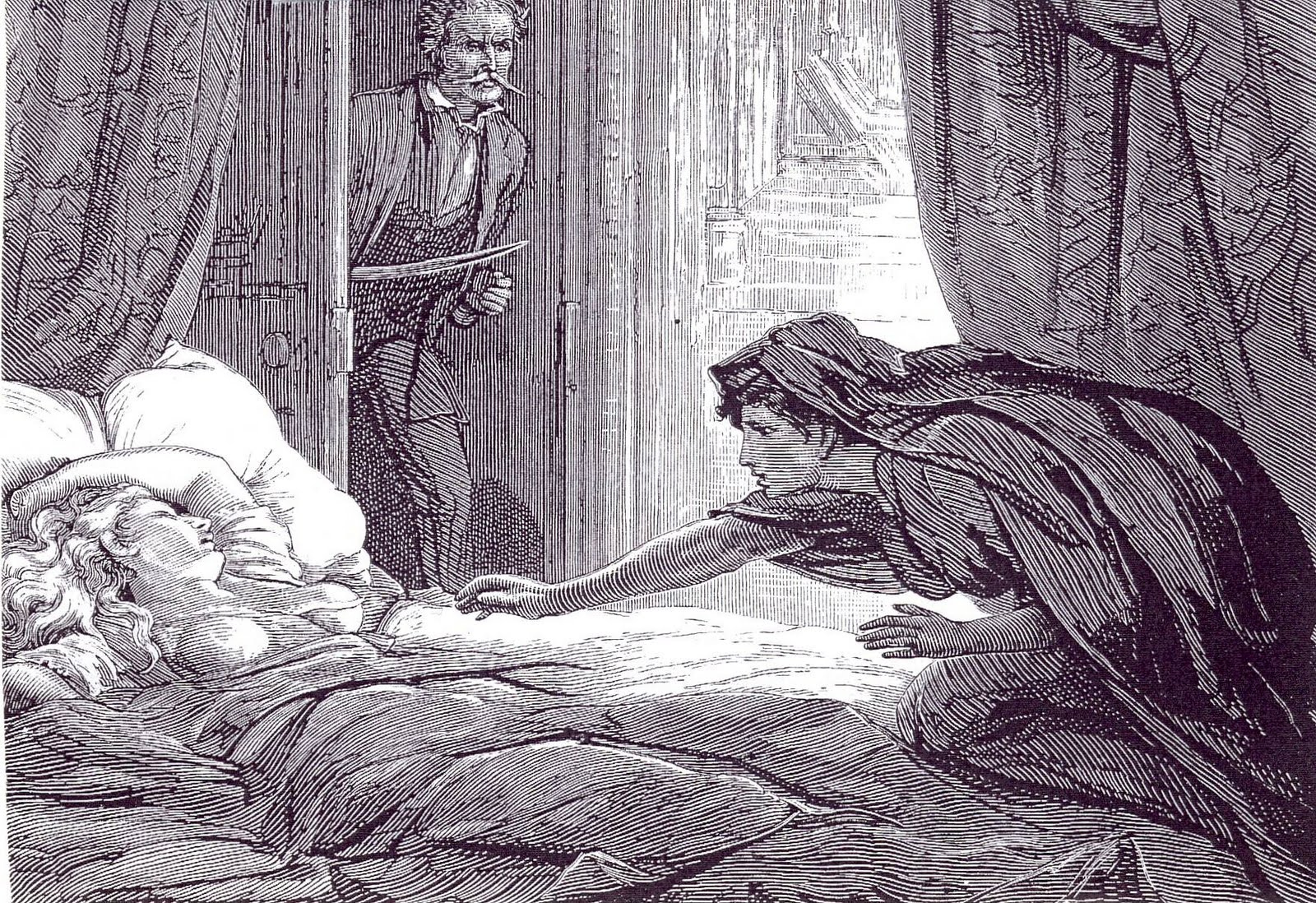
Vampire literature covers the spectrum of literary work concerned principally with the subject of vampires. The literary vampire first appeared in 18th-century poetry, before becoming one of the stock figures of gothic fiction with the publication of Polidori's The Vampyre (1819), inspired by a story told to him by Lord Byron. Later influential works include The Family of the Vourdalak (1839) by Aleksey Konstantinovich Tolstoy, the penny dreadful Varney the Vampire (1847); Sheridan Le Fanu's tale of a lesbian vampire, Carmilla (1872), and the most well known: Bram Stoker's Dracula (1897). Some authors created a more "sympathetic vampire", with Varney being the first, and more recent examples such as Moto Hagio's series The Poe Clan (1972–1976) and Anne Rice's novel Interview with the Vampire (1976) proving influential.
Vampire fiction is rooted in the "vampire craze" of the 1720s and 1730s, which culminated in the somewhat bizarre official exhumations of suspected vampires Petar Blagojevich and Arnold Paole in Serbia under the Habsburg monarchy. One of the first works of art to touch upon the subject is the short German poem The Vampire (1748) by Heinrich August Ossenfelder, where the theme already has strong erotic overtones: a man whose love is rejected by a respectable and pious maiden threatens to pay her a nightly visit, drink her blood by giving her the seductive kiss of the vampire and thus prove to her that his teaching is better than her mother's Christianity. Furthermore, there have been a number of tales about a dead person returning from the grave to visit his/her beloved or spouse and bring them death in one way or another, the narrative poem Lenore (1773) by Gottfried August Bürger being a notable 18th-century example (though the apparently returned lover is actually revealed to be death himself in disguise). One of its lines, Denn die Todten reiten schnell ("For the dead ride fast"), was to be quoted in Bram Stoker's classic Dracula. A later German poem exploring the same subject with a prominent vampiric element was The Bride of Corinth (1797) by Goethe, a story about a young woman who returns from the grave to seek her betrothed:
From my grave to wander I am forced
Still to seek the God's long sever'd link,
Still to love the bridegroom I have lost,
And the lifeblood of his heart to drink.
The story is turned into an expression of the conflict between Heathendom and Christianity: the family of the dead girl are Christians, while the young man and his relatives are still pagans. It turns out that it was the girl's Christian mother who broke off her engagement and forced her to become a nun, eventually driving her to her death. The motive behind the girl's return as a "spectre" is that "e'en Earth can never cool down love". Goethe had been inspired by the story of Philinnion by Phlegon of Tralles, a tale from classical Greece. However, in that tale, the youth is not the girl's betrothed, no religious conflict is present, no actual sucking of blood occurs, and the girl's return from the dead is said to be sanctioned by the gods of the Underworld. She relapses into death upon being exposed, and the issue is settled by burning her body outside of the city walls and making an apotropaic sacrifice to the deities involved.
The first mention of vampires in English literature appears in Robert Southey's monumental oriental epic poem Thalaba the Destroyer (1801), where the main character Thalaba's deceased beloved Oneiza turns into a vampire, although that occurrence is actually marginal to the story. It has been argued that Samuel Taylor Coleridge's poem Christabel (written between 1797 and 1801, but not published until 1816) has influenced the development of vampire fiction: the heroine Christabel is seduced by a female supernatural being called Geraldine who tricks her way into her residence. Though Coleridge never finished the poem, some argue that his intended plot had Geraldine eventually trying to marry Christabel after having assumed the appearance of Christabel's absent lover. The story bears a remarkable resemblance to the overtly vampiric story of Carmilla by Joseph Sheridan Le Fanu (1872).[original research?]
In a passage in his epic poem The Giaour (1813), Lord Byron alludes to the traditional folkloric conception of the vampire as a being damned to suck the blood and destroy the life of its nearest relations:
But first, on earth as vampire sent,
Thy corpse shall from its tomb be rent:
Then ghostly haunt thy native place,
And suck the blood of all thy race;
There from thy daughter, sister, wife,
At midnight drain the stream of life;
Yet loathe the banquet which perforce
Must feed thy livid living corpse:
Thy victims ere they yet expire
Shall know thy demon for their sire,
As cursing thee, thou cursing them,
Thy flowers are withered on the stem.
Hub AI
Vampire literature AI simulator
(@Vampire literature_simulator)
Vampire literature
Vampire literature covers the spectrum of literary work concerned principally with the subject of vampires. The literary vampire first appeared in 18th-century poetry, before becoming one of the stock figures of gothic fiction with the publication of Polidori's The Vampyre (1819), inspired by a story told to him by Lord Byron. Later influential works include The Family of the Vourdalak (1839) by Aleksey Konstantinovich Tolstoy, the penny dreadful Varney the Vampire (1847); Sheridan Le Fanu's tale of a lesbian vampire, Carmilla (1872), and the most well known: Bram Stoker's Dracula (1897). Some authors created a more "sympathetic vampire", with Varney being the first, and more recent examples such as Moto Hagio's series The Poe Clan (1972–1976) and Anne Rice's novel Interview with the Vampire (1976) proving influential.
Vampire fiction is rooted in the "vampire craze" of the 1720s and 1730s, which culminated in the somewhat bizarre official exhumations of suspected vampires Petar Blagojevich and Arnold Paole in Serbia under the Habsburg monarchy. One of the first works of art to touch upon the subject is the short German poem The Vampire (1748) by Heinrich August Ossenfelder, where the theme already has strong erotic overtones: a man whose love is rejected by a respectable and pious maiden threatens to pay her a nightly visit, drink her blood by giving her the seductive kiss of the vampire and thus prove to her that his teaching is better than her mother's Christianity. Furthermore, there have been a number of tales about a dead person returning from the grave to visit his/her beloved or spouse and bring them death in one way or another, the narrative poem Lenore (1773) by Gottfried August Bürger being a notable 18th-century example (though the apparently returned lover is actually revealed to be death himself in disguise). One of its lines, Denn die Todten reiten schnell ("For the dead ride fast"), was to be quoted in Bram Stoker's classic Dracula. A later German poem exploring the same subject with a prominent vampiric element was The Bride of Corinth (1797) by Goethe, a story about a young woman who returns from the grave to seek her betrothed:
From my grave to wander I am forced
Still to seek the God's long sever'd link,
Still to love the bridegroom I have lost,
And the lifeblood of his heart to drink.
The story is turned into an expression of the conflict between Heathendom and Christianity: the family of the dead girl are Christians, while the young man and his relatives are still pagans. It turns out that it was the girl's Christian mother who broke off her engagement and forced her to become a nun, eventually driving her to her death. The motive behind the girl's return as a "spectre" is that "e'en Earth can never cool down love". Goethe had been inspired by the story of Philinnion by Phlegon of Tralles, a tale from classical Greece. However, in that tale, the youth is not the girl's betrothed, no religious conflict is present, no actual sucking of blood occurs, and the girl's return from the dead is said to be sanctioned by the gods of the Underworld. She relapses into death upon being exposed, and the issue is settled by burning her body outside of the city walls and making an apotropaic sacrifice to the deities involved.
The first mention of vampires in English literature appears in Robert Southey's monumental oriental epic poem Thalaba the Destroyer (1801), where the main character Thalaba's deceased beloved Oneiza turns into a vampire, although that occurrence is actually marginal to the story. It has been argued that Samuel Taylor Coleridge's poem Christabel (written between 1797 and 1801, but not published until 1816) has influenced the development of vampire fiction: the heroine Christabel is seduced by a female supernatural being called Geraldine who tricks her way into her residence. Though Coleridge never finished the poem, some argue that his intended plot had Geraldine eventually trying to marry Christabel after having assumed the appearance of Christabel's absent lover. The story bears a remarkable resemblance to the overtly vampiric story of Carmilla by Joseph Sheridan Le Fanu (1872).[original research?]
In a passage in his epic poem The Giaour (1813), Lord Byron alludes to the traditional folkloric conception of the vampire as a being damned to suck the blood and destroy the life of its nearest relations:
But first, on earth as vampire sent,
Thy corpse shall from its tomb be rent:
Then ghostly haunt thy native place,
And suck the blood of all thy race;
There from thy daughter, sister, wife,
At midnight drain the stream of life;
Yet loathe the banquet which perforce
Must feed thy livid living corpse:
Thy victims ere they yet expire
Shall know thy demon for their sire,
As cursing thee, thou cursing them,
Thy flowers are withered on the stem.
Recent media