
Recent from talks
Versova, Mumbai
Knowledge base stats:
Talk channels stats:
Members stats:
Versova, Mumbai
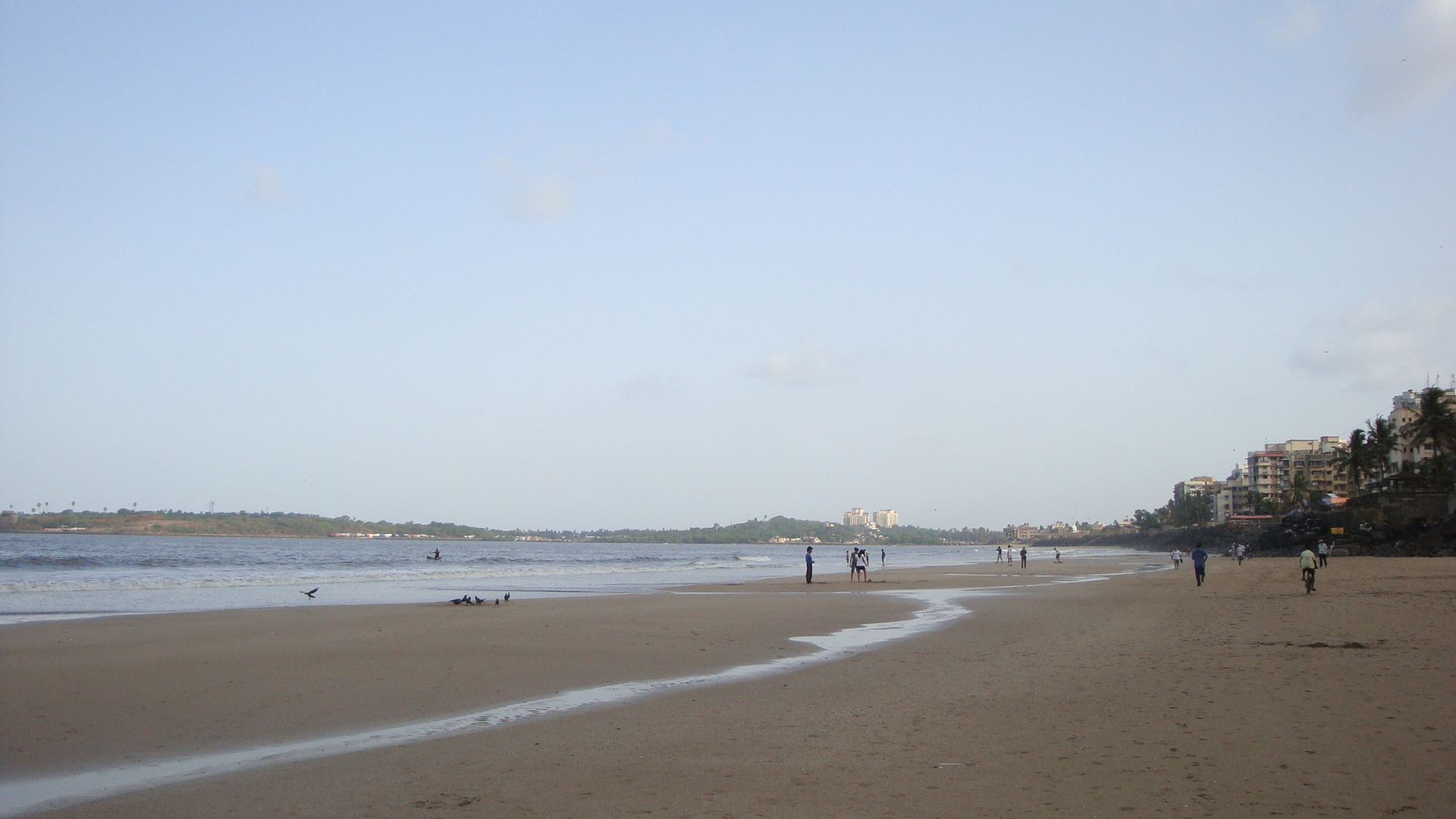
Versova (ISO: Varsovā, pronounced [ʋəɾsoːʋaː]) is an upmarket neighborhood in north-western Mumbai. It is known for its beach and the Versova Fort. The beach of Versova undertook a massive clean-up effort in 2016, labeled as the largest-ever beach clean-up.
Versova, originally named Vesave, is a small fishing village of the Kolis, situated to the north of the old Mumbai city. Britain used to call this vis-a-vis, and locals gave it the name Visava.
The original name of the village is "Visava", which derives from the Marathi word for "rest" (as in resting place).[citation needed] Later, it was pronounced as "Vesava". The village is mentioned in the writings of Gemelli Careri in 1695.
Versova came under the Portuguese rule in the late medieval period. The Portuguese constructed the Our Lady of Health Church in Versova, and a number of Kolis were converted to Christianity during this period. By 1720, it had emerged as a small town, with a small fort and a growing trade in dry fish. In 1739, the Portuguese lost the area to the Marathas, who strengthened the fort. A British force led by Lieutenant-Colonel Henry Keating defeated the Marathas in 1774.
In 1800, the British established a training facility for artillery and engineering cadets. However, the facility was moved to the old Bombay city after a fever epidemic affected nearly all the cadets, and killed many of them. The military establishment was completely removed in 1818. In 1875–86, the exports from the trade amounted to £34,403 and the imports in 1876–77 were worth £14,784.
Administratively, Versova (as "Varsova") is still a village in the Andheri taluka of the Mumbai Suburban district. Much of the Versova is now an urban locality, but the original settlement of the fishing community still exists at its north-west corner along the Versova creek, facing the former Madh Island. The creek has now almost turned into a sewage nullah.
The indigenous population are the Kolis people. Shores of the Versova creek area are surrounded by flourishing Mangroves which support different kinds of marine life, especially molluscs, crabs and fish. The native population sells fish at Versova jetty at wholesale prices. They have their own cooperative society of Versova fishermen, wherein they manage all the fishing activities. Kolis are believed to be the oldest and original inhabitants of the land that is now Mumbai.
The Versova Koli Seafood Festival was started in 2006 to help the Koli fishing community with extra income.
Hub AI
Versova, Mumbai AI simulator
(@Versova, Mumbai_simulator)
Versova, Mumbai
Versova (ISO: Varsovā, pronounced [ʋəɾsoːʋaː]) is an upmarket neighborhood in north-western Mumbai. It is known for its beach and the Versova Fort. The beach of Versova undertook a massive clean-up effort in 2016, labeled as the largest-ever beach clean-up.
Versova, originally named Vesave, is a small fishing village of the Kolis, situated to the north of the old Mumbai city. Britain used to call this vis-a-vis, and locals gave it the name Visava.
The original name of the village is "Visava", which derives from the Marathi word for "rest" (as in resting place).[citation needed] Later, it was pronounced as "Vesava". The village is mentioned in the writings of Gemelli Careri in 1695.
Versova came under the Portuguese rule in the late medieval period. The Portuguese constructed the Our Lady of Health Church in Versova, and a number of Kolis were converted to Christianity during this period. By 1720, it had emerged as a small town, with a small fort and a growing trade in dry fish. In 1739, the Portuguese lost the area to the Marathas, who strengthened the fort. A British force led by Lieutenant-Colonel Henry Keating defeated the Marathas in 1774.
In 1800, the British established a training facility for artillery and engineering cadets. However, the facility was moved to the old Bombay city after a fever epidemic affected nearly all the cadets, and killed many of them. The military establishment was completely removed in 1818. In 1875–86, the exports from the trade amounted to £34,403 and the imports in 1876–77 were worth £14,784.
Administratively, Versova (as "Varsova") is still a village in the Andheri taluka of the Mumbai Suburban district. Much of the Versova is now an urban locality, but the original settlement of the fishing community still exists at its north-west corner along the Versova creek, facing the former Madh Island. The creek has now almost turned into a sewage nullah.
The indigenous population are the Kolis people. Shores of the Versova creek area are surrounded by flourishing Mangroves which support different kinds of marine life, especially molluscs, crabs and fish. The native population sells fish at Versova jetty at wholesale prices. They have their own cooperative society of Versova fishermen, wherein they manage all the fishing activities. Kolis are believed to be the oldest and original inhabitants of the land that is now Mumbai.
The Versova Koli Seafood Festival was started in 2006 to help the Koli fishing community with extra income.
Recent media