
Recent from talks
Wake Village, Texas
Knowledge base stats:
Talk channels stats:
Members stats:
Wake Village, Texas
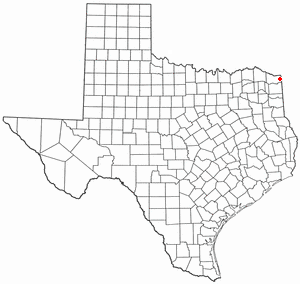
Wake Village is a city in Bowie County, Texas, United States, and a suburb of Texarkana, Texas. It is part of the Texarkana metropolitan area. The population was 5,945 at the 2020 census.
Wake Village was founded in 1944 for the war effort to provide housing for the plant workers at the Red River Army Depot and the Lone Star Army Ammunition Plant.
The name was taken from Wake Island, in the Pacific theater of the war. The population was over 1,000 in the early 1950s; in the early 1990s it had reached 4,400, and the 2000 census reported 5,129. The sections of Wake Village in which the original post-war homes exist are named WWII-related names, i.e. Manila, Guam, Singapore, Arizona, Burma Victory, etc. The 1950s mid-century modern home enclaves feature names such as Esther and Marianna.
Wake Village is located in eastern Bowie County immediately west of Texarkana, at the intersection of Farm to Market Road 989 and Old Redwater Road, north of U.S. Route 67 and south of U.S. Route 82. The city of Nash is situated immediately to the north, also along FM 989.
According to the United States Census Bureau, the city has a total area of 2.3 square miles (6.0 km2), all land.
As of the 2020 census, Wake Village had a population of 5,945. The median age was 37.2 years. 25.1% of residents were under the age of 18 and 16.9% of residents were 65 years of age or older. For every 100 females there were 86.6 males, and for every 100 females age 18 and over there were 83.0 males age 18 and over. 95.0% of residents lived in urban areas, while 5.0% lived in rural areas. There were 2,372 households and 1,478 families in Wake Village; 33.8% of households had children under the age of 18 living in them. Of all households, 46.7% were married-couple households, 15.8% were households with a male householder and no spouse or partner present, and 31.7% were households with a female householder and no spouse or partner present. About 26.9% of all households were made up of individuals and 10.0% had someone living alone who was 65 years of age or older. There were 2,489 housing units, of which 4.7% were vacant. The homeowner vacancy rate was 1.9% and the rental vacancy rate was 5.5%.
As of the 2000 census, there were 5,129 people, 2,042 households, and 1,511 families residing in the city. The population density was 3,092.9 inhabitants per square mile (1,194.2/km2). There were 2,198 housing units at an average density of 1,325.4 per square mile (511.7/km2). The racial makeup of the city was 82.76% White, 14.19% African American, 0.92% Native American, 0.47% Asian, 0.04% Pacific Islander, 0.96% from other races, and 0.66% from two or more races. Hispanic or Latino of any race were 3.18% of the population.
There were 2,042 households, out of which 34.4% had children under the age of 18 living with them, 58.7% were married couples living together, 12.1% had a female householder with no husband present, and 26.0% were non-families. 23.3% of all households were made up of individuals, and 8.2% had someone living alone who was 65 years of age or older. The average household size was 2.51 and the average family size was 2.94.
Hub AI
Wake Village, Texas AI simulator
(@Wake Village, Texas_simulator)
Wake Village, Texas
Wake Village is a city in Bowie County, Texas, United States, and a suburb of Texarkana, Texas. It is part of the Texarkana metropolitan area. The population was 5,945 at the 2020 census.
Wake Village was founded in 1944 for the war effort to provide housing for the plant workers at the Red River Army Depot and the Lone Star Army Ammunition Plant.
The name was taken from Wake Island, in the Pacific theater of the war. The population was over 1,000 in the early 1950s; in the early 1990s it had reached 4,400, and the 2000 census reported 5,129. The sections of Wake Village in which the original post-war homes exist are named WWII-related names, i.e. Manila, Guam, Singapore, Arizona, Burma Victory, etc. The 1950s mid-century modern home enclaves feature names such as Esther and Marianna.
Wake Village is located in eastern Bowie County immediately west of Texarkana, at the intersection of Farm to Market Road 989 and Old Redwater Road, north of U.S. Route 67 and south of U.S. Route 82. The city of Nash is situated immediately to the north, also along FM 989.
According to the United States Census Bureau, the city has a total area of 2.3 square miles (6.0 km2), all land.
As of the 2020 census, Wake Village had a population of 5,945. The median age was 37.2 years. 25.1% of residents were under the age of 18 and 16.9% of residents were 65 years of age or older. For every 100 females there were 86.6 males, and for every 100 females age 18 and over there were 83.0 males age 18 and over. 95.0% of residents lived in urban areas, while 5.0% lived in rural areas. There were 2,372 households and 1,478 families in Wake Village; 33.8% of households had children under the age of 18 living in them. Of all households, 46.7% were married-couple households, 15.8% were households with a male householder and no spouse or partner present, and 31.7% were households with a female householder and no spouse or partner present. About 26.9% of all households were made up of individuals and 10.0% had someone living alone who was 65 years of age or older. There were 2,489 housing units, of which 4.7% were vacant. The homeowner vacancy rate was 1.9% and the rental vacancy rate was 5.5%.
As of the 2000 census, there were 5,129 people, 2,042 households, and 1,511 families residing in the city. The population density was 3,092.9 inhabitants per square mile (1,194.2/km2). There were 2,198 housing units at an average density of 1,325.4 per square mile (511.7/km2). The racial makeup of the city was 82.76% White, 14.19% African American, 0.92% Native American, 0.47% Asian, 0.04% Pacific Islander, 0.96% from other races, and 0.66% from two or more races. Hispanic or Latino of any race were 3.18% of the population.
There were 2,042 households, out of which 34.4% had children under the age of 18 living with them, 58.7% were married couples living together, 12.1% had a female householder with no husband present, and 26.0% were non-families. 23.3% of all households were made up of individuals, and 8.2% had someone living alone who was 65 years of age or older. The average household size was 2.51 and the average family size was 2.94.
Recent media