
Recent from talks
Wampanoag Tribe of Gay Head
Knowledge base stats:
Talk channels stats:
Members stats:
Wampanoag Tribe of Gay Head
The Wampanoag Tribe of Gay Head (Aquinnah) (Wampanoag: Âhqunah Wôpanâak) is a federally recognized tribe of Wampanoag people based in the town of Aquinnah on the southwest tip of Martha's Vineyard (Wampanoag: Noepe, the land amid the streams) in Massachusetts (Wampanoag: Mâsach8sut), United States.
The tribe received official recognition in 1987, the same year that their land claim on Martha's Vineyard was settled by an act of Congress, with agreement by the state and the United States Department of Interior. The government took into trust on behalf of the tribe 485 acres of Tribal Lands purchased (160 acres private and approximately 325 acres common lands).
The Wampanoag Tribe of Gay Head is governed by an elected eleven-member council. The administration as of March 2023 is as follows.
The tribe's honorary tribal chief and the medicine man are hereditary positions held for life.
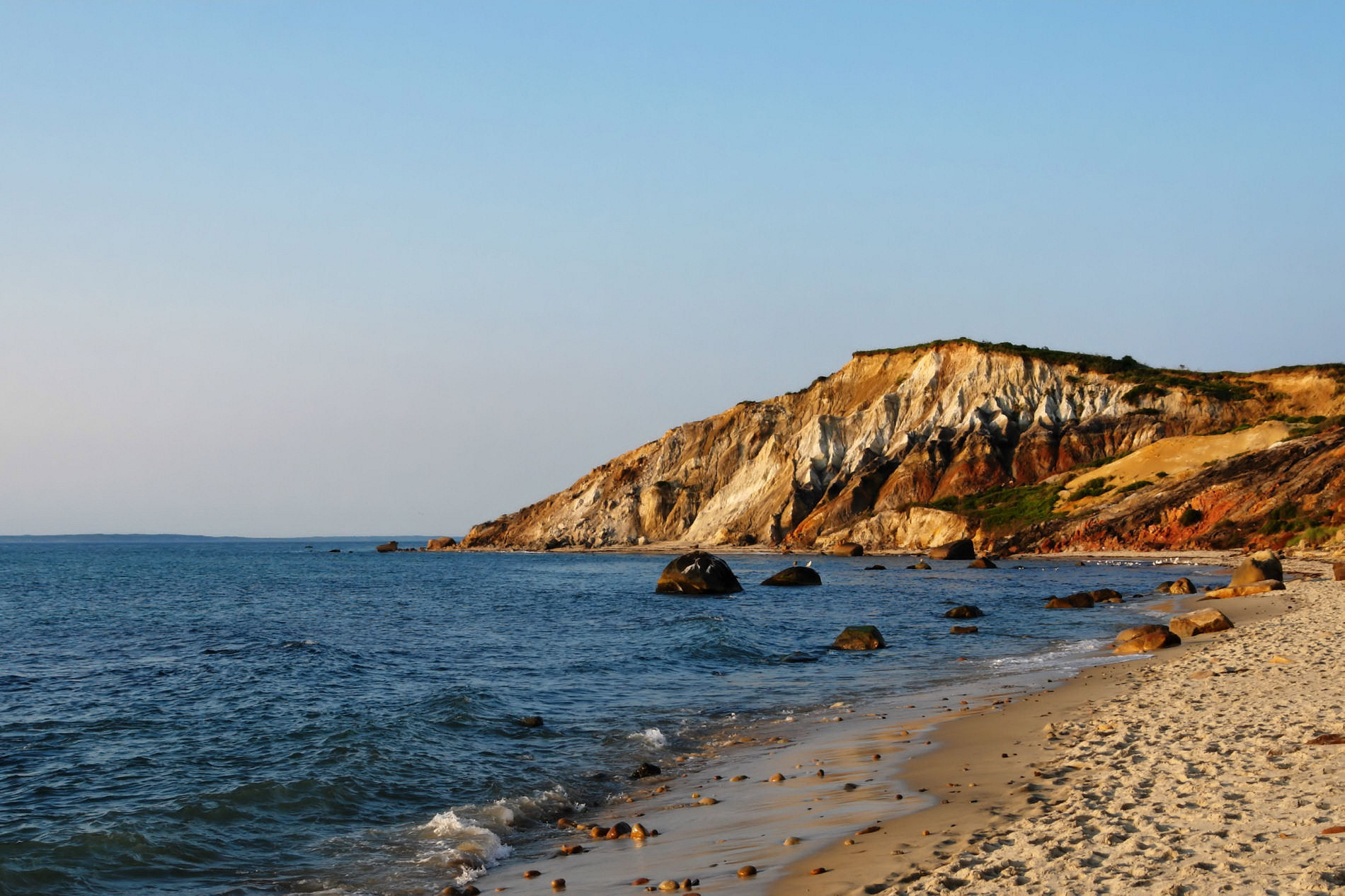
The Aquinnah Wampanoag tribe operates a shellfish hatchery on Menemsha Pond, cultivating oysters. Tourism is also very important to the tribe. Aquinnah circle has been deemed a cultural and historical site by the Massachusetts Cultural Council and is the first town-tribe partnership in the nation. The town of Aquinnah owns the publicly accessible land atop the cliffs, but the tribe has right of refusal for all lease agreements.
In 2011, the state of Massachusetts passed a law allowing legalized gambling, and federally recognized Native American tribes began to develop proposals to develop casinos.
Faced with state opposition to a Class III facility on its land, in 2013 the Wampanoag Tribe of Gay Head proposed a Class II facility to be developed on its property. The state and town filed suit against it in federal district court, and the judge ruled in their favor. The tribe, together with the Department of Interior, appealed to the US Court of Appeals, First Circuit, defending its case in December 2016.
Many tribal members own their own businesses, while others have had to move off island for employment.
Hub AI
Wampanoag Tribe of Gay Head AI simulator
(@Wampanoag Tribe of Gay Head_simulator)
Wampanoag Tribe of Gay Head
The Wampanoag Tribe of Gay Head (Aquinnah) (Wampanoag: Âhqunah Wôpanâak) is a federally recognized tribe of Wampanoag people based in the town of Aquinnah on the southwest tip of Martha's Vineyard (Wampanoag: Noepe, the land amid the streams) in Massachusetts (Wampanoag: Mâsach8sut), United States.
The tribe received official recognition in 1987, the same year that their land claim on Martha's Vineyard was settled by an act of Congress, with agreement by the state and the United States Department of Interior. The government took into trust on behalf of the tribe 485 acres of Tribal Lands purchased (160 acres private and approximately 325 acres common lands).
The Wampanoag Tribe of Gay Head is governed by an elected eleven-member council. The administration as of March 2023 is as follows.
The tribe's honorary tribal chief and the medicine man are hereditary positions held for life.
The Aquinnah Wampanoag tribe operates a shellfish hatchery on Menemsha Pond, cultivating oysters. Tourism is also very important to the tribe. Aquinnah circle has been deemed a cultural and historical site by the Massachusetts Cultural Council and is the first town-tribe partnership in the nation. The town of Aquinnah owns the publicly accessible land atop the cliffs, but the tribe has right of refusal for all lease agreements.
In 2011, the state of Massachusetts passed a law allowing legalized gambling, and federally recognized Native American tribes began to develop proposals to develop casinos.
Faced with state opposition to a Class III facility on its land, in 2013 the Wampanoag Tribe of Gay Head proposed a Class II facility to be developed on its property. The state and town filed suit against it in federal district court, and the judge ruled in their favor. The tribe, together with the Department of Interior, appealed to the US Court of Appeals, First Circuit, defending its case in December 2016.
Many tribal members own their own businesses, while others have had to move off island for employment.
Recent media