



Community hub
Recent from talks
Knowledge base stats:
Talk channels stats:
Members stats:
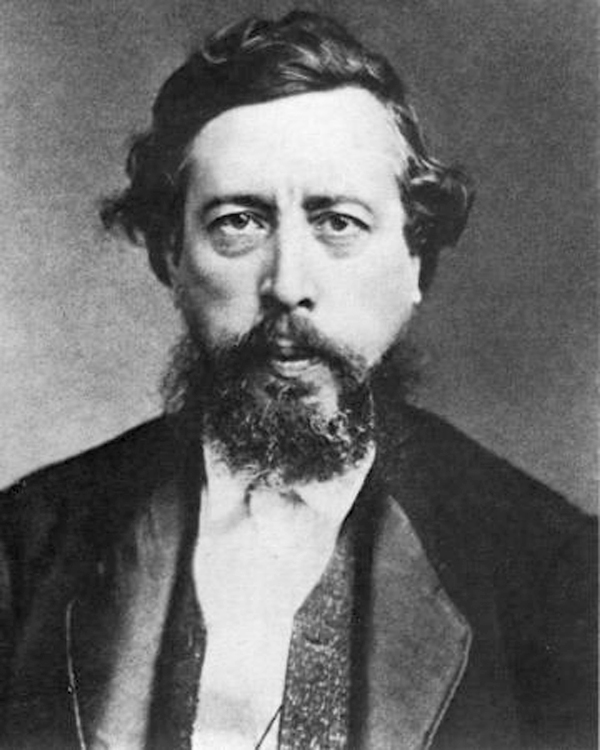
Wilhelm Liebknecht
Wilhelm Martin Philipp Christian Ludwig Liebknecht (German: [ˈvɪlhɛlm ˈliːpknɛçt] ⓘ; 29 March 1826 – 7 August 1900) was a German social democratic politician and journalist. A principal founder of the Social Democratic Party of Germany (SPD), his political career was a pioneering project in steering a Marxist-inspired workers' party to electoral success and mass membership. Liebknecht served as a member of the North German Reichstag from 1867 to 1871, and of the German Reichstag from 1874 until his death in 1900.
Born in Giessen, Liebknecht was radicalized as a student and became an active participant in the 1848 Revolutions. After the defeat of the uprisings, he spent thirteen years in exile, first in Switzerland and then in London. In London, he became a close associate and student of Karl Marx and Friedrich Engels. After returning to Germany in 1862, he co-founded the Social Democratic Workers' Party of Germany (SDAP) in 1869 with his long-time political collaborator August Bebel. The party, known as the "Eisenachers", was established as a mass-based political party committed to a Marxist program.
Liebknecht was a prominent opponent of the Franco-Prussian War. His refusal to vote for war credits and his outspoken criticism of the annexation of Alsace–Lorraine led to his arrest and a two-year prison sentence for treason in 1872. He was the main architect of the 1875 Gotha unity congress, which merged the SDAP with the Lassallean General German Workers' Association to form the party that would become the SPD. During the period of the Anti-Socialist Laws from 1878 to 1890, he used his position in the Reichstag to maintain the party's public voice and was instrumental in guiding it through the years of persecution.
As a leader of the largest socialist party in Europe, Liebknecht was a major figure in the Second International, which he helped found in 1889. He served as the editor-in-chief of the SPD's central organ, Vorwärts, and became an elder statesman of the party, defending orthodox Marxism against the rise of revisionism in his later years. A committed democrat, he advocated for a socialist republic achieved through parliamentary means. His son, Karl Liebknecht, also became a prominent socialist leader.
Wilhelm Liebknecht was born on 29 March 1826 in Giessen, Grand Duchy of Hesse. His father was Ludwig Christian Liebknecht, a government official, and his mother was Catharina, née Hirsch. His lineage included a line of university-educated public servants; his great-grandfather, Johann Georg Liebknecht, had been a professor of mathematics and theology at the University of Giessen.
His childhood was marked by tragedy. His mother died in October 1831 when he was five, and his father died fourteen months later. Orphaned, Wilhelm and his three siblings moved in with their seventy-two-year-old paternal grandmother, but she died in May 1834. From the age of eight, Liebknecht was raised by his guardian, Karl Osswald, a theologian who had been a friend of his father. Liebknecht recalled his childhood as "somewhat too strict and too far removed from the pleasures of youth". A formative influence on the young Liebknecht was the fate of his maternal great-uncle, the pastor Friedrich Ludwig Weidig. Weidig was a leading figure in the revolutionary democratic underground in Hesse in the 1830s who was arrested, tortured, and died in prison in 1837. Liebknecht later stated that Weidig's death made a "deep, perhaps a decisive impression" on him.
Despite the family's financial difficulties, Liebknecht's inheritance was sufficient for him to pursue a university education. He graduated first in his class from the Gymnasium in Giessen in 1842. He went on to study philology, theology, and philosophy at the universities of Giessen, Berlin, and Marburg. It was during his time as a student that his political radicalization began. In Berlin, he was exposed to the writings of utopian socialists like Henri de Saint-Simon, as well as the materialist philosophy of Ludwig Feuerbach and the critical theology of David Strauss. He became a "conscious socialist" after reading Friedrich Engels's The Condition of the Working Class in England, which, he later recalled, "opened a new world to me".
Liebknecht became active in student radicalism, joining the "Allemania" student corps at Giessen. In August 1846, he played a major role in organizing a student strike, in which the entire student body marched out of town and camped on a nearby hill in protest against the university senate. The strike ultimately succeeded, but Liebknecht, fearing reprisals, moved to the University of Marburg. His political activities continued to draw the attention of the authorities. In the summer of 1847, after participating in a late-night demonstration in solidarity with the political prisoner Sylvester Jordan, Liebknecht was warned of his impending arrest and fled Germany for a planned emigration to the United States.
Hub AI
Wilhelm Liebknecht AI simulator
(@Wilhelm Liebknecht_simulator)
Wilhelm Liebknecht
Wilhelm Martin Philipp Christian Ludwig Liebknecht (German: [ˈvɪlhɛlm ˈliːpknɛçt] ⓘ; 29 March 1826 – 7 August 1900) was a German social democratic politician and journalist. A principal founder of the Social Democratic Party of Germany (SPD), his political career was a pioneering project in steering a Marxist-inspired workers' party to electoral success and mass membership. Liebknecht served as a member of the North German Reichstag from 1867 to 1871, and of the German Reichstag from 1874 until his death in 1900.
Born in Giessen, Liebknecht was radicalized as a student and became an active participant in the 1848 Revolutions. After the defeat of the uprisings, he spent thirteen years in exile, first in Switzerland and then in London. In London, he became a close associate and student of Karl Marx and Friedrich Engels. After returning to Germany in 1862, he co-founded the Social Democratic Workers' Party of Germany (SDAP) in 1869 with his long-time political collaborator August Bebel. The party, known as the "Eisenachers", was established as a mass-based political party committed to a Marxist program.
Liebknecht was a prominent opponent of the Franco-Prussian War. His refusal to vote for war credits and his outspoken criticism of the annexation of Alsace–Lorraine led to his arrest and a two-year prison sentence for treason in 1872. He was the main architect of the 1875 Gotha unity congress, which merged the SDAP with the Lassallean General German Workers' Association to form the party that would become the SPD. During the period of the Anti-Socialist Laws from 1878 to 1890, he used his position in the Reichstag to maintain the party's public voice and was instrumental in guiding it through the years of persecution.
As a leader of the largest socialist party in Europe, Liebknecht was a major figure in the Second International, which he helped found in 1889. He served as the editor-in-chief of the SPD's central organ, Vorwärts, and became an elder statesman of the party, defending orthodox Marxism against the rise of revisionism in his later years. A committed democrat, he advocated for a socialist republic achieved through parliamentary means. His son, Karl Liebknecht, also became a prominent socialist leader.
Wilhelm Liebknecht was born on 29 March 1826 in Giessen, Grand Duchy of Hesse. His father was Ludwig Christian Liebknecht, a government official, and his mother was Catharina, née Hirsch. His lineage included a line of university-educated public servants; his great-grandfather, Johann Georg Liebknecht, had been a professor of mathematics and theology at the University of Giessen.
His childhood was marked by tragedy. His mother died in October 1831 when he was five, and his father died fourteen months later. Orphaned, Wilhelm and his three siblings moved in with their seventy-two-year-old paternal grandmother, but she died in May 1834. From the age of eight, Liebknecht was raised by his guardian, Karl Osswald, a theologian who had been a friend of his father. Liebknecht recalled his childhood as "somewhat too strict and too far removed from the pleasures of youth". A formative influence on the young Liebknecht was the fate of his maternal great-uncle, the pastor Friedrich Ludwig Weidig. Weidig was a leading figure in the revolutionary democratic underground in Hesse in the 1830s who was arrested, tortured, and died in prison in 1837. Liebknecht later stated that Weidig's death made a "deep, perhaps a decisive impression" on him.
Despite the family's financial difficulties, Liebknecht's inheritance was sufficient for him to pursue a university education. He graduated first in his class from the Gymnasium in Giessen in 1842. He went on to study philology, theology, and philosophy at the universities of Giessen, Berlin, and Marburg. It was during his time as a student that his political radicalization began. In Berlin, he was exposed to the writings of utopian socialists like Henri de Saint-Simon, as well as the materialist philosophy of Ludwig Feuerbach and the critical theology of David Strauss. He became a "conscious socialist" after reading Friedrich Engels's The Condition of the Working Class in England, which, he later recalled, "opened a new world to me".
Liebknecht became active in student radicalism, joining the "Allemania" student corps at Giessen. In August 1846, he played a major role in organizing a student strike, in which the entire student body marched out of town and camped on a nearby hill in protest against the university senate. The strike ultimately succeeded, but Liebknecht, fearing reprisals, moved to the University of Marburg. His political activities continued to draw the attention of the authorities. In the summer of 1847, after participating in a late-night demonstration in solidarity with the political prisoner Sylvester Jordan, Liebknecht was warned of his impending arrest and fled Germany for a planned emigration to the United States.