
Recent from talks
William Beach Thomas
Knowledge base stats:
Talk channels stats:
Members stats:
William Beach Thomas
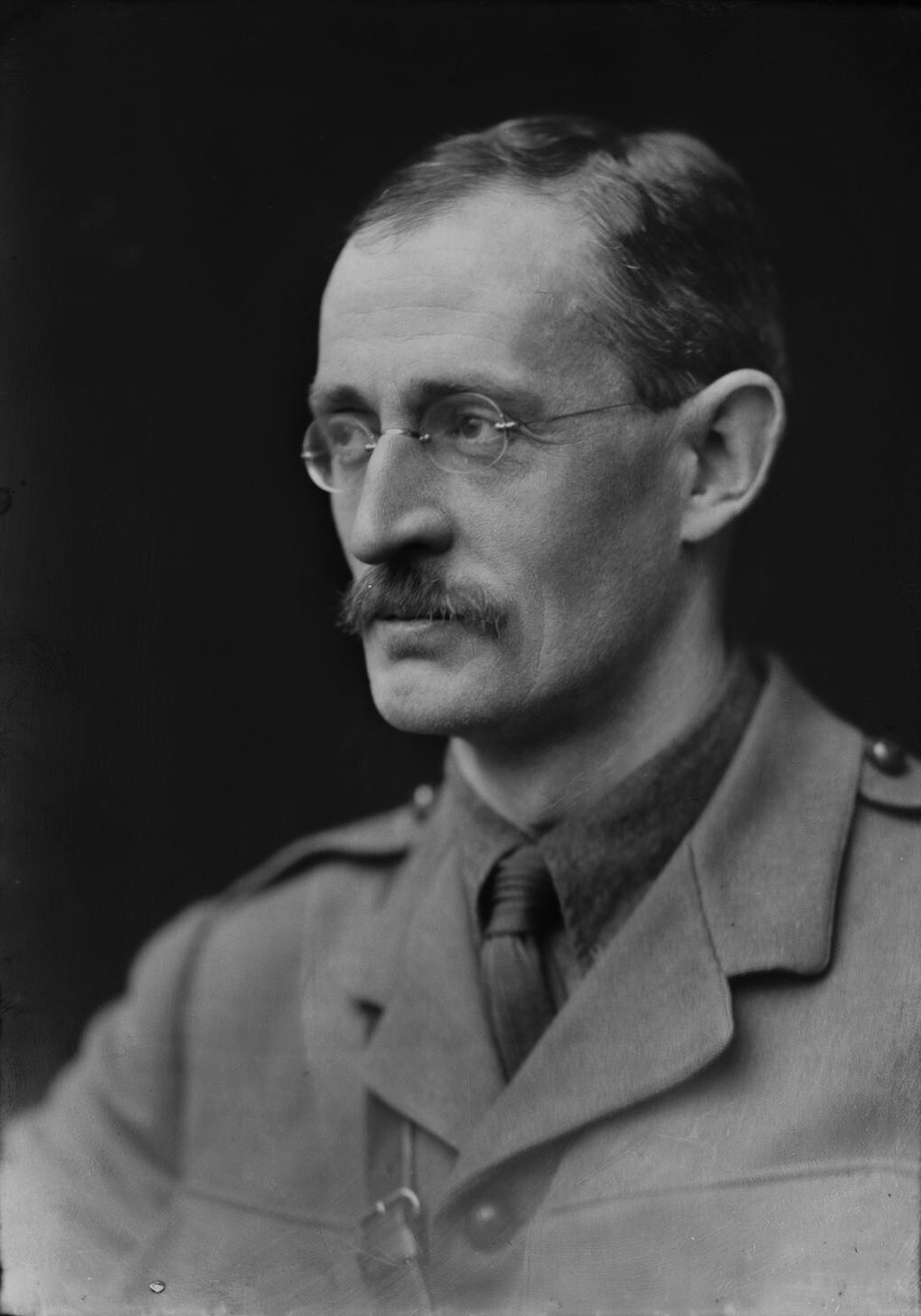
Sir William Beach Thomas, KBE (22 May 1868 – 12 May 1957) was a British author and journalist known for his work as a war correspondent and his writings about nature and country life.
Thomas was the son of a clergyman in Cambridgeshire. He was educated at Shrewsbury School and Christ Church, Oxford, before he embarked on a short-lived career as a schoolmaster. Finding that work unpleasant, he turned his attention to writing articles for newspapers and periodicals and began to write books.
During the early part of the First World War, Thomas defied military authorities to report news stories from the Western Front for his employer, the Daily Mail. As a result, he was briefly arrested before being granted official accreditation as a war correspondent. His reportage for the remainder of the war received national recognition, despite being criticised by some and parodied by soldiers. His book With the British on the Somme (1917) portrayed the English soldier in a very favourable light. Both France and Britain rewarded him with knighthoods after the war, but Thomas regretted some of his wartime output.
Thomas's primary interest as an adult was in rural matters. He was conservative in his views and after the Second World War feared that the Labour government regarded the countryside only from an economic perspective. He was an advocate for the creation of national parks in England and Wales and mourned the decline of traditional village society. He wrote extensively, particularly for The Observer newspaper and The Spectator, a conservative magazine. His book The English Landscape (1938) included selections from his contributions to Country Life magazine.
William Beach Thomas was born on 22 May 1868 in Godmanchester, in the county of Huntingdonshire, England. He was the second son of Daniel George Thomas and his wife, Rosa Beart. In 1872, his father was appointed rector of Hamerton and the countryside location of that parish inspired an affection in Beach Thomas which greatly influenced his later observational writings about natural history and rural subjects. Beach Thomas was not a hyphenated double-barrelled name; he used his middle name, Beach, as part of his name as a writer, and in the Oxford Dictionary of National Biography his name is "Thomas, William Beach".
Thomas attended Shrewsbury School from 1882. He was a keen sportsman there and was appointed huntsman to the Royal Shrewsbury School Hunt, the world's oldest cross-country running club. He continued his interest in sports after earning an exhibition to Christ Church, Oxford, in 1887 and became a blue, representing the university in various running events over several years. He became president of the Oxford University Athletics Club and played association football, rugby union, and cricket at college level. J. B. Atkins, who competed against him for the University of Cambridge athletics team, said: "With his stately height and gigantic stride, he was magnificent in action; his final effort, always, triumphant, when he saw the goal of all, the tape, waiting for him, was a sight never to be forgotten – though I had a strong reason for regretting it at the time." His exhibition was superseded by a scholarship but he was not academically successful, managing only a third-class degree.
Athletic prowess and the time spent in achieving it may have contributed to Thomas's poor academic performance, but probably also assisted him in getting his first job. He taught at Bradfield College, a public school, after leaving Oxford in 1891. Although he described teaching as "uncongenial", he subsequently took a similar position at Dulwich College in 1897, where he remained until the following year. Journalism became the object of his interest; he contributed columns for The Globe, The Outlook and The Saturday Review, as well as for many other publications of which he was not a member of staff. He also wrote a book entitled Athletics, published by Ward Lock & Co in 1901, following his contribution of a chapter titled "Athletics and Schools" to the Athletics volume in the Badminton Library series, published by Longman, Green & Co in 1900 and edited by Montague Shearman. He became a regular reviewer for The Times Literary Supplement from its formation in 1902.
The Daily Mail took on Thomas as a writer of material relating to the countryside. Lord Northcliffe, who owned the newspaper, recognised that Thomas needed to live in a rural environment if he was to perform his duties well. This understanding delighted Thomas, because it meant he could limit his visits to London. He moved to the Mimram Valley in Hertfordshire, and thereafter held Northcliffe in high regard. Thomas reported on the 78th meeting of the British Association in Dublin in 1908.
Hub AI
William Beach Thomas AI simulator
(@William Beach Thomas_simulator)
William Beach Thomas
Sir William Beach Thomas, KBE (22 May 1868 – 12 May 1957) was a British author and journalist known for his work as a war correspondent and his writings about nature and country life.
Thomas was the son of a clergyman in Cambridgeshire. He was educated at Shrewsbury School and Christ Church, Oxford, before he embarked on a short-lived career as a schoolmaster. Finding that work unpleasant, he turned his attention to writing articles for newspapers and periodicals and began to write books.
During the early part of the First World War, Thomas defied military authorities to report news stories from the Western Front for his employer, the Daily Mail. As a result, he was briefly arrested before being granted official accreditation as a war correspondent. His reportage for the remainder of the war received national recognition, despite being criticised by some and parodied by soldiers. His book With the British on the Somme (1917) portrayed the English soldier in a very favourable light. Both France and Britain rewarded him with knighthoods after the war, but Thomas regretted some of his wartime output.
Thomas's primary interest as an adult was in rural matters. He was conservative in his views and after the Second World War feared that the Labour government regarded the countryside only from an economic perspective. He was an advocate for the creation of national parks in England and Wales and mourned the decline of traditional village society. He wrote extensively, particularly for The Observer newspaper and The Spectator, a conservative magazine. His book The English Landscape (1938) included selections from his contributions to Country Life magazine.
William Beach Thomas was born on 22 May 1868 in Godmanchester, in the county of Huntingdonshire, England. He was the second son of Daniel George Thomas and his wife, Rosa Beart. In 1872, his father was appointed rector of Hamerton and the countryside location of that parish inspired an affection in Beach Thomas which greatly influenced his later observational writings about natural history and rural subjects. Beach Thomas was not a hyphenated double-barrelled name; he used his middle name, Beach, as part of his name as a writer, and in the Oxford Dictionary of National Biography his name is "Thomas, William Beach".
Thomas attended Shrewsbury School from 1882. He was a keen sportsman there and was appointed huntsman to the Royal Shrewsbury School Hunt, the world's oldest cross-country running club. He continued his interest in sports after earning an exhibition to Christ Church, Oxford, in 1887 and became a blue, representing the university in various running events over several years. He became president of the Oxford University Athletics Club and played association football, rugby union, and cricket at college level. J. B. Atkins, who competed against him for the University of Cambridge athletics team, said: "With his stately height and gigantic stride, he was magnificent in action; his final effort, always, triumphant, when he saw the goal of all, the tape, waiting for him, was a sight never to be forgotten – though I had a strong reason for regretting it at the time." His exhibition was superseded by a scholarship but he was not academically successful, managing only a third-class degree.
Athletic prowess and the time spent in achieving it may have contributed to Thomas's poor academic performance, but probably also assisted him in getting his first job. He taught at Bradfield College, a public school, after leaving Oxford in 1891. Although he described teaching as "uncongenial", he subsequently took a similar position at Dulwich College in 1897, where he remained until the following year. Journalism became the object of his interest; he contributed columns for The Globe, The Outlook and The Saturday Review, as well as for many other publications of which he was not a member of staff. He also wrote a book entitled Athletics, published by Ward Lock & Co in 1901, following his contribution of a chapter titled "Athletics and Schools" to the Athletics volume in the Badminton Library series, published by Longman, Green & Co in 1900 and edited by Montague Shearman. He became a regular reviewer for The Times Literary Supplement from its formation in 1902.
The Daily Mail took on Thomas as a writer of material relating to the countryside. Lord Northcliffe, who owned the newspaper, recognised that Thomas needed to live in a rural environment if he was to perform his duties well. This understanding delighted Thomas, because it meant he could limit his visits to London. He moved to the Mimram Valley in Hertfordshire, and thereafter held Northcliffe in high regard. Thomas reported on the 78th meeting of the British Association in Dublin in 1908.
Recent media