Hubbry Logo
William DillonWilliam DillonMain
Open search
William Dillon
Community hub
William Dillon
logo
8 pages, 0 posts
0 subscribers
Be the first to start a discussion here.
William Dillon
William Dillon
from Wikipedia

Key Information

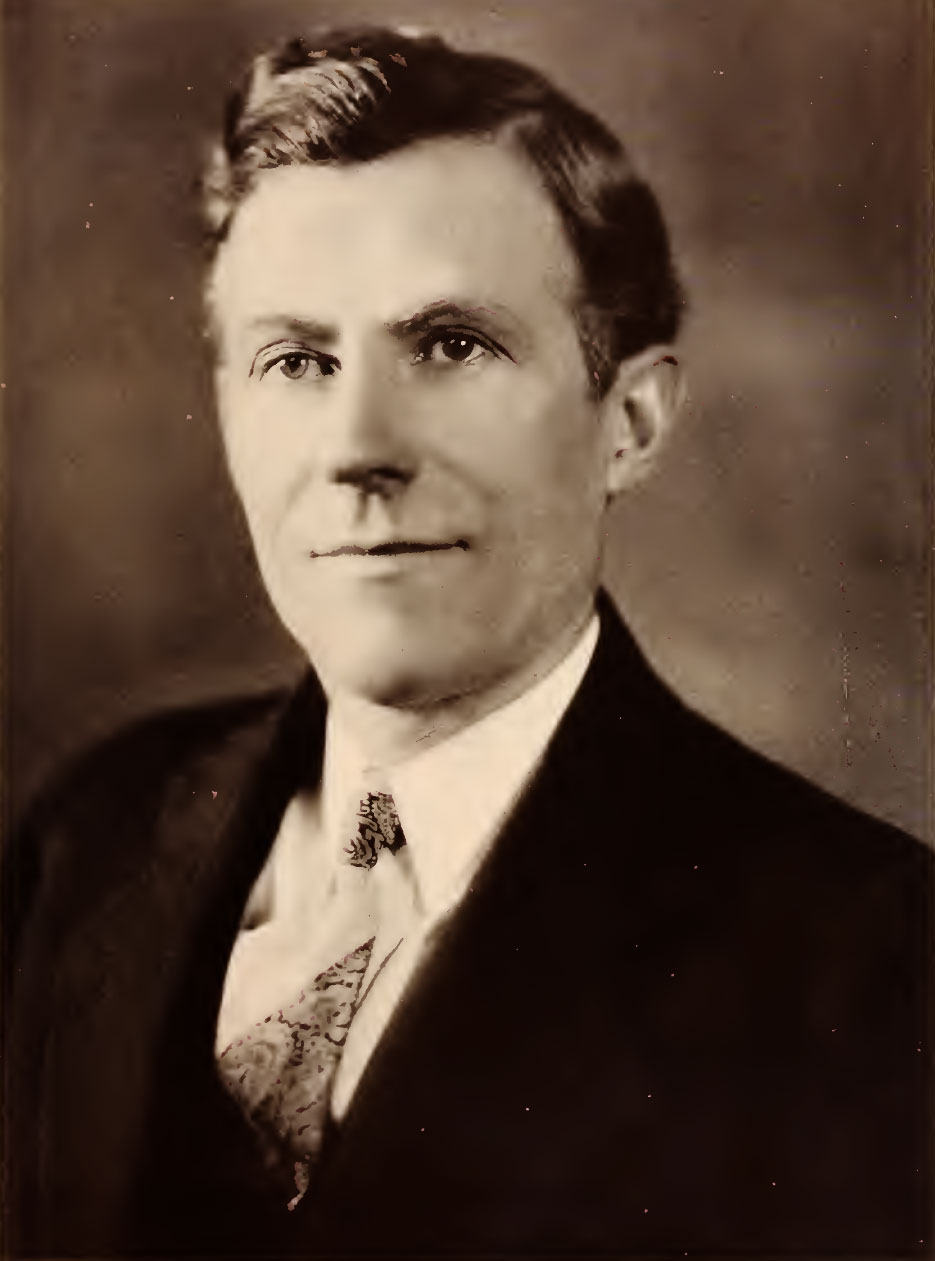
William Austin Dillon (November 6, 1877 – February 10, 1966) was an American songwriter and Vaudevillian. He is best known as the lyricist for the song "I Want A Girl (Just Like The Girl That Married Dear Old Dad)" (1911), written in collaboration with Harry Von Tilzer.,[1][2] which can be heard in Show Business (1944) and The Jolson Story (1946).

Dillon was born in Cortland, New York and performed in vaudeville with his brothers John and Harry, as well as with own act, billed as the "man of a thousand songs".[3]

Dillon married in 1918 to Georgia Leola Head, daughter of George and Mary (Steen) Head.

Sheet music cover to 1907's Every Little Bit Added To What You've Got Makes Just a Little Bit More by William and brother Lawrence

He quit the vaudeville stage around 1912 after injuries suffered in a car accident, but remained active in the entertainment world as a songwriter andtheater operator. Dillon eventually returned to performing for troops in World War II and made television appearances.

He died in Ithaca, New York on February 10, 1966.[contradictory][4]

Selected songs

[edit]
  • "Every Little Bit Added to What You've Got Makes Just a Little Bit More" (1907, written with his brother Lawrence)
  • "I'd Rather Have a Girlie Than an Automobile" (1908)
  • "Keep Your Foot on the Soft Pedal" (1909)
  • "I Want A Girl (Just Like The Girl That Married Dear Old Dad)" (1911, with von Tilzer)
  • "All Alone" (1911, with Tilzer)
  • "That Girl of Mine" (1916, with Harry Tobias and Arthur Lange)
  • "I'll Wed the Girl I Left Behind" (1916)
  • "On the Old Back Seat of the Henry Ford" (1916, with Lawrence)
  • "My Grandfather's Girl" (1916)
  • "Take Me to My Alabam" (1916)
  • "Keep Right on to the End of the Road" (1924, with Harry Lauder)
  • "Me and My Uncle Sam" (1941)[5][6]

References

[edit]
[edit]
Revisions and contributorsEdit on WikipediaRead on Wikipedia
from Grokipedia
William Dillon is an American exoneree known for his wrongful conviction in 1981 for first-degree murder and his subsequent exoneration in 2008 after serving nearly 27 years in Florida prisons. He was sentenced to life imprisonment for the beating death of James Dvorak at Canova Beach, based primarily on unreliable evidence including discredited dog scent identification by handler John Preston, recanted witness testimony, jailhouse informant statements, and mistaken eyewitness identification. Postconviction DNA testing on a bloody yellow T-shirt found near the crime scene excluded Dillon as the source of key biological material, instead matching an unrelated individual, leading to the vacating of his conviction on November 14, 2008, his release on November 18, 2008, and the formal dropping of charges on December 10, 2008. His case involved the longest time served by any DNA exoneree at the time of his release, highlighting systemic issues such as official misconduct, perjury, and the unreliability of certain forensic methods. In 2012, the Florida Legislature awarded him $1.35 million in compensation. During his imprisonment, Dillon found expression through writing songs and poems, later releasing a CD titled Black Robes and Lawyers with contributions from musician Jim Tullio. He has expressed a desire to engage in advocacy for wrongful conviction reform and to educate others about miscarriages of justice based on his experience.

Early life

Little public information is available about William Dillon's early life, family background, or education. He was 21 years old at the time of the murder of James Dvorak on August 17, 1981, implying a birth year around 1960. No further details on his childhood or pre-conviction activities are documented in major case sources. No vaudeville career is associated with William Dillon (the subject of this article). The previous content pertained to a different individual of the same name.

Songwriting career

William Dillon wrote songs and poems during his nearly 27 years of wrongful imprisonment as a means of expression and coping. He taught himself to play guitar and composed pieces inspired by his experiences of injustice and life in prison.

Notable compositions

One of Dillon's songs, the title track "Black Robes and Lawyers" from his CD, reflects his views on the justice system and was written while incarcerated. He has performed and recorded music addressing his wrongful conviction.

Collaborations and peak years

Dillon collaborated with musician Jim Tull (also referred to as Tullio) to record and produce his music after exoneration. In 2011, following a two-week collaboration, he released the CD Black Robes and Lawyers, featuring songs about his wrongful incarceration. His music activities peaked post-release as he pursued recording, performing, and using his work to advocate for wrongful conviction reform. After his exoneration and release from prison on November 18, 2008, William Dillon has focused on advocacy for wrongful conviction reform and educating others about miscarriages of justice. During his imprisonment, he wrote songs and poems as a means of expression. After release, he learned guitar and released a CD titled Black Robes and Lawyers, produced with contributions from musician Jim Tull (also spelled Jim Tule). He has described music as an outlet when the system would not listen and has sung for the Legal Talk Network podcast For the Innocent. Dillon has expressed willingness to speak publicly on wrongful convictions and is available for support or participation through the Innocence Project of Florida. He maintains a public Facebook presence under William Michael Dillon. There is no record of Dillon's death in available sources; references as recent as 2024 indicate he remains engaged in advocacy efforts.

Legacy

William Dillon was awarded $1.3 million in compensation by the Florida Legislature in 2011. During his nearly 27 years of imprisonment, Dillon wrote songs and poems as a means of expression. After his release, he released a CD titled Black Robes and Lawyers, featuring his work with contributions from musician Jim Tull. He has expressed a desire to engage in advocacy for reform of wrongful convictions and to educate others about miscarriages of justice based on his experiences.
Add your contribution
Related Hubs
User Avatar
No comments yet.