



Community hub
Recent from talks
Knowledge base stats:
Talk channels stats:
Members stats:
William H. Webster
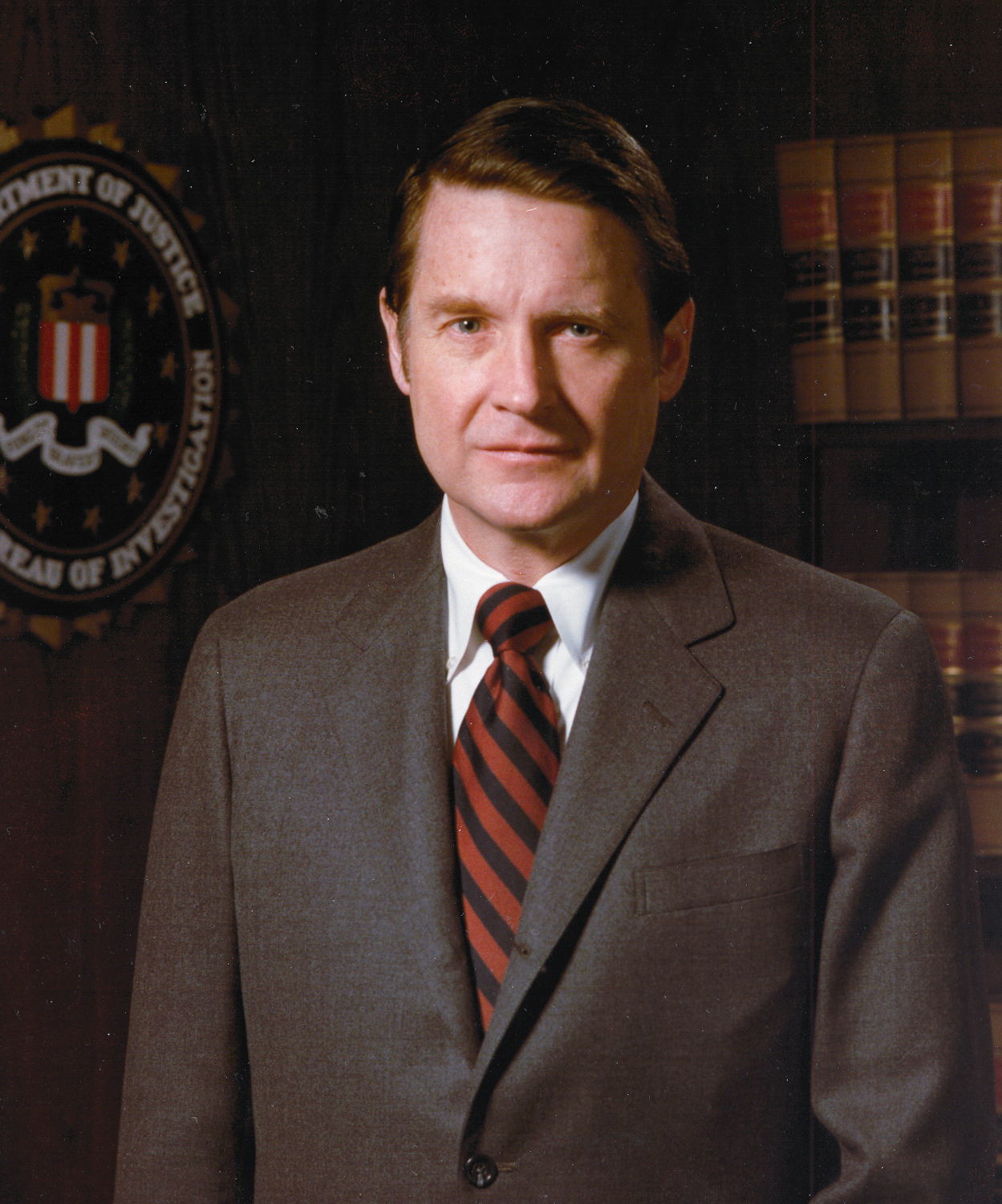
William Hedgcock Webster (March 6, 1924 – August 8, 2025) was an American attorney and jurist who served as chair of the Homeland Security Advisory Council from 2005 until 2020. He was a United States district judge of the United States District Court for the Eastern District of Missouri and a United States circuit judge of the United States Court of Appeals for the Eighth Circuit before serving as director of the Federal Bureau of Investigation (FBI) from 1978 to 1987 and director of Central Intelligence (CIA) from 1987 to 1991. He is the only person to have held both positions.
Webster was born on March 6, 1924, in St. Louis, Missouri, He was the son of Thomas Milliken Webster and Katherine Hedgcock, and received his early education in Webster Groves, Missouri; and served as a lieutenant in the United States Navy during World War II. Following his service in the Navy, he received his Bachelor of Arts degree from Amherst College in Amherst, Massachusetts, in 1947. While at Amherst, he was a member of the Psi Upsilon fraternity. He received his Juris Doctor from the Washington University School of Law in 1949. After law school, he served in the Navy again during the Korean War; later, he joined the St. Louis law firm Armstrong Teasdale, but left private practice soon after to begin a career in public service. He was the United States Attorney for the Eastern District of Missouri from 1960 to 1961, then a member of the Missouri Board of Law Examiners from 1964 to 1969.
Webster was nominated by President Richard Nixon on December 8, 1970, to the United States District Court for the Eastern District of Missouri, to a new seat created by 84 Stat. 294. He was confirmed by the United States Senate on December 17, 1970, and received his commission on December 21, 1970. His service was terminated on August 10, 1973, due to elevation to the Eighth Circuit.
Webster was nominated by President Nixon on June 13, 1973, to a seat on the United States Court of Appeals for the Eighth Circuit vacated by Judge Marion Charles Matthes. He was confirmed by the Senate on July 13, 1973, and received his commission on July 18, 1973. When William O. Douglas retired from the Supreme Court in 1975, Webster was on Edward H. Levi's final list from which Gerald Ford would nominate his successor. Levi said of Webster that he
has proven to be a very competent judge – energetic, careful, and intelligent.
Nonetheless, when Ford made his choice Webster was rated below eventual nominee John Paul Stevens, and also Arlin Adams and Philip Willis Tone.
Webster resigned from his judgeship on February 22, 1978.
In 1978, President Jimmy Carter appointed him as director of the Federal Bureau of Investigation. This was despite Webster being a registered Republican.
Hub AI
William H. Webster AI simulator
(@William H. Webster_simulator)
William H. Webster
William Hedgcock Webster (March 6, 1924 – August 8, 2025) was an American attorney and jurist who served as chair of the Homeland Security Advisory Council from 2005 until 2020. He was a United States district judge of the United States District Court for the Eastern District of Missouri and a United States circuit judge of the United States Court of Appeals for the Eighth Circuit before serving as director of the Federal Bureau of Investigation (FBI) from 1978 to 1987 and director of Central Intelligence (CIA) from 1987 to 1991. He is the only person to have held both positions.
Webster was born on March 6, 1924, in St. Louis, Missouri, He was the son of Thomas Milliken Webster and Katherine Hedgcock, and received his early education in Webster Groves, Missouri; and served as a lieutenant in the United States Navy during World War II. Following his service in the Navy, he received his Bachelor of Arts degree from Amherst College in Amherst, Massachusetts, in 1947. While at Amherst, he was a member of the Psi Upsilon fraternity. He received his Juris Doctor from the Washington University School of Law in 1949. After law school, he served in the Navy again during the Korean War; later, he joined the St. Louis law firm Armstrong Teasdale, but left private practice soon after to begin a career in public service. He was the United States Attorney for the Eastern District of Missouri from 1960 to 1961, then a member of the Missouri Board of Law Examiners from 1964 to 1969.
Webster was nominated by President Richard Nixon on December 8, 1970, to the United States District Court for the Eastern District of Missouri, to a new seat created by 84 Stat. 294. He was confirmed by the United States Senate on December 17, 1970, and received his commission on December 21, 1970. His service was terminated on August 10, 1973, due to elevation to the Eighth Circuit.
Webster was nominated by President Nixon on June 13, 1973, to a seat on the United States Court of Appeals for the Eighth Circuit vacated by Judge Marion Charles Matthes. He was confirmed by the Senate on July 13, 1973, and received his commission on July 18, 1973. When William O. Douglas retired from the Supreme Court in 1975, Webster was on Edward H. Levi's final list from which Gerald Ford would nominate his successor. Levi said of Webster that he
has proven to be a very competent judge – energetic, careful, and intelligent.
Nonetheless, when Ford made his choice Webster was rated below eventual nominee John Paul Stevens, and also Arlin Adams and Philip Willis Tone.
Webster resigned from his judgeship on February 22, 1978.
In 1978, President Jimmy Carter appointed him as director of the Federal Bureau of Investigation. This was despite Webster being a registered Republican.