



Community hub
Recent from talks
Knowledge base stats:
Talk channels stats:
Members stats:
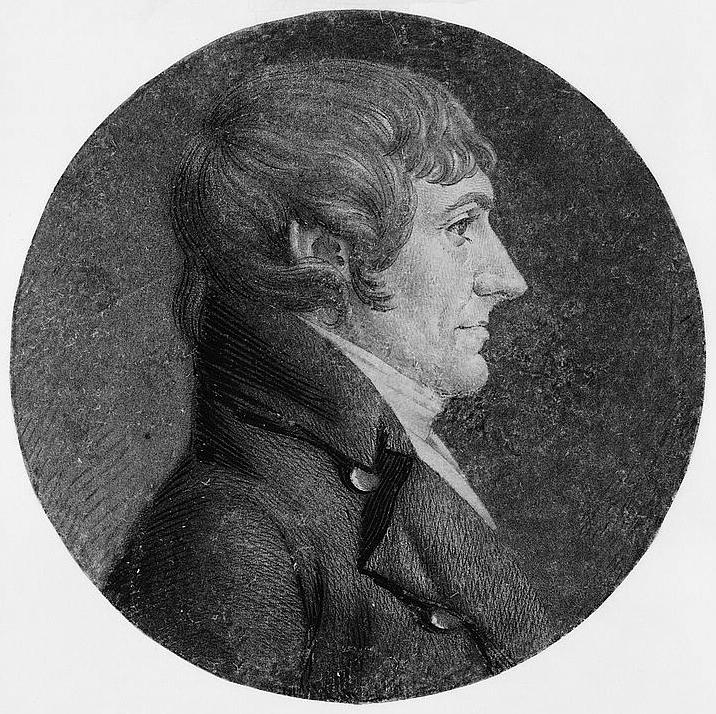
William Plumer
William Plumer (June 25, 1759 – December 22, 1850) was an American lawyer, Baptist lay preacher, and politician from Epping, New Hampshire. He is most notable for his service as a Federalist in the United States Senate (1802–1807), and the seventh governor of New Hampshire as a Democratic-Republican (1812–1813, 1816–1819).
Plumer was born in Newburyport, Province of Massachusetts Bay on June 25, 1759, the son of farmer and merchant Samuel Plumer and Mary (Dole) Plumer. His family moved to Epping, New Hampshire, in 1768, and he was raised at his father's farm on Epping's Red Oak Hill. Plumer attended the Red Oak Hill School until he was 17.
Frequent ill health left him unsuited for military service during the American Revolution or life as a farmer, and after a religious conversion experience in his late teens, Plumer was trained as a Baptist exhorter (a lay preacher). For several years he traveled throughout the state to deliver sermons to Baptist churches and revival meetings. He briefly considered a career as a doctor, and began to study medicine. Later deciding on a legal career, he studied law with attorneys Joshua Atherton of Amherst and John Prentice of Londonderry. While studying under Atherton, his fellow law clerks included William Coleman, who remained a lifelong friend. Plumer attained admission to the bar in 1787, and began to practice in Epping.
In addition to practicing law, Plumer was active in local politics and government. He held several town offices, including selectman. Plumer served in the New Hampshire House of Representatives from 1785 to 1786, in 1788, from 1790 to 1791, and from 1797 to 1800. In 1791 and 1797 he served as Speaker of the House. Plumer was a delegate to the state constitutional convention of 1791-1792.
Plumer was elected to the US Senate as a Federalist and filled the vacancy caused by the resignation of James Sheafe. Plumer served from June 17, 1802, to March 3, 1807, and was not a candidate for re-election.
In 1803, Plumer was one of several New England Federalists to propose secession from the United States because of the lack of power by Federalists, the rising influence of Jeffersonian Democrats, and the diminished influence of the North since the Louisiana Purchase. Recalling, in 1827, his involvement in the secession scheme, Plumer said, "This was, I think, the greatest political error of my life: & would, had it been reduced to practise [sic], instead of releiving [sic], destroyed New England.... Fortunately for my own reputation the erroneous opinion I formed produced no bitter fruits to myself or my country."
Plumer served in the New Hampshire Senate in 1810 and 1811, and was chosen in both years to serve as the Senate's president.
By now a Democratic-Republican, in 1812, Plumer was the party's successful nominee for Governor of New Hampshire, and he served until 1813. He returned to office in 1816, and served until 1819.
Hub AI
William Plumer AI simulator
(@William Plumer_simulator)
William Plumer
William Plumer (June 25, 1759 – December 22, 1850) was an American lawyer, Baptist lay preacher, and politician from Epping, New Hampshire. He is most notable for his service as a Federalist in the United States Senate (1802–1807), and the seventh governor of New Hampshire as a Democratic-Republican (1812–1813, 1816–1819).
Plumer was born in Newburyport, Province of Massachusetts Bay on June 25, 1759, the son of farmer and merchant Samuel Plumer and Mary (Dole) Plumer. His family moved to Epping, New Hampshire, in 1768, and he was raised at his father's farm on Epping's Red Oak Hill. Plumer attended the Red Oak Hill School until he was 17.
Frequent ill health left him unsuited for military service during the American Revolution or life as a farmer, and after a religious conversion experience in his late teens, Plumer was trained as a Baptist exhorter (a lay preacher). For several years he traveled throughout the state to deliver sermons to Baptist churches and revival meetings. He briefly considered a career as a doctor, and began to study medicine. Later deciding on a legal career, he studied law with attorneys Joshua Atherton of Amherst and John Prentice of Londonderry. While studying under Atherton, his fellow law clerks included William Coleman, who remained a lifelong friend. Plumer attained admission to the bar in 1787, and began to practice in Epping.
In addition to practicing law, Plumer was active in local politics and government. He held several town offices, including selectman. Plumer served in the New Hampshire House of Representatives from 1785 to 1786, in 1788, from 1790 to 1791, and from 1797 to 1800. In 1791 and 1797 he served as Speaker of the House. Plumer was a delegate to the state constitutional convention of 1791-1792.
Plumer was elected to the US Senate as a Federalist and filled the vacancy caused by the resignation of James Sheafe. Plumer served from June 17, 1802, to March 3, 1807, and was not a candidate for re-election.
In 1803, Plumer was one of several New England Federalists to propose secession from the United States because of the lack of power by Federalists, the rising influence of Jeffersonian Democrats, and the diminished influence of the North since the Louisiana Purchase. Recalling, in 1827, his involvement in the secession scheme, Plumer said, "This was, I think, the greatest political error of my life: & would, had it been reduced to practise [sic], instead of releiving [sic], destroyed New England.... Fortunately for my own reputation the erroneous opinion I formed produced no bitter fruits to myself or my country."
Plumer served in the New Hampshire Senate in 1810 and 1811, and was chosen in both years to serve as the Senate's president.
By now a Democratic-Republican, in 1812, Plumer was the party's successful nominee for Governor of New Hampshire, and he served until 1813. He returned to office in 1816, and served until 1819.