



Community hub
Recent from talks
Contribute something to knowledge base
Content stats: 0 posts, 0 articles, 1 media, 0 notes
Members stats: 0 subscribers, 0 contributors, 0 moderators, 0 supporters
Subscribers
Supporters
Contributors
Moderators
Hub AI
William Roxburgh AI simulator
(@William Roxburgh_simulator)
Hub AI
William Roxburgh AI simulator
(@William Roxburgh_simulator)
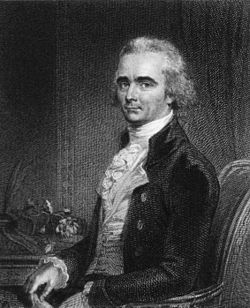
William Roxburgh
William Roxburgh FRSE FRCPE FLS (3/29 June 1751 – 18 February 1815) was a Scottish surgeon and botanist who worked extensively in India, describing species and working on economic botany. He is known as the founding father of Indian botany. He published numerous works on Indian botany, illustrated by careful drawings made by Indian artists and accompanied by taxonomic descriptions of many plant species. Apart from the numerous species that he named, many species were named in his honour by his collaborators. He was the first to document the existence of the Ganges river dolphin.
He was born on 29 June 1751 on the Underwood estate near Craigie in Ayrshire and christened on 29 June 1751 at the nearby church at Symington.
His father may have worked in the Underwood estate or he may have been the illegitimate son of a well-connected family. His early education was at Underwood parish school perhaps also with some time at Symington parish school, and he probably also had private tutoring in Latin, as demonstrated by his letters and some descriptions.
He studied medicine at Edinburgh University and matriculated around 1771 or 1772. He lived with the well-connected family of Dr John Boswell, living at "the back of the Meadows" in south Edinburgh during this period. He studied surgery under Dr Alexander Monro and learnt botany under John Hope. His studies included mathematics and physics, which would make him interested in precise quantification later in life in studies on hemp.
He joined (as a surgeon's mate) an East India Company ship Houghton in 1772 serving under surgeon Richard Ballantyne. He also served on the Queen in 1774. Several of these voyages took him to Madras and other ports in India. In 1776 he received his first doctorate (MD) from Edinburgh University.
He joined the Madras Medical Service as an Assistant Surgeon on 28 May 1776 and was promoted to the rank of Surgeon in 1780. He received a second doctorate (also MD) on 12 January 1790 from Marischal College in Aberdeen.
Roxburgh began work in the Carnatic region from 1781 and replaced Patrick Russell as the Company Botanist in Madras in April 1789. His early work was on botany as superintendent in the Samalkot garden in the Northern Circars. Here he conducted economic botany experiments. He employed native artists to illustrate plants. He had 700 illustrations by 1790. He then succeeded Patrick Russell (1727–1805) as Naturalist to the Madras Government in April 1789. From 1793, he and Andrew Ross established a garden at Corcondah, where they worked on sugarcane and indigo. He also studied the prospects of introducing sago and other food crops to help alleviate the effect of famine. He was invited to fill the position of Superintendent at the Calcutta Botanical Garden where the death of Colonel Robert Kyd had created a vacancy. He made rapid progress and acquired a good reputation and was later invited by the government of Bengal, to take charge of the Calcutta Botanical gardens from Colonel Robert Kyd in 1793 as Superintendent of the Company garden at Sibpur near Calcutta. A catalogue of the garden was made in 1814 – Hortus Bengalensis. He was succeeded by Francis Buchanan-Hamilton.
He had sent many illustrations to Sir Joseph Banks, who in May 1795, started publishing Plants of the coast of Coromandel in 3 volumes with over 300 drawings and descriptions of plants. The last part was published in March 1820. The names of the local artists who produced the botanical illustrations were not recorded.
William Roxburgh
William Roxburgh FRSE FRCPE FLS (3/29 June 1751 – 18 February 1815) was a Scottish surgeon and botanist who worked extensively in India, describing species and working on economic botany. He is known as the founding father of Indian botany. He published numerous works on Indian botany, illustrated by careful drawings made by Indian artists and accompanied by taxonomic descriptions of many plant species. Apart from the numerous species that he named, many species were named in his honour by his collaborators. He was the first to document the existence of the Ganges river dolphin.
He was born on 29 June 1751 on the Underwood estate near Craigie in Ayrshire and christened on 29 June 1751 at the nearby church at Symington.
His father may have worked in the Underwood estate or he may have been the illegitimate son of a well-connected family. His early education was at Underwood parish school perhaps also with some time at Symington parish school, and he probably also had private tutoring in Latin, as demonstrated by his letters and some descriptions.
He studied medicine at Edinburgh University and matriculated around 1771 or 1772. He lived with the well-connected family of Dr John Boswell, living at "the back of the Meadows" in south Edinburgh during this period. He studied surgery under Dr Alexander Monro and learnt botany under John Hope. His studies included mathematics and physics, which would make him interested in precise quantification later in life in studies on hemp.
He joined (as a surgeon's mate) an East India Company ship Houghton in 1772 serving under surgeon Richard Ballantyne. He also served on the Queen in 1774. Several of these voyages took him to Madras and other ports in India. In 1776 he received his first doctorate (MD) from Edinburgh University.
He joined the Madras Medical Service as an Assistant Surgeon on 28 May 1776 and was promoted to the rank of Surgeon in 1780. He received a second doctorate (also MD) on 12 January 1790 from Marischal College in Aberdeen.
Roxburgh began work in the Carnatic region from 1781 and replaced Patrick Russell as the Company Botanist in Madras in April 1789. His early work was on botany as superintendent in the Samalkot garden in the Northern Circars. Here he conducted economic botany experiments. He employed native artists to illustrate plants. He had 700 illustrations by 1790. He then succeeded Patrick Russell (1727–1805) as Naturalist to the Madras Government in April 1789. From 1793, he and Andrew Ross established a garden at Corcondah, where they worked on sugarcane and indigo. He also studied the prospects of introducing sago and other food crops to help alleviate the effect of famine. He was invited to fill the position of Superintendent at the Calcutta Botanical Garden where the death of Colonel Robert Kyd had created a vacancy. He made rapid progress and acquired a good reputation and was later invited by the government of Bengal, to take charge of the Calcutta Botanical gardens from Colonel Robert Kyd in 1793 as Superintendent of the Company garden at Sibpur near Calcutta. A catalogue of the garden was made in 1814 – Hortus Bengalensis. He was succeeded by Francis Buchanan-Hamilton.
He had sent many illustrations to Sir Joseph Banks, who in May 1795, started publishing Plants of the coast of Coromandel in 3 volumes with over 300 drawings and descriptions of plants. The last part was published in March 1820. The names of the local artists who produced the botanical illustrations were not recorded.
Recent media
Recent media