
Recent from talks
William Z. Foster
Knowledge base stats:
Talk channels stats:
Members stats:
William Z. Foster
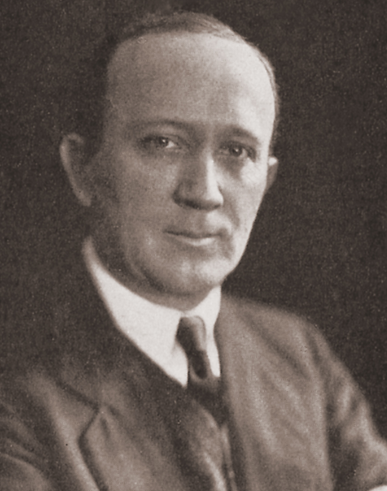
William Z. Foster (born William Edward Foster; February 25, 1881 – September 1, 1961) was a radical American labor organizer and Communist politician, whose career included serving as General Secretary of the Communist Party USA from 1945 to 1957. He was previously a member of the Socialist Party of America and the Industrial Workers of the World, leading the drive to organize packinghouse industry workers during World War I and the steel strike of 1919.
He was born William Edward Foster in Taunton, Massachusetts, on February 24, 1881, the son of a Fenian, James Foster, who had fled County Carlow after the failure of the revolutionary Fenian Rising in Ireland and the waves of arrests that drove hundreds of others out of the country. His mother, Elizabeth McLoughlin, was an English Catholic textile worker. During his peripatetic childhood his mother had nine surviving children of 23 babies she bore.
His family moved to the Irish area of Skittereen within the Moyamensing neighborhood of South Philadelphia, where his father worked as a stableman and was part of a group of Irish-American Fenians. Foster left school at the age of ten to apprentice himself to a dye sinker. Foster left that position three years later to work in a white lead factory. Over the next ten years he worked in fertilizer plants in Reading, Pennsylvania and Jacksonville, Florida, as a railroad construction worker and sawmill employee in Florida, as a streetcar motorman in New York City, as a lumber camp and longshoreman in Portland, Oregon and as a sailor. Foster even homesteaded for a year in Oregon in 1905, although he also worked a series of odd jobs as a miner, sheepherder, sawmill worker and railroad employee during that year before abandoning the farm.
Foster joined the Socialist Party of America in 1901 and was a member in the party's Washington state affiliate until he left the party in the midst of a faction fight. Foster then joined the Industrial Workers of the World (IWW) in 1909, when he took part in one of the IWW's free speech fights in Spokane, Washington.
Foster became a prominent figure within the union, serving as its representative at an international labor conference in Budapest in 1911 and a contributor to its papers. Foster's politics, however, were moving him away from the IWW. He became a committed syndicalist after touring Europe in 1910 and 1911, and criticized the IWW for not working within established unions or within the workshop in any event. He urged American leftists to enter the AFL unions, rather than establish rival unions, as the IWW had tried to do. He also denounced electoral politics as a dead end that smothered the revolutionary ardor of these groups by channeling their energies into pursuit of office, with all the compromises that entails. Foster lost the battle, however, and soon thereafter left the IWW and formed his own organization, the Syndicalist League of North America (SLNA).
The SLNA's policies—direct action at the shopfloor-level leading to workers' governance of society, but without the dead weight of bureaucratic structures—bore a strong resemblance to the anarchist thinking of the day. That is not coincidental, since Foster was not only lecturing at anarchist groups and settlements, but became a close working associate with Jay Fox, an anarchist with roots in the Chicago labor movement, and married Ester Abramowitz, who had belonged to an anarchist collective in Washington. Among the other members of the SLNA were Tom Mooney (who became a labor martyr when imprisoned for allegedly throwing a bomb at a Preparedness Day parade in 1916), Earl Browder, an accountant and union activist in Kansas City and Foster's rival for the Presidency of the Communist Party twenty years later, and James P. Cannon, a member of the IWW and one of Foster's allies in the internal warfare within the CPUSA until he was expelled for Trotskyism. The SLNA, however, was never an effective force and folded in 1914.
Foster took his own advice and became a union business agent for a local of the Brotherhood of Railway Carmen of America in Chicago. He continued his syndicalist campaign, this time through the International Trade Union Educational League, while obtaining a position as a general organizer for the AFL in 1915. His syndicalism led him to drop any criticism of the more conservative union leaders; in his eyes, organizing workers was a step toward dismantling capitalism. The ITUEL did not so much seek to take power in those organizations in which its members were active, as to steer them in a more progressive direction.
Foster also tempered his politics at this time. He did not publicly oppose the United States' entry into the war, as Eugene V. Debs, Victor Berger and figures associated with the IWW had done, but also helped sell war bonds in 1918, as did many other labor advocates such as Mother Jones. Foster also remained quiet when the government arrested hundreds of IWW activists, convicting them en masse in 1918.
Hub AI
William Z. Foster AI simulator
(@William Z. Foster_simulator)
William Z. Foster
William Z. Foster (born William Edward Foster; February 25, 1881 – September 1, 1961) was a radical American labor organizer and Communist politician, whose career included serving as General Secretary of the Communist Party USA from 1945 to 1957. He was previously a member of the Socialist Party of America and the Industrial Workers of the World, leading the drive to organize packinghouse industry workers during World War I and the steel strike of 1919.
He was born William Edward Foster in Taunton, Massachusetts, on February 24, 1881, the son of a Fenian, James Foster, who had fled County Carlow after the failure of the revolutionary Fenian Rising in Ireland and the waves of arrests that drove hundreds of others out of the country. His mother, Elizabeth McLoughlin, was an English Catholic textile worker. During his peripatetic childhood his mother had nine surviving children of 23 babies she bore.
His family moved to the Irish area of Skittereen within the Moyamensing neighborhood of South Philadelphia, where his father worked as a stableman and was part of a group of Irish-American Fenians. Foster left school at the age of ten to apprentice himself to a dye sinker. Foster left that position three years later to work in a white lead factory. Over the next ten years he worked in fertilizer plants in Reading, Pennsylvania and Jacksonville, Florida, as a railroad construction worker and sawmill employee in Florida, as a streetcar motorman in New York City, as a lumber camp and longshoreman in Portland, Oregon and as a sailor. Foster even homesteaded for a year in Oregon in 1905, although he also worked a series of odd jobs as a miner, sheepherder, sawmill worker and railroad employee during that year before abandoning the farm.
Foster joined the Socialist Party of America in 1901 and was a member in the party's Washington state affiliate until he left the party in the midst of a faction fight. Foster then joined the Industrial Workers of the World (IWW) in 1909, when he took part in one of the IWW's free speech fights in Spokane, Washington.
Foster became a prominent figure within the union, serving as its representative at an international labor conference in Budapest in 1911 and a contributor to its papers. Foster's politics, however, were moving him away from the IWW. He became a committed syndicalist after touring Europe in 1910 and 1911, and criticized the IWW for not working within established unions or within the workshop in any event. He urged American leftists to enter the AFL unions, rather than establish rival unions, as the IWW had tried to do. He also denounced electoral politics as a dead end that smothered the revolutionary ardor of these groups by channeling their energies into pursuit of office, with all the compromises that entails. Foster lost the battle, however, and soon thereafter left the IWW and formed his own organization, the Syndicalist League of North America (SLNA).
The SLNA's policies—direct action at the shopfloor-level leading to workers' governance of society, but without the dead weight of bureaucratic structures—bore a strong resemblance to the anarchist thinking of the day. That is not coincidental, since Foster was not only lecturing at anarchist groups and settlements, but became a close working associate with Jay Fox, an anarchist with roots in the Chicago labor movement, and married Ester Abramowitz, who had belonged to an anarchist collective in Washington. Among the other members of the SLNA were Tom Mooney (who became a labor martyr when imprisoned for allegedly throwing a bomb at a Preparedness Day parade in 1916), Earl Browder, an accountant and union activist in Kansas City and Foster's rival for the Presidency of the Communist Party twenty years later, and James P. Cannon, a member of the IWW and one of Foster's allies in the internal warfare within the CPUSA until he was expelled for Trotskyism. The SLNA, however, was never an effective force and folded in 1914.
Foster took his own advice and became a union business agent for a local of the Brotherhood of Railway Carmen of America in Chicago. He continued his syndicalist campaign, this time through the International Trade Union Educational League, while obtaining a position as a general organizer for the AFL in 1915. His syndicalism led him to drop any criticism of the more conservative union leaders; in his eyes, organizing workers was a step toward dismantling capitalism. The ITUEL did not so much seek to take power in those organizations in which its members were active, as to steer them in a more progressive direction.
Foster also tempered his politics at this time. He did not publicly oppose the United States' entry into the war, as Eugene V. Debs, Victor Berger and figures associated with the IWW had done, but also helped sell war bonds in 1918, as did many other labor advocates such as Mother Jones. Foster also remained quiet when the government arrested hundreds of IWW activists, convicting them en masse in 1918.
Recent media