
Recent from talks
Wuzi
Knowledge base stats:
Talk channels stats:
Members stats:
Wuzi
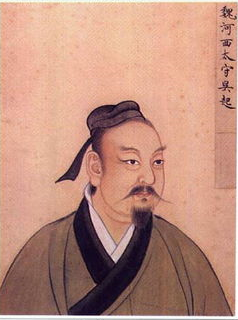
The Wuzi is a classic Chinese work on military strategy attributed to Wu Qi. It is considered one of China's Seven Military Classics.
It is said there were two books on the art of war by Wu Qi, but one was lost, hence leaving the Wuzi as the only existing book carrying Wu Qi's military thoughts. The oldest extant published Wuzi edition that survives dates to the Song dynasty (960–1279). Because of the lack of surviving copies, there is no consensus among modern scholars concerning the latest date of the Wuzi's final composition, but the core of the work is nominally assumed to have been composed around Wu Qi's lifetime (440–381 BC), in the mid-Warring States period. Historical references indicate that the Wuzi was very famous and popular in both the Warring States period and in the Han dynasty. In addition to strategic/tactical studies and the philosophy of war, the Wuzi pays significant attention to the logistical achievement of war preparedness.
The philosophical content of the work mainly consists of a synthesis between Confucianism and Legalism. The work attempts to resolve a humanistic (Confucian) concern for moral values and benevolent government with an administrative (Legalist) need for strict, predictable rewards and punishments. The attempted synthesis between Confucian and Legalist values is common to other military treatises dated more conclusively to the Warring States period.
The present text of the Wuzi consists of six sections, each focusing on a critical aspect of military affairs: Planning for the State; Evaluating the Enemy; Controlling the Army; the Tao of the General; Responding to Change; and, Stimulating the Officers. Although each chapter is less concentrated than the traditional topic headings would suggest, they depict the subject matter and general scope of the book as a whole.
As a young man, Wu Qi spent a formative three years as a student of Confucianism. After gaining several years of administrative experience, he came to believe that, in order for benevolence and righteousness to survive in his time, military strength and preparation were necessary. Without a strong military to defend the just, he believed that Confucian virtues would disappear, and evil would dominate the world. Because of his emphasis on the importance of the military for safeguarding civil rights and liberty, the author of the Wuzi states that commanders must be selected carefully, ideally from those possessing courage and who excelled in military arts, but who also possessed good civil administration skills, and who displayed Confucian virtues, particularly those of wisdom and self-control.
Because armies in the Warring States were heavily dependent on the horse, both for transportation and for the power of the chariot, the Wuzi places a greater importance and focus on raising and maintaining a force of cavalry more than on maintaining infantry in its discussions of logistics. Because of the shift away from warfare fought among nobility, towards the mass mobilization of civilian armies, the Wuzi stresses the importance of gaining the strong support and loyalty of the common people. Because of its focus on the importance of civil administration as a necessary aid to military strength, the Wuzi stresses the implementation of Confucian policies designed to improve the material welfare of the people, gain their emotional support, and support their moral virtues.
Harmony and organization are equally important to each other: without harmony, an organization will not be cohesive; but, without organization, harmony will not be effective in achieving collective goals. There are three steps to achieving a disciplined, effective fighting force: proper organization; extensive training; and, thorough motivation. It is only after the creation of a disciplined, cohesive army that achieving victory becomes a matter of tactics and strategy. Much of the Wuzi discusses the means to achieve such a force.
Regarding the Legalist theories of achieving desired action through the proper exercise of reward and punishment, the Wuzi states that rewards and punishments are, by themselves, insufficient: excessive reward may cause individuals to pursue profit and glory at the expense of the group, while excessive punishment can lower morale, in the worst cases forcing men to flee service rather than face the consequences of failure. In addition to reward and punishment, the general should inculcate (essentially pseudo-Confucian) values into his soldiers: men fighting for what they believe is a moral cause will prefer death to living ignominiously, improving the chances of success for both the individual soldier and the army as a whole. It is only with the combination of both moral focus and effective rewards and punishments that the army will become a disciplined, spirited, strongly motivated force.
Hub AI
Wuzi AI simulator
(@Wuzi_simulator)
Wuzi
The Wuzi is a classic Chinese work on military strategy attributed to Wu Qi. It is considered one of China's Seven Military Classics.
It is said there were two books on the art of war by Wu Qi, but one was lost, hence leaving the Wuzi as the only existing book carrying Wu Qi's military thoughts. The oldest extant published Wuzi edition that survives dates to the Song dynasty (960–1279). Because of the lack of surviving copies, there is no consensus among modern scholars concerning the latest date of the Wuzi's final composition, but the core of the work is nominally assumed to have been composed around Wu Qi's lifetime (440–381 BC), in the mid-Warring States period. Historical references indicate that the Wuzi was very famous and popular in both the Warring States period and in the Han dynasty. In addition to strategic/tactical studies and the philosophy of war, the Wuzi pays significant attention to the logistical achievement of war preparedness.
The philosophical content of the work mainly consists of a synthesis between Confucianism and Legalism. The work attempts to resolve a humanistic (Confucian) concern for moral values and benevolent government with an administrative (Legalist) need for strict, predictable rewards and punishments. The attempted synthesis between Confucian and Legalist values is common to other military treatises dated more conclusively to the Warring States period.
The present text of the Wuzi consists of six sections, each focusing on a critical aspect of military affairs: Planning for the State; Evaluating the Enemy; Controlling the Army; the Tao of the General; Responding to Change; and, Stimulating the Officers. Although each chapter is less concentrated than the traditional topic headings would suggest, they depict the subject matter and general scope of the book as a whole.
As a young man, Wu Qi spent a formative three years as a student of Confucianism. After gaining several years of administrative experience, he came to believe that, in order for benevolence and righteousness to survive in his time, military strength and preparation were necessary. Without a strong military to defend the just, he believed that Confucian virtues would disappear, and evil would dominate the world. Because of his emphasis on the importance of the military for safeguarding civil rights and liberty, the author of the Wuzi states that commanders must be selected carefully, ideally from those possessing courage and who excelled in military arts, but who also possessed good civil administration skills, and who displayed Confucian virtues, particularly those of wisdom and self-control.
Because armies in the Warring States were heavily dependent on the horse, both for transportation and for the power of the chariot, the Wuzi places a greater importance and focus on raising and maintaining a force of cavalry more than on maintaining infantry in its discussions of logistics. Because of the shift away from warfare fought among nobility, towards the mass mobilization of civilian armies, the Wuzi stresses the importance of gaining the strong support and loyalty of the common people. Because of its focus on the importance of civil administration as a necessary aid to military strength, the Wuzi stresses the implementation of Confucian policies designed to improve the material welfare of the people, gain their emotional support, and support their moral virtues.
Harmony and organization are equally important to each other: without harmony, an organization will not be cohesive; but, without organization, harmony will not be effective in achieving collective goals. There are three steps to achieving a disciplined, effective fighting force: proper organization; extensive training; and, thorough motivation. It is only after the creation of a disciplined, cohesive army that achieving victory becomes a matter of tactics and strategy. Much of the Wuzi discusses the means to achieve such a force.
Regarding the Legalist theories of achieving desired action through the proper exercise of reward and punishment, the Wuzi states that rewards and punishments are, by themselves, insufficient: excessive reward may cause individuals to pursue profit and glory at the expense of the group, while excessive punishment can lower morale, in the worst cases forcing men to flee service rather than face the consequences of failure. In addition to reward and punishment, the general should inculcate (essentially pseudo-Confucian) values into his soldiers: men fighting for what they believe is a moral cause will prefer death to living ignominiously, improving the chances of success for both the individual soldier and the army as a whole. It is only with the combination of both moral focus and effective rewards and punishments that the army will become a disciplined, spirited, strongly motivated force.
Recent media