
Recent from talks
Zalmon G. Simmons
Knowledge base stats:
Talk channels stats:
Members stats:
Zalmon G. Simmons
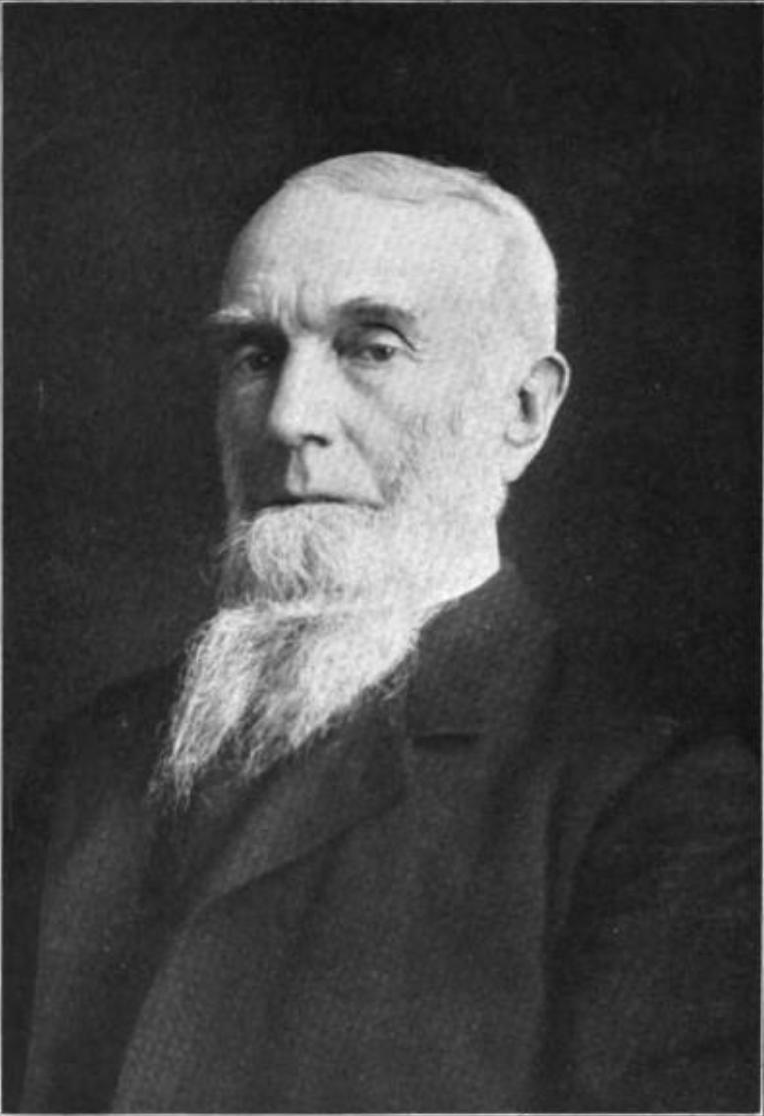
Zalmon Gilbert Simmons Sr. (September 10, 1828 – February 11, 1910) was an American businessman, politician, and Wisconsin pioneer. In business, Simmons was initially successful as an investor and officer in the Wisconsin State Telegraph Company, which through acquisitions and mergers later became part of the Western Union Telegraph Company. While working in that business, he founded the Simmons Company. As an investor and philanthropist, he was a major contributor to the early economic and cultural development of the city of Kenosha, Wisconsin. He served as the 26th mayor of Kenosha (1884 & 1885), and represented Kenosha in the Wisconsin State Assembly in the 1865 term. Simmons Island in Kenosha is named for him, the land was formerly part of his estate.
Born September 10, 1828, to Ezra and Mary Gilbert Simmons in Euphrates, Montgomery County, New York, Soon after Zalmon was born, the family moved to Oneida County, New York, and established a farm. After 1839, the family moved to Benton Township, Lake County, Illinois, where Zalmon attended common schools during the winter months. On June 12, 1843, the family moved to Southport (now Kenosha), Wisconsin. Simmons came to Kenosha with US$3 (equivalent to $113 in 2024) when he was 15 or 21 years of age. His brother was Rouse Simmons who also served in the Wisconsin State Assembly for Kenosha. Rouse was a member of the Republican party and served in 1875.
Simmons completed his schooling in Kenosha and then worked as a teacher between 18 and 21 years of age.
Among his pursuits, Simmons was the president of the First National Bank of Kenosha, Northwest Telegraphy Company, and the Rock Island Railway Company. In 1859, he was the president of the Kenosha and Rockford Railway Company, while also working at the Wisconsin State Telegraph Company.
Beginning at the age of 21, Simmons worked as a general store clerk for pioneer Seth Doan for $200 (equivalent to $7,559 in 2024) per year. Due to Mr. Doan's ill health, Simmons ran the store after six months employment. He bought the store after working there 16 or 18 months. He ran the store successfully for 12 years, until he sought other interests.
Simmons acquired half interest in the Wisconsin State Telegraph Company in 1856, became a director, and in December 1858 became its secretary and treasurer. In 1864, he was made president. The company became the North-West Telegraphy company when it merged with the Minnesota State Telegraph Company in 1865. Simmons was elected president of the new company. He remained president until 1881, when the company leased its lines to the Western Union Telegraph Company. At the time that Simmons invested in the company, it was almost worthless and had service only between Milwaukee and Madison. Simmons extended service into remote areas, with lines established through nearly impenetrable swamps and forests.
Simmons was on the board of directors of the Western Union Telegraph Company. Simmons designed a wooden telegraph insulator and on April 16, 1871, purchased a cheesebox factory that became the Simmons Manufacturing Company to manufacture the insulators.
One of his general store customers paid for merchandise with a patent for a woven wire bedspring. At that time, mattresses were made of cotton or horsehair. Simmons took the ideas from the patent and found a way to make the cost of manufacturing affordable. In 1870, Simmons founded what would become the Simmons Bedding Company, but the market had not yet developed for spring beds. Instead, Simmons manufactured brass beds that were sold domestically and internationally. The Northwestern Wire Mattress Company was incorporated in 1884 and in 1889 the name was changed to Simmons Manufacturing Company. In 1925, Simmons produced the Beautyrest mattress, for which the company is best known. It was sold at three to four times the cost of wire mattresses at the time for $39.50 (equivalent to $708 in 2024) and four years later had sold more than $9 million (equivalent to $164,808,140 in 2024) of the mattresses. The company introduced the pull-out bed, Hide-a-Bed, in 1940. By 1941, the company made springs, mattresses, steel beds and furniture and employed about 2,500 men. During World War II, it produced 2,700 different products needed to support the war effort.
Hub AI
Zalmon G. Simmons AI simulator
(@Zalmon G. Simmons_simulator)
Zalmon G. Simmons
Zalmon Gilbert Simmons Sr. (September 10, 1828 – February 11, 1910) was an American businessman, politician, and Wisconsin pioneer. In business, Simmons was initially successful as an investor and officer in the Wisconsin State Telegraph Company, which through acquisitions and mergers later became part of the Western Union Telegraph Company. While working in that business, he founded the Simmons Company. As an investor and philanthropist, he was a major contributor to the early economic and cultural development of the city of Kenosha, Wisconsin. He served as the 26th mayor of Kenosha (1884 & 1885), and represented Kenosha in the Wisconsin State Assembly in the 1865 term. Simmons Island in Kenosha is named for him, the land was formerly part of his estate.
Born September 10, 1828, to Ezra and Mary Gilbert Simmons in Euphrates, Montgomery County, New York, Soon after Zalmon was born, the family moved to Oneida County, New York, and established a farm. After 1839, the family moved to Benton Township, Lake County, Illinois, where Zalmon attended common schools during the winter months. On June 12, 1843, the family moved to Southport (now Kenosha), Wisconsin. Simmons came to Kenosha with US$3 (equivalent to $113 in 2024) when he was 15 or 21 years of age. His brother was Rouse Simmons who also served in the Wisconsin State Assembly for Kenosha. Rouse was a member of the Republican party and served in 1875.
Simmons completed his schooling in Kenosha and then worked as a teacher between 18 and 21 years of age.
Among his pursuits, Simmons was the president of the First National Bank of Kenosha, Northwest Telegraphy Company, and the Rock Island Railway Company. In 1859, he was the president of the Kenosha and Rockford Railway Company, while also working at the Wisconsin State Telegraph Company.
Beginning at the age of 21, Simmons worked as a general store clerk for pioneer Seth Doan for $200 (equivalent to $7,559 in 2024) per year. Due to Mr. Doan's ill health, Simmons ran the store after six months employment. He bought the store after working there 16 or 18 months. He ran the store successfully for 12 years, until he sought other interests.
Simmons acquired half interest in the Wisconsin State Telegraph Company in 1856, became a director, and in December 1858 became its secretary and treasurer. In 1864, he was made president. The company became the North-West Telegraphy company when it merged with the Minnesota State Telegraph Company in 1865. Simmons was elected president of the new company. He remained president until 1881, when the company leased its lines to the Western Union Telegraph Company. At the time that Simmons invested in the company, it was almost worthless and had service only between Milwaukee and Madison. Simmons extended service into remote areas, with lines established through nearly impenetrable swamps and forests.
Simmons was on the board of directors of the Western Union Telegraph Company. Simmons designed a wooden telegraph insulator and on April 16, 1871, purchased a cheesebox factory that became the Simmons Manufacturing Company to manufacture the insulators.
One of his general store customers paid for merchandise with a patent for a woven wire bedspring. At that time, mattresses were made of cotton or horsehair. Simmons took the ideas from the patent and found a way to make the cost of manufacturing affordable. In 1870, Simmons founded what would become the Simmons Bedding Company, but the market had not yet developed for spring beds. Instead, Simmons manufactured brass beds that were sold domestically and internationally. The Northwestern Wire Mattress Company was incorporated in 1884 and in 1889 the name was changed to Simmons Manufacturing Company. In 1925, Simmons produced the Beautyrest mattress, for which the company is best known. It was sold at three to four times the cost of wire mattresses at the time for $39.50 (equivalent to $708 in 2024) and four years later had sold more than $9 million (equivalent to $164,808,140 in 2024) of the mattresses. The company introduced the pull-out bed, Hide-a-Bed, in 1940. By 1941, the company made springs, mattresses, steel beds and furniture and employed about 2,500 men. During World War II, it produced 2,700 different products needed to support the war effort.
Recent media