jing hao wang
jing hao wang
Main page
2656543
Message

jing hao wang

(@392806317wang)
Personal Hub0 subscribers
Hub photo

jing hao wang doesn't have any subscribers yet.

jing hao wang hasn't subscribed to any hubs yet.

What are your thoughts?
author image
392806317wang2 mo. ago
general
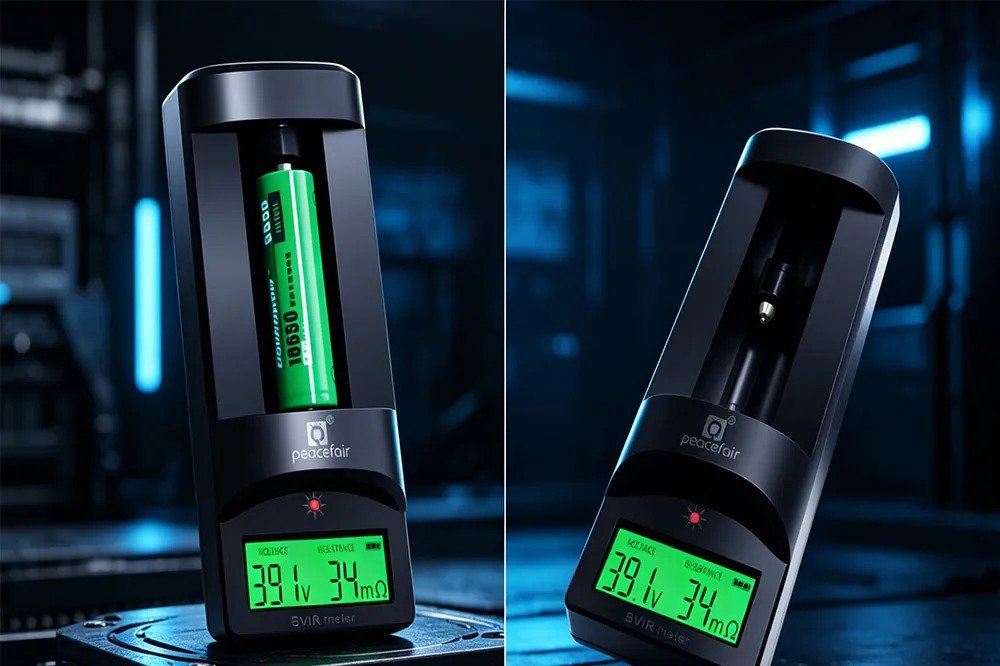
18650 Battery Internal Resistance: What Bulk Buyers Should Really Pay Attention To

When people compare 18650 batteries, most start with capacity.

2200mAh, 2600mAh… numbers are easy to understand.

But once you actually start testing cells or building packs, you’ll notice something:

Internal resistance matters just as much — sometimes more.


What Internal Resistance Really Affects​

You won’t always see it clearly in a product listing.

But internal resistance shows up quickly in real use.

Cells with higher or inconsistent resistance tend to:

  • Heat up faster under load

  • Drop voltage more noticeably

  • Deliver less usable power

  • Age faster over repeated cycles

At the beginning, everything may look fine.

After a few cycles, the difference becomes obvious.

Why It Matters More in Battery Packs​

If you’re only using a single cell, the impact is limited.

But in battery packs, it’s a different story.

Once you connect cells in series or parallel:

  • Small resistance differences get amplified

  • The pack becomes harder to balance

  • Weak cells drag down the whole system

This is why two packs with the same capacity can perform very differently.

The Real Issue: Consistency, Not Just Value​

A lot of buyers ask:

“What’s a good internal resistance number?”

That’s not the most important question.

What matters more is how consistent the cells are within the same batch.

For example:

  • A batch with slightly higher but very consistent resistance → usually stable

  • A batch with mixed resistance values → much higher risk

In pack assembly, consistency is what keeps everything predictable.

How Suppliers Handle This (or Don’t)​

This is where pricing differences often come from.

Reliable suppliers usually:

  • Test and sort cells by internal resistance

  • Keep batches well matched

  • Control variation within a tight range

Lower-cost suppliers may:

  • Skip strict sorting

  • Mix cells from different batches

  • Provide only nominal specs without real data

On paper, both may look the same.

In production, they don’t behave the same.

What You Should Ask Before Buying in Bulk​

Instead of only asking for capacity, try asking:

  • What is the typical internal resistance range?

  • How tight is the tolerance within a batch?

  • Are cells sorted before shipment?

  • Can you provide test data or reports?

If a supplier can’t answer clearly, that’s usually a sign.

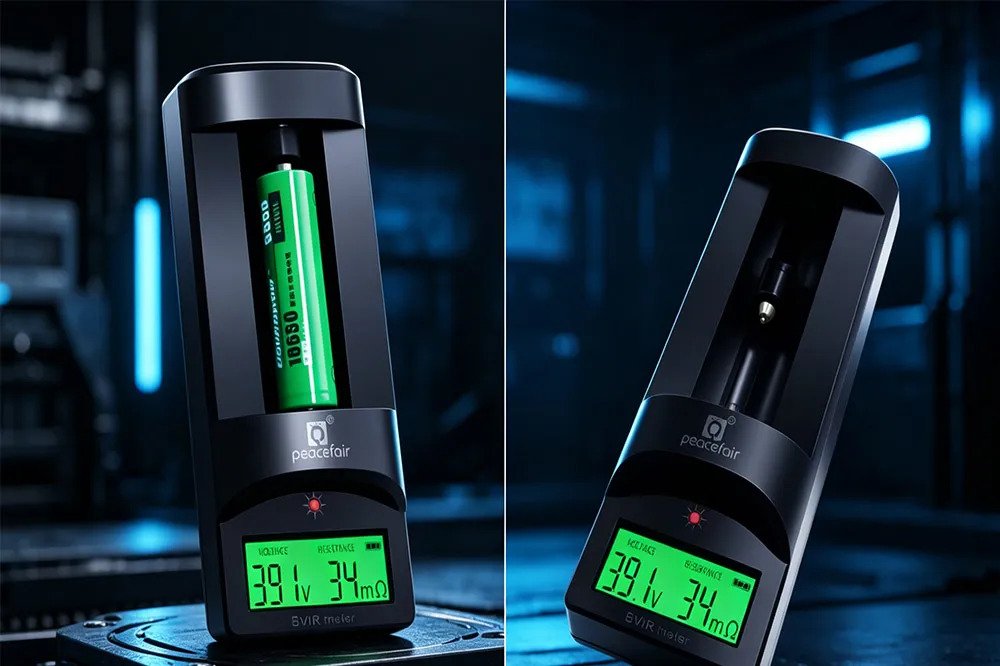
A Simple Way to Check It Yourself​

Many buyers don’t rely only on supplier data.

They do a quick check after receiving samples:

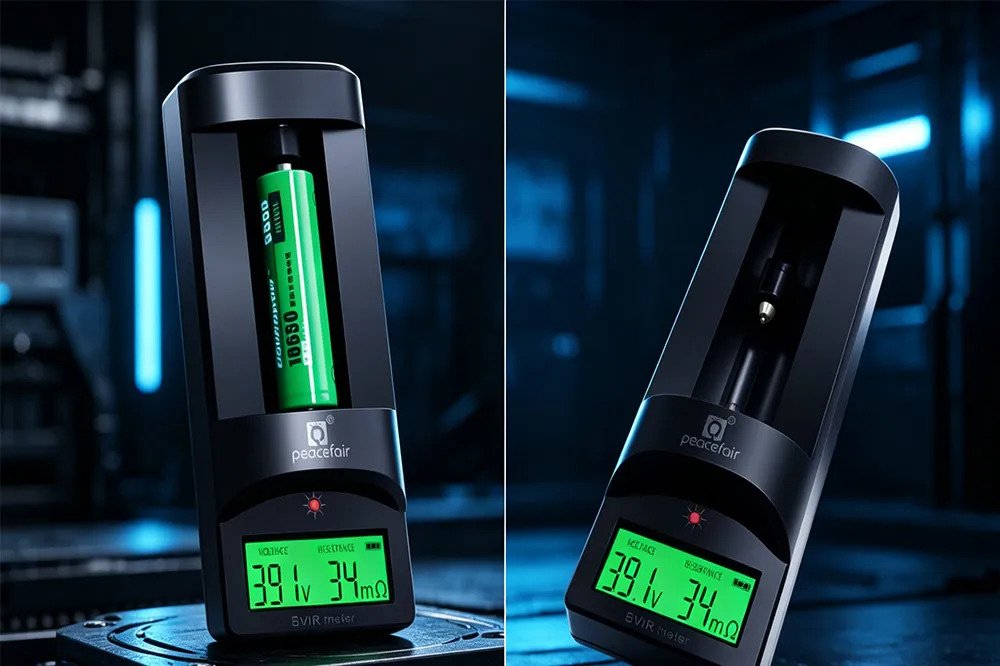
  • Measure internal resistance across multiple cells

  • Compare variation, not just average value

  • Build a small test pack if needed

It doesn’t take long, but it can save a lot of trouble later.

One Common Misunderstanding​

Some buyers focus only on getting the lowest resistance.

Lower is generally better — but only to a point.

A slightly higher but stable resistance is often more reliable than a low but inconsistent batch.

Final Thought​

Capacity gets the attention.

Internal resistance decides how the battery actually performs.

If you’re buying 18650 batteries for bulk projects or pack assembly, this is one spec you don’t want to ignore.
post image 1
0
author image
392806317wang2 mo. ago
general
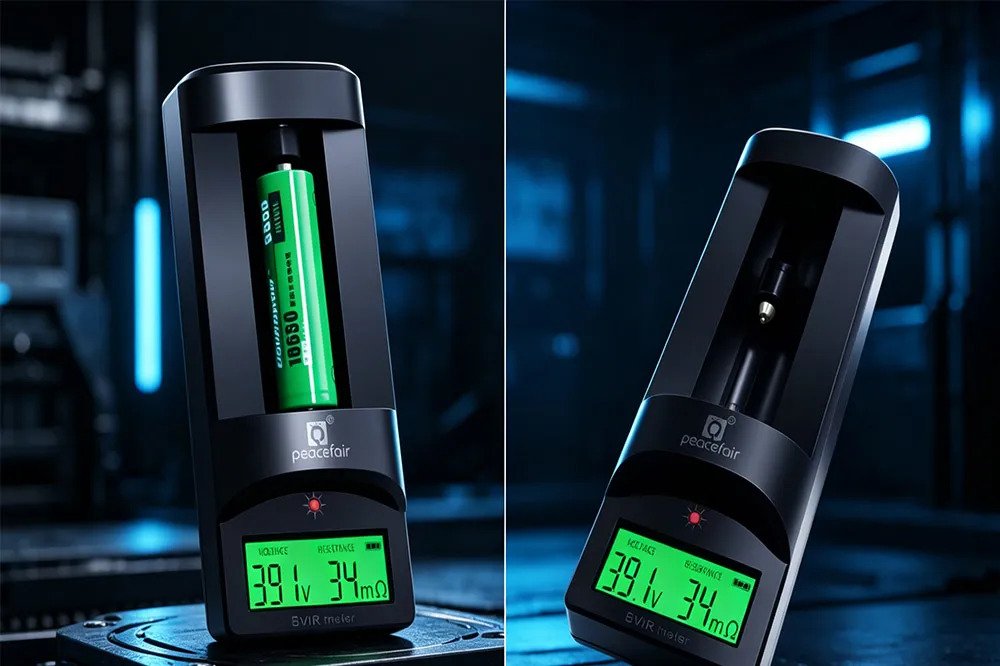
18650 Battery Internal Resistance: What Bulk Buyers Should Really Pay Attention To

When people compare 18650 batteries, most start with capacity.

2200mAh, 2600mAh… numbers are easy to understand.

But once you actually start testing cells or building packs, you’ll notice something:

Internal resistance matters just as much — sometimes more.


What Internal Resistance Really Affects​

You won’t always see it clearly in a product listing.

But internal resistance shows up quickly in real use.

Cells with higher or inconsistent resistance tend to:

  • Heat up faster under load

  • Drop voltage more noticeably

  • Deliver less usable power

  • Age faster over repeated cycles

At the beginning, everything may look fine.

After a few cycles, the difference becomes obvious.

Why It Matters More in Battery Packs​

If you’re only using a single cell, the impact is limited.

But in battery packs, it’s a different story.

Once you connect cells in series or parallel:

  • Small resistance differences get amplified

  • The pack becomes harder to balance

  • Weak cells drag down the whole system

This is why two packs with the same capacity can perform very differently.

The Real Issue: Consistency, Not Just Value​

A lot of buyers ask:

“What’s a good internal resistance number?”

That’s not the most important question.

What matters more is how consistent the cells are within the same batch.

For example:

  • A batch with slightly higher but very consistent resistance → usually stable

  • A batch with mixed resistance values → much higher risk

In pack assembly, consistency is what keeps everything predictable.

How Suppliers Handle This (or Don’t)​

This is where pricing differences often come from.

Reliable suppliers usually:

  • Test and sort cells by internal resistance

  • Keep batches well matched

  • Control variation within a tight range

Lower-cost suppliers may:

  • Skip strict sorting

  • Mix cells from different batches

  • Provide only nominal specs without real data

On paper, both may look the same.

In production, they don’t behave the same.

What You Should Ask Before Buying in Bulk​

Instead of only asking for capacity, try asking:

  • What is the typical internal resistance range?

  • How tight is the tolerance within a batch?

  • Are cells sorted before shipment?

  • Can you provide test data or reports?

If a supplier can’t answer clearly, that’s usually a sign.

A Simple Way to Check It Yourself​

Many buyers don’t rely only on supplier data.

They do a quick check after receiving samples:

  • Measure internal resistance across multiple cells

  • Compare variation, not just average value

  • Build a small test pack if needed

It doesn’t take long, but it can save a lot of trouble later.

One Common Misunderstanding​

Some buyers focus only on getting the lowest resistance.

Lower is generally better — but only to a point.

A slightly higher but stable resistance is often more reliable than a low but inconsistent batch.

Final Thought​

Capacity gets the attention.

Internal resistance decides how the battery actually performs.

If you’re buying 18650 batteries for bulk projects or pack assembly, this is one spec you don’t want to ignore.
post image 1
0
author image
392806317wang2 mo. ago
general
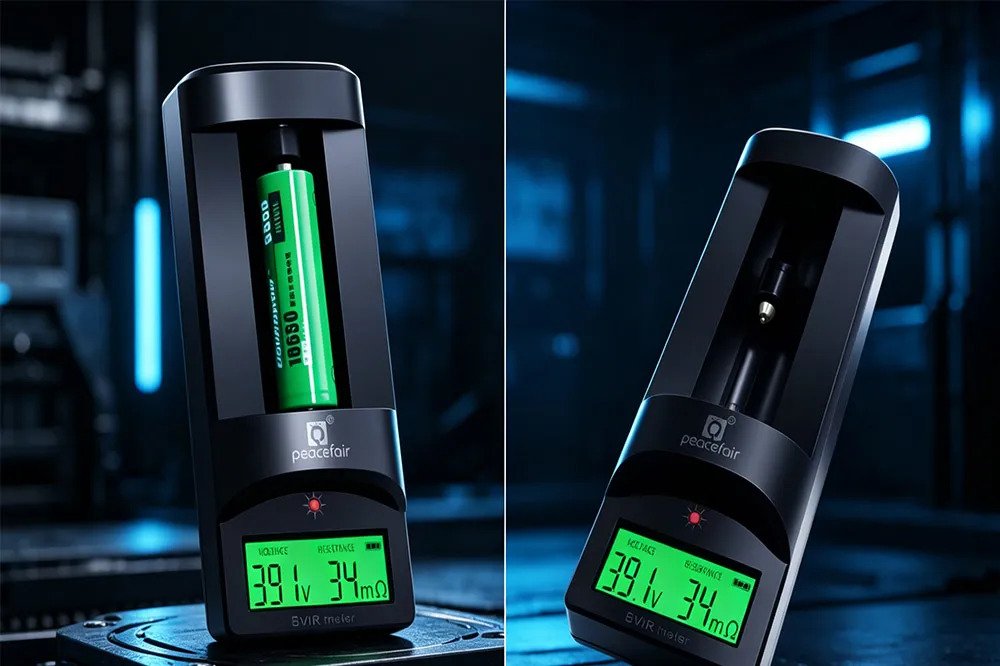
18650 Battery Internal Resistance: What Bulk Buyers Should Really Pay Attention To

When people compare 18650 batteries, most start with capacity.

2200mAh, 2600mAh… numbers are easy to understand.

But once you actually start testing cells or building packs, you’ll notice something:

Internal resistance matters just as much — sometimes more.


What Internal Resistance Really Affects​

You won’t always see it clearly in a product listing.

But internal resistance shows up quickly in real use.

Cells with higher or inconsistent resistance tend to:

  • Heat up faster under load

  • Drop voltage more noticeably

  • Deliver less usable power

  • Age faster over repeated cycles

At the beginning, everything may look fine.

After a few cycles, the difference becomes obvious.

Why It Matters More in Battery Packs​

If you’re only using a single cell, the impact is limited.

But in battery packs, it’s a different story.

Once you connect cells in series or parallel:

  • Small resistance differences get amplified

  • The pack becomes harder to balance

  • Weak cells drag down the whole system

This is why two packs with the same capacity can perform very differently.

The Real Issue: Consistency, Not Just Value​

A lot of buyers ask:

“What’s a good internal resistance number?”

That’s not the most important question.

What matters more is how consistent the cells are within the same batch.

For example:

  • A batch with slightly higher but very consistent resistance → usually stable

  • A batch with mixed resistance values → much higher risk

In pack assembly, consistency is what keeps everything predictable.

How Suppliers Handle This (or Don’t)​

This is where pricing differences often come from.

Reliable suppliers usually:

  • Test and sort cells by internal resistance

  • Keep batches well matched

  • Control variation within a tight range

Lower-cost suppliers may:

  • Skip strict sorting

  • Mix cells from different batches

  • Provide only nominal specs without real data

On paper, both may look the same.

In production, they don’t behave the same.

What You Should Ask Before Buying in Bulk​

Instead of only asking for capacity, try asking:

  • What is the typical internal resistance range?

  • How tight is the tolerance within a batch?

  • Are cells sorted before shipment?

  • Can you provide test data or reports?

If a supplier can’t answer clearly, that’s usually a sign.

A Simple Way to Check It Yourself​

Many buyers don’t rely only on supplier data.

They do a quick check after receiving samples:

  • Measure internal resistance across multiple cells

  • Compare variation, not just average value

  • Build a small test pack if needed

It doesn’t take long, but it can save a lot of trouble later.

One Common Misunderstanding​

Some buyers focus only on getting the lowest resistance.

Lower is generally better — but only to a point.

A slightly higher but stable resistance is often more reliable than a low but inconsistent batch.

Final Thought​

Capacity gets the attention.

Internal resistance decides how the battery actually performs.

If you’re buying 18650 batteries for bulk projects or pack assembly, this is one spec you don’t want to ignore.
post image 1
0
author image
392806317wang2 mo. ago
general
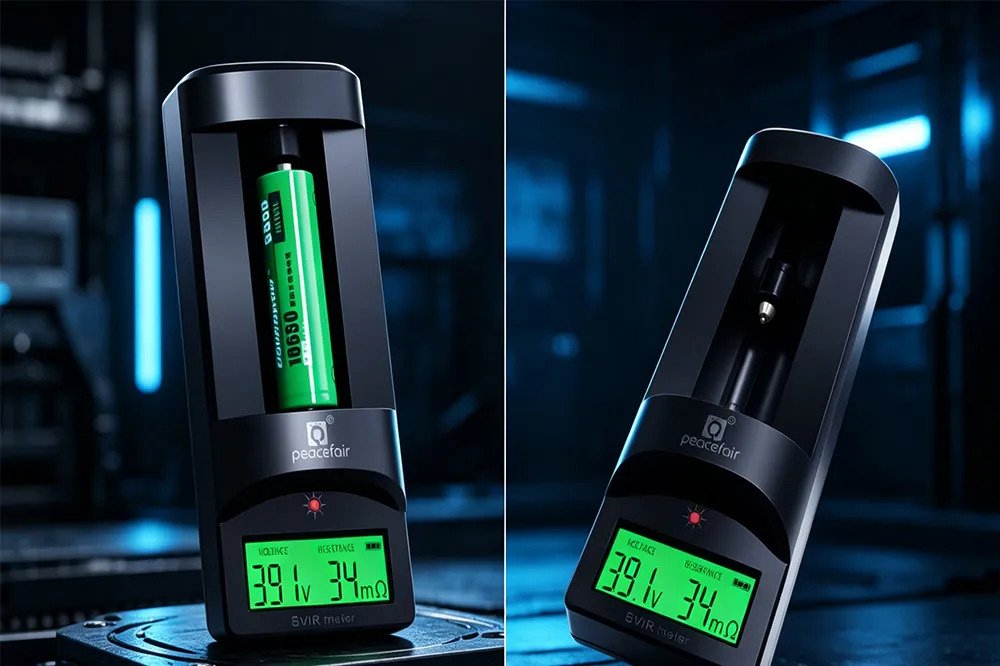
18650 Battery Internal Resistance: What Bulk Buyers Should Really Pay Attention To

When people compare 18650 batteries, most start with capacity.

2200mAh, 2600mAh… numbers are easy to understand.

But once you actually start testing cells or building packs, you’ll notice something:

Internal resistance matters just as much — sometimes more.


What Internal Resistance Really Affects​

You won’t always see it clearly in a product listing.

But internal resistance shows up quickly in real use.

Cells with higher or inconsistent resistance tend to:

  • Heat up faster under load

  • Drop voltage more noticeably

  • Deliver less usable power

  • Age faster over repeated cycles

At the beginning, everything may look fine.

After a few cycles, the difference becomes obvious.

Why It Matters More in Battery Packs​

If you’re only using a single cell, the impact is limited.

But in battery packs, it’s a different story.

Once you connect cells in series or parallel:

  • Small resistance differences get amplified

  • The pack becomes harder to balance

  • Weak cells drag down the whole system

This is why two packs with the same capacity can perform very differently.

The Real Issue: Consistency, Not Just Value​

A lot of buyers ask:

“What’s a good internal resistance number?”

That’s not the most important question.

What matters more is how consistent the cells are within the same batch.

For example:

  • A batch with slightly higher but very consistent resistance → usually stable

  • A batch with mixed resistance values → much higher risk

In pack assembly, consistency is what keeps everything predictable.

How Suppliers Handle This (or Don’t)​

This is where pricing differences often come from.

Reliable suppliers usually:

  • Test and sort cells by internal resistance

  • Keep batches well matched

  • Control variation within a tight range

Lower-cost suppliers may:

  • Skip strict sorting

  • Mix cells from different batches

  • Provide only nominal specs without real data

On paper, both may look the same.

In production, they don’t behave the same.

What You Should Ask Before Buying in Bulk​

Instead of only asking for capacity, try asking:

  • What is the typical internal resistance range?

  • How tight is the tolerance within a batch?

  • Are cells sorted before shipment?

  • Can you provide test data or reports?

If a supplier can’t answer clearly, that’s usually a sign.

A Simple Way to Check It Yourself​

Many buyers don’t rely only on supplier data.

They do a quick check after receiving samples:

  • Measure internal resistance across multiple cells

  • Compare variation, not just average value

  • Build a small test pack if needed

It doesn’t take long, but it can save a lot of trouble later.

One Common Misunderstanding​

Some buyers focus only on getting the lowest resistance.

Lower is generally better — but only to a point.

A slightly higher but stable resistance is often more reliable than a low but inconsistent batch.

Final Thought​

Capacity gets the attention.

Internal resistance decides how the battery actually performs.

If you’re buying 18650 batteries for bulk projects or pack assembly, this is one spec you don’t want to ignore.
post image 1
0
author image
392806317wang2 mo. ago
general
18650 Battery Internal Resistance: What Bulk Buyers Should Really Pay Attention To

When people compare 18650 batteries, most start with capacity.

2200mAh, 2600mAh… numbers are easy to understand.

But once you actually start testing cells or building packs, you’ll notice something:

Internal resistance matters just as much — sometimes more.


What Internal Resistance Really Affects​

You won’t always see it clearly in a product listing.

But internal resistance shows up quickly in real use.

Cells with higher or inconsistent resistance tend to:

  • Heat up faster under load

  • Drop voltage more noticeably

  • Deliver less usable power

  • Age faster over repeated cycles

At the beginning, everything may look fine.

After a few cycles, the difference becomes obvious.

Why It Matters More in Battery Packs​

If you’re only using a single cell, the impact is limited.

But in battery packs, it’s a different story.

Once you connect cells in series or parallel:

  • Small resistance differences get amplified

  • The pack becomes harder to balance

  • Weak cells drag down the whole system

This is why two packs with the same capacity can perform very differently.

The Real Issue: Consistency, Not Just Value​

A lot of buyers ask:

“What’s a good internal resistance number?”

That’s not the most important question.

What matters more is how consistent the cells are within the same batch.

For example:

  • A batch with slightly higher but very consistent resistance → usually stable

  • A batch with mixed resistance values → much higher risk

In pack assembly, consistency is what keeps everything predictable.

How Suppliers Handle This (or Don’t)​

This is where pricing differences often come from.

Reliable suppliers usually:

  • Test and sort cells by internal resistance

  • Keep batches well matched

  • Control variation within a tight range

Lower-cost suppliers may:

  • Skip strict sorting

  • Mix cells from different batches

  • Provide only nominal specs without real data

On paper, both may look the same.

In production, they don’t behave the same.

What You Should Ask Before Buying in Bulk​

Instead of only asking for capacity, try asking:

  • What is the typical internal resistance range?

  • How tight is the tolerance within a batch?

  • Are cells sorted before shipment?

  • Can you provide test data or reports?

If a supplier can’t answer clearly, that’s usually a sign.

A Simple Way to Check It Yourself​

Many buyers don’t rely only on supplier data.

They do a quick check after receiving samples:

  • Measure internal resistance across multiple cells

  • Compare variation, not just average value

  • Build a small test pack if needed

It doesn’t take long, but it can save a lot of trouble later.

One Common Misunderstanding​

Some buyers focus only on getting the lowest resistance.

Lower is generally better — but only to a point.

A slightly higher but stable resistance is often more reliable than a low but inconsistent batch.

Final Thought​

Capacity gets the attention.

Internal resistance decides how the battery actually performs.

If you’re buying 18650 batteries for bulk projects or pack assembly, this is one spec you don’t want to ignore.
post image 1
0
author image
392806317wang2 mo. ago
general
18650 Battery Internal Resistance: What Bulk Buyers Should Really Pay Attention To

When people compare 18650 batteries, most start with capacity.

2200mAh, 2600mAh… numbers are easy to understand.

But once you actually start testing cells or building packs, you’ll notice something:

Internal resistance matters just as much — sometimes more.


What Internal Resistance Really Affects​

You won’t always see it clearly in a product listing.

But internal resistance shows up quickly in real use.

Cells with higher or inconsistent resistance tend to:

  • Heat up faster under load

  • Drop voltage more noticeably

  • Deliver less usable power

  • Age faster over repeated cycles

At the beginning, everything may look fine.

After a few cycles, the difference becomes obvious.

Why It Matters More in Battery Packs​

If you’re only using a single cell, the impact is limited.

But in battery packs, it’s a different story.

Once you connect cells in series or parallel:

  • Small resistance differences get amplified

  • The pack becomes harder to balance

  • Weak cells drag down the whole system

This is why two packs with the same capacity can perform very differently.

The Real Issue: Consistency, Not Just Value​

A lot of buyers ask:

“What’s a good internal resistance number?”

That’s not the most important question.

What matters more is how consistent the cells are within the same batch.

For example:

  • A batch with slightly higher but very consistent resistance → usually stable

  • A batch with mixed resistance values → much higher risk

In pack assembly, consistency is what keeps everything predictable.

How Suppliers Handle This (or Don’t)​

This is where pricing differences often come from.

Reliable suppliers usually:

  • Test and sort cells by internal resistance

  • Keep batches well matched

  • Control variation within a tight range

Lower-cost suppliers may:

  • Skip strict sorting

  • Mix cells from different batches

  • Provide only nominal specs without real data

On paper, both may look the same.

In production, they don’t behave the same.

What You Should Ask Before Buying in Bulk​

Instead of only asking for capacity, try asking:

  • What is the typical internal resistance range?

  • How tight is the tolerance within a batch?

  • Are cells sorted before shipment?

  • Can you provide test data or reports?

If a supplier can’t answer clearly, that’s usually a sign.

A Simple Way to Check It Yourself​

Many buyers don’t rely only on supplier data.

They do a quick check after receiving samples:

  • Measure internal resistance across multiple cells

  • Compare variation, not just average value

  • Build a small test pack if needed

It doesn’t take long, but it can save a lot of trouble later.

One Common Misunderstanding​

Some buyers focus only on getting the lowest resistance.

Lower is generally better — but only to a point.

A slightly higher but stable resistance is often more reliable than a low but inconsistent batch.

Final Thought​

Capacity gets the attention.

Internal resistance decides how the battery actually performs.

If you’re buying 18650 batteries for bulk projects or pack assembly, this is one spec you don’t want to ignore.
post image 1
0
author image
392806317wang2 mo. ago
general
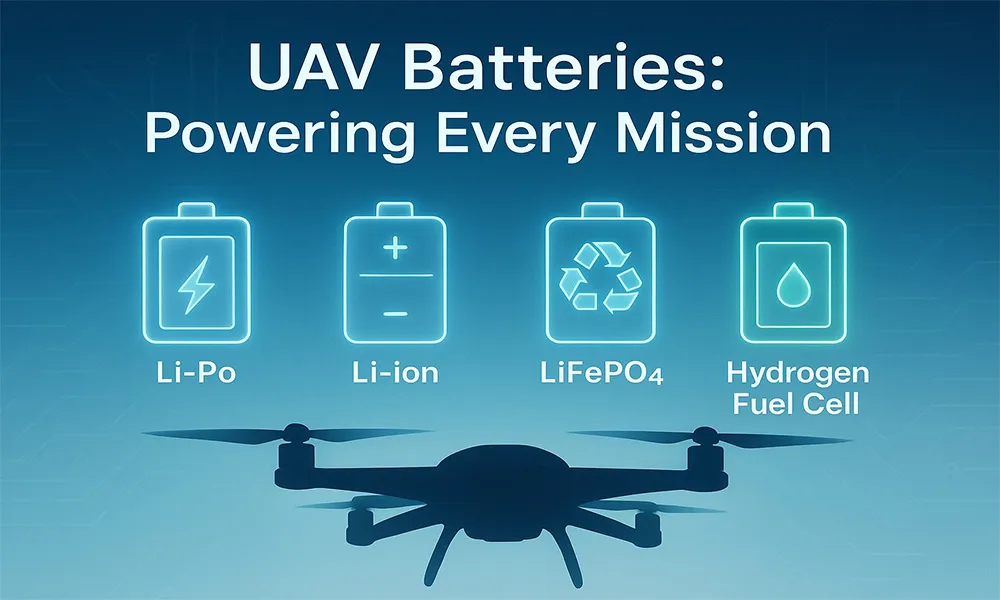
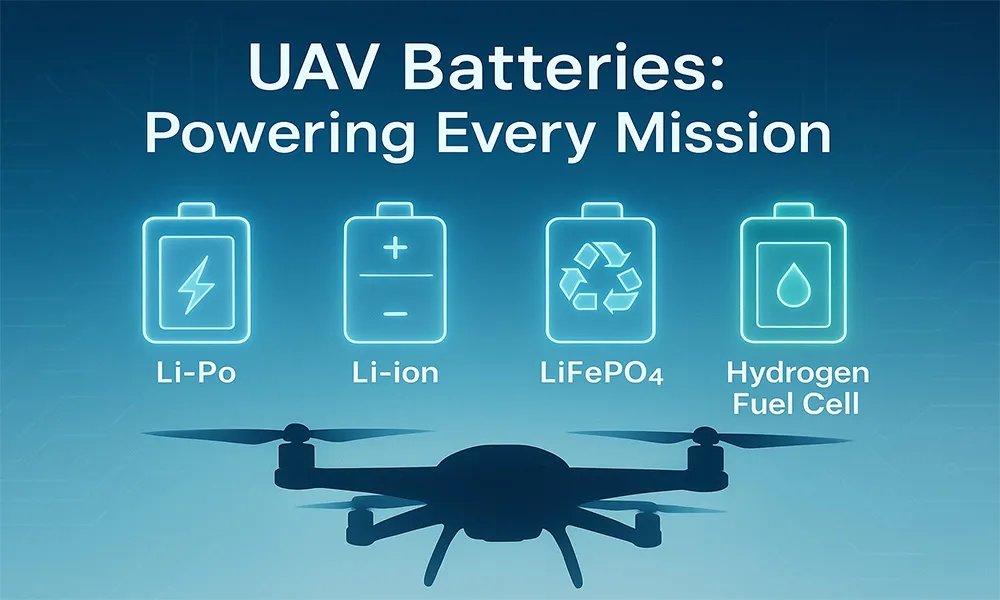
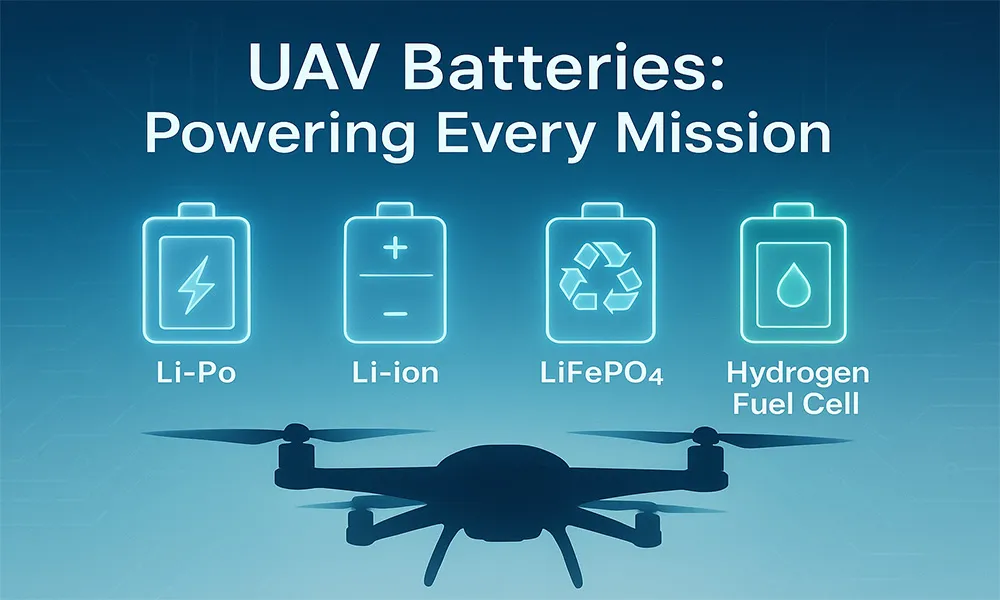
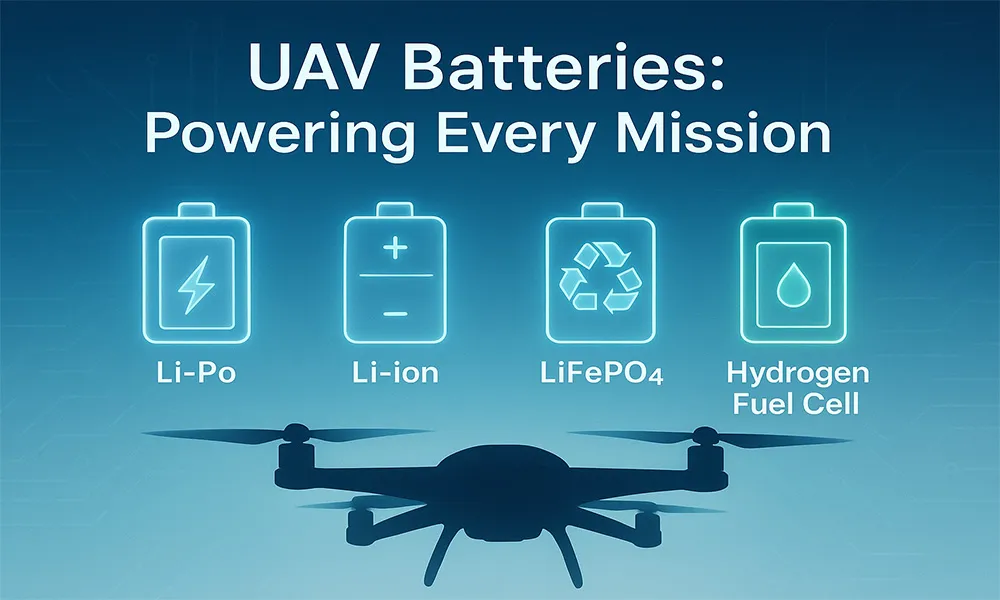
What Types of Batteries Are Used in UAVs? A Complete Guide to Drone Power Systems

1. Basic Battery Requirements for UAVs

As UAVs expand across agriculture, logistics, security, and mapping industries, their battery systems must meet these fundamental criteria:

  • High energy density: for extended flight durations

  • Lightweight design: to reduce aircraft load

  • High discharge rate: to support takeoff and heavy payloads

  • Safety and stability: to ensure secure operation

  • Fast charging and long lifespan: to improve work efficiency

Each battery type excels in different aspects to meet the power demands of various UAV missions.

2. Lithium Polymer Battery (Li-Po): Lightweight and High-Discharge Favorite

Li-Po batteries offer lightweight design and high discharge rates, making them the top choice for FPV racing drones and consumer-level aerial drones.

  • Pros: Light, compact, customizable shapes, high discharge capability

  • Cons: Lower safety, prone to swelling or fire if misused

  • Applications: Aerial photography, stunt flying, FPV racing drones

3. Lithium-Ion Battery (Li-ion): Balanced for Endurance and Safety

Li-ion batteries feature high energy density and stability, making them ideal for long-endurance drones.

  • Pros: High energy density, long cycle life, stable structure

  • Cons: Moderate discharge rate, not suitable for fast-response applications

  • Applications: Mapping drones, long-range delivery drones, power line inspection UAVs

4. Lithium Iron Phosphate Battery (LiFePO4): Safe and Long-Lasting

LiFePO4 batteries deliver exceptional safety and cycle durability, widely used in agricultural and industrial drones.

  • Pros: High safety, non-flammable, over 2000 charge cycles

  • Cons: Lower energy density, heavier weight

  • Applications: Agricultural spraying drones, power grid inspection, security patrol UAVs

5. Hydrogen Fuel Cell: The Future of Long-Endurance UAVs

Hydrogen fuel cells offer ultra-long flight endurance and zero emissions, ideal for logistics and reconnaissance drones.

  • Pros: Extended flight time, eco-friendly, multi-hour endurance

  • Cons: High cost, immature technology, complex hydrogen storage

  • Applications: Fixed-wing surveillance drones, emergency reconnaissance UAVs

6. Comparison Table of UAV Battery Types

Battery TypeEnergy DensityDischarge RateSafetyWeightApplicationsLi-Po★★★★☆★★★★★★★☆☆☆★★★★★FPV racing drones, aerial photography dronesLi-ion★★★★★★★★☆☆★★★★☆★★★★☆Mapping, inspection, logistics UAVsLiFePO4★★★☆☆★★☆☆☆★★★★★★★☆☆☆Agricultural, power inspection, patrol dronesHydrogen Fuel Cell★★★★★+★★★☆☆★★★☆☆★★☆☆☆Long-range logistics, reconnaissance drones

Conclusion

As UAV technology continues to evolve, battery solutions are becoming increasingly mission-specific. Knowing what types of batteries are used in UAVs helps engineers design better power systems and enables users to choose the right power source based on their flight needs. In the future, smart Battery Management Systems (BMS) and advanced materials will make drone batteries even safer, smarter, and more efficient.

post image 1
0
author image
392806317wang2 mo. ago
general
What Types of Batteries Are Used in UAVs? A Complete Guide to Drone Power Systems

1. Basic Battery Requirements for UAVs

As UAVs expand across agriculture, logistics, security, and mapping industries, their battery systems must meet these fundamental criteria:

  • High energy density: for extended flight durations

  • Lightweight design: to reduce aircraft load

  • High discharge rate: to support takeoff and heavy payloads

  • Safety and stability: to ensure secure operation

  • Fast charging and long lifespan: to improve work efficiency

Each battery type excels in different aspects to meet the power demands of various UAV missions.

2. Lithium Polymer Battery (Li-Po): Lightweight and High-Discharge Favorite

Li-Po batteries offer lightweight design and high discharge rates, making them the top choice for FPV racing drones and consumer-level aerial drones.

  • Pros: Light, compact, customizable shapes, high discharge capability

  • Cons: Lower safety, prone to swelling or fire if misused

  • Applications: Aerial photography, stunt flying, FPV racing drones

3. Lithium-Ion Battery (Li-ion): Balanced for Endurance and Safety

Li-ion batteries feature high energy density and stability, making them ideal for long-endurance drones.

  • Pros: High energy density, long cycle life, stable structure

  • Cons: Moderate discharge rate, not suitable for fast-response applications

  • Applications: Mapping drones, long-range delivery drones, power line inspection UAVs

4. Lithium Iron Phosphate Battery (LiFePO4): Safe and Long-Lasting

LiFePO4 batteries deliver exceptional safety and cycle durability, widely used in agricultural and industrial drones.

  • Pros: High safety, non-flammable, over 2000 charge cycles

  • Cons: Lower energy density, heavier weight

  • Applications: Agricultural spraying drones, power grid inspection, security patrol UAVs

5. Hydrogen Fuel Cell: The Future of Long-Endurance UAVs

Hydrogen fuel cells offer ultra-long flight endurance and zero emissions, ideal for logistics and reconnaissance drones.

  • Pros: Extended flight time, eco-friendly, multi-hour endurance

  • Cons: High cost, immature technology, complex hydrogen storage

  • Applications: Fixed-wing surveillance drones, emergency reconnaissance UAVs

6. Comparison Table of UAV Battery Types

Battery TypeEnergy DensityDischarge RateSafetyWeightApplicationsLi-Po★★★★☆★★★★★★★☆☆☆★★★★★FPV racing drones, aerial photography dronesLi-ion★★★★★★★★☆☆★★★★☆★★★★☆Mapping, inspection, logistics UAVsLiFePO4★★★☆☆★★☆☆☆★★★★★★★☆☆☆Agricultural, power inspection, patrol dronesHydrogen Fuel Cell★★★★★+★★★☆☆★★★☆☆★★☆☆☆Long-range logistics, reconnaissance drones

Conclusion

As UAV technology continues to evolve, battery solutions are becoming increasingly mission-specific. Knowing what types of batteries are used in UAVs helps engineers design better power systems and enables users to choose the right power source based on their flight needs. In the future, smart Battery Management Systems (BMS) and advanced materials will make drone batteries even safer, smarter, and more efficient.

post image 1
0
author image
392806317wang2 mo. ago
general
What Types of Batteries Are Used in UAVs? A Complete Guide to Drone Power Systems

1. Basic Battery Requirements for UAVs

As UAVs expand across agriculture, logistics, security, and mapping industries, their battery systems must meet these fundamental criteria:

  • High energy density: for extended flight durations

  • Lightweight design: to reduce aircraft load

  • High discharge rate: to support takeoff and heavy payloads

  • Safety and stability: to ensure secure operation

  • Fast charging and long lifespan: to improve work efficiency

Each battery type excels in different aspects to meet the power demands of various UAV missions.

2. Lithium Polymer Battery (Li-Po): Lightweight and High-Discharge Favorite

Li-Po batteries offer lightweight design and high discharge rates, making them the top choice for FPV racing drones and consumer-level aerial drones.

  • Pros: Light, compact, customizable shapes, high discharge capability

  • Cons: Lower safety, prone to swelling or fire if misused

  • Applications: Aerial photography, stunt flying, FPV racing drones

3. Lithium-Ion Battery (Li-ion): Balanced for Endurance and Safety

Li-ion batteries feature high energy density and stability, making them ideal for long-endurance drones.

  • Pros: High energy density, long cycle life, stable structure

  • Cons: Moderate discharge rate, not suitable for fast-response applications

  • Applications: Mapping drones, long-range delivery drones, power line inspection UAVs

4. Lithium Iron Phosphate Battery (LiFePO4): Safe and Long-Lasting

LiFePO4 batteries deliver exceptional safety and cycle durability, widely used in agricultural and industrial drones.

  • Pros: High safety, non-flammable, over 2000 charge cycles

  • Cons: Lower energy density, heavier weight

  • Applications: Agricultural spraying drones, power grid inspection, security patrol UAVs

5. Hydrogen Fuel Cell: The Future of Long-Endurance UAVs

Hydrogen fuel cells offer ultra-long flight endurance and zero emissions, ideal for logistics and reconnaissance drones.

  • Pros: Extended flight time, eco-friendly, multi-hour endurance

  • Cons: High cost, immature technology, complex hydrogen storage

  • Applications: Fixed-wing surveillance drones, emergency reconnaissance UAVs

6. Comparison Table of UAV Battery Types

Battery TypeEnergy DensityDischarge RateSafetyWeightApplicationsLi-Po★★★★☆★★★★★★★☆☆☆★★★★★FPV racing drones, aerial photography dronesLi-ion★★★★★★★★☆☆★★★★☆★★★★☆Mapping, inspection, logistics UAVsLiFePO4★★★☆☆★★☆☆☆★★★★★★★☆☆☆Agricultural, power inspection, patrol dronesHydrogen Fuel Cell★★★★★+★★★☆☆★★★☆☆★★☆☆☆Long-range logistics, reconnaissance drones

Conclusion

As UAV technology continues to evolve, battery solutions are becoming increasingly mission-specific. Knowing what types of batteries are used in UAVs helps engineers design better power systems and enables users to choose the right power source based on their flight needs. In the future, smart Battery Management Systems (BMS) and advanced materials will make drone batteries even safer, smarter, and more efficient.

post image 1
0
author image
392806317wang2 mo. ago
general
What Types of Batteries Are Used in UAVs? A Complete Guide to Drone Power Systems

1. Basic Battery Requirements for UAVs

As UAVs expand across agriculture, logistics, security, and mapping industries, their battery systems must meet these fundamental criteria:

  • High energy density: for extended flight durations

  • Lightweight design: to reduce aircraft load

  • High discharge rate: to support takeoff and heavy payloads

  • Safety and stability: to ensure secure operation

  • Fast charging and long lifespan: to improve work efficiency

Each battery type excels in different aspects to meet the power demands of various UAV missions.

2. Lithium Polymer Battery (Li-Po): Lightweight and High-Discharge Favorite

Li-Po batteries offer lightweight design and high discharge rates, making them the top choice for FPV racing drones and consumer-level aerial drones.

  • Pros: Light, compact, customizable shapes, high discharge capability

  • Cons: Lower safety, prone to swelling or fire if misused

  • Applications: Aerial photography, stunt flying, FPV racing drones

3. Lithium-Ion Battery (Li-ion): Balanced for Endurance and Safety

Li-ion batteries feature high energy density and stability, making them ideal for long-endurance drones.

  • Pros: High energy density, long cycle life, stable structure

  • Cons: Moderate discharge rate, not suitable for fast-response applications

  • Applications: Mapping drones, long-range delivery drones, power line inspection UAVs

4. Lithium Iron Phosphate Battery (LiFePO4): Safe and Long-Lasting

LiFePO4 batteries deliver exceptional safety and cycle durability, widely used in agricultural and industrial drones.

  • Pros: High safety, non-flammable, over 2000 charge cycles

  • Cons: Lower energy density, heavier weight

  • Applications: Agricultural spraying drones, power grid inspection, security patrol UAVs

5. Hydrogen Fuel Cell: The Future of Long-Endurance UAVs

Hydrogen fuel cells offer ultra-long flight endurance and zero emissions, ideal for logistics and reconnaissance drones.

  • Pros: Extended flight time, eco-friendly, multi-hour endurance

  • Cons: High cost, immature technology, complex hydrogen storage

  • Applications: Fixed-wing surveillance drones, emergency reconnaissance UAVs

6. Comparison Table of UAV Battery Types

Battery TypeEnergy DensityDischarge RateSafetyWeightApplicationsLi-Po★★★★☆★★★★★★★☆☆☆★★★★★FPV racing drones, aerial photography dronesLi-ion★★★★★★★★☆☆★★★★☆★★★★☆Mapping, inspection, logistics UAVsLiFePO4★★★☆☆★★☆☆☆★★★★★★★☆☆☆Agricultural, power inspection, patrol dronesHydrogen Fuel Cell★★★★★+★★★☆☆★★★☆☆★★☆☆☆Long-range logistics, reconnaissance drones

Conclusion

As UAV technology continues to evolve, battery solutions are becoming increasingly mission-specific. Knowing what types of batteries are used in UAVs helps engineers design better power systems and enables users to choose the right power source based on their flight needs. In the future, smart Battery Management Systems (BMS) and advanced materials will make drone batteries even safer, smarter, and more efficient.

post image 1
0
User Avatar
No comments yet.