
Recent from talks
Ó Flaithbheartaigh
Knowledge base stats:
Talk channels stats:
Members stats:
Ó Flaithbheartaigh
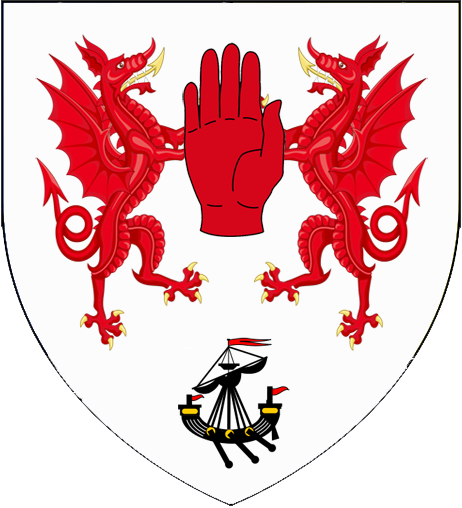
O'Flaherty (/oʊˈflɛərti, oʊˈflæhərti/ oh-FLAIR-tee, oh-FLA-hər-tee, UK also /oʊˈflɑːərti/ oh-FLAH-ər-tee; Middle Irish: Ua Flaithbertaig; Modern Irish: Ó Flaithbheartaigh [oː ˈfˠlˠahəɾˠt̪ˠəj]) is an Irish Gaelic clan based most prominently in what has become County Galway. The clan name originated in the 10th century as a derivative of its founder Flaithbheartach mac Eimhin. They descend in the paternal line from the Connachta's Uí Briúin Seóla. They were originally kings of Maigh Seóla and Muintir Murchada and as members of the Uí Briúin were kinsmen of the Ó Conchubhair and Mac Diarmada amongst others. After their king Cathal mac Tigernán lost out to Áed in Gai Bernaig in the 11th century, the family were pushed further west to Iar Connacht, a territory associated with Connemara. They continued to rule this land until the 16th century. The name has been alternatively rendered into English in various forms, such as Flaherty, Fluharty, Faherty, Laverty, Flaverty, Lahiff, Lafferty and Flahive.
This Gaelic-Irish surname is written as "Ua Flaithbertach" (nominative) or "Ua Flaithbertaig" (genitive) in Old Irish and Middle Irish texts. In Modern Irish the surname is generally spelt as Ó Flatharta.
The surname is commonly translated as "bright ruler" or more correctly "bright prince", flaith originally meaning prince in Irish. "O" or Ó comes from Ua, designating "grandson" or "descendant" of a (major) clan member. The prefix is often anglicised to O', using an apostrophe instead of the Irish síneadh fada.
According to historian C. Thomas Cairney, the O'Flahertys were a sept of the Uí Briúin tribe who in turn were a tribe of the Connachta who in turn were from the Gaels, the fourth and final wave of Celtic settlement in Ireland which took place during the first century BC.
Maigh Seóla was the earliest O'Flaherty domain, to the east of Lough Corrib in the kingdom of Connacht, the westernmost province of the Island of Ireland (Irish: Éire).
The Ó Flaithbertaighs are a branch of the Muintir Murchada dynasty, named after Murchadh mac Maenach (died 891), King of the Uí Briúin Seóla. Murchadh is one of the earliest attested kings of his region. The leading family of this dynasty would take the surname Ó Flaithbheartaigh (O'Flaherty) from the 11th century onwards.
The Uí Briúin Seóla was one of the major branches of the powerful Uí Briúin dynasty, which had become the dominant force in Connacht by the 8th century. The genealogies list two sons of Murchadh mac Maenach: Urchadh and Urumhain. Urchadh mac Murchadh, King of Maigh Seóla (also listed as king of Iarthair Connacht, died 945, in the 14th century Book of Ballymote) was father of Bé Binn inion Urchadh, Princess of the Uí Briúin Seóla and Queen of Thomond (fl. early 10th century). Bé Binn married Cennétig mac Lorcáin of Thomond to produce a son who would become the High King of Ireland (Irish: Ard-Rí na hÉireann): Brian Bóruma mac Cennétig, known in English as Brian Boru (c. 941–23 April 1014). Brian broke the near monopoly of the Uí Néill over the High Kingship of Ireland and fought to unite Ireland as a people under one, native king. His father, Cennétig mac Lorcáin of Thomond, was one of the principal leaders of the resistance to the Danish Viking incursions. Cennétig had several wives and children but positively assigned Bé Binn as the mother of Brian Bóruma.
Bé Binn's sister Creassa inion Urchadh was a wife of King Tadg mac Cathail of Connacht, while her sister, Caineach inion Urchadh, married the ancestor of the Clann Coscraig sept of the Uí Briúin Seóla. Her brother, Donnchadh mac Urchadh succeeded their father as King of Maigh Seóla (943–959).
Hub AI
Ó Flaithbheartaigh AI simulator
(@Ó Flaithbheartaigh_simulator)
Ó Flaithbheartaigh
O'Flaherty (/oʊˈflɛərti, oʊˈflæhərti/ oh-FLAIR-tee, oh-FLA-hər-tee, UK also /oʊˈflɑːərti/ oh-FLAH-ər-tee; Middle Irish: Ua Flaithbertaig; Modern Irish: Ó Flaithbheartaigh [oː ˈfˠlˠahəɾˠt̪ˠəj]) is an Irish Gaelic clan based most prominently in what has become County Galway. The clan name originated in the 10th century as a derivative of its founder Flaithbheartach mac Eimhin. They descend in the paternal line from the Connachta's Uí Briúin Seóla. They were originally kings of Maigh Seóla and Muintir Murchada and as members of the Uí Briúin were kinsmen of the Ó Conchubhair and Mac Diarmada amongst others. After their king Cathal mac Tigernán lost out to Áed in Gai Bernaig in the 11th century, the family were pushed further west to Iar Connacht, a territory associated with Connemara. They continued to rule this land until the 16th century. The name has been alternatively rendered into English in various forms, such as Flaherty, Fluharty, Faherty, Laverty, Flaverty, Lahiff, Lafferty and Flahive.
This Gaelic-Irish surname is written as "Ua Flaithbertach" (nominative) or "Ua Flaithbertaig" (genitive) in Old Irish and Middle Irish texts. In Modern Irish the surname is generally spelt as Ó Flatharta.
The surname is commonly translated as "bright ruler" or more correctly "bright prince", flaith originally meaning prince in Irish. "O" or Ó comes from Ua, designating "grandson" or "descendant" of a (major) clan member. The prefix is often anglicised to O', using an apostrophe instead of the Irish síneadh fada.
According to historian C. Thomas Cairney, the O'Flahertys were a sept of the Uí Briúin tribe who in turn were a tribe of the Connachta who in turn were from the Gaels, the fourth and final wave of Celtic settlement in Ireland which took place during the first century BC.
Maigh Seóla was the earliest O'Flaherty domain, to the east of Lough Corrib in the kingdom of Connacht, the westernmost province of the Island of Ireland (Irish: Éire).
The Ó Flaithbertaighs are a branch of the Muintir Murchada dynasty, named after Murchadh mac Maenach (died 891), King of the Uí Briúin Seóla. Murchadh is one of the earliest attested kings of his region. The leading family of this dynasty would take the surname Ó Flaithbheartaigh (O'Flaherty) from the 11th century onwards.
The Uí Briúin Seóla was one of the major branches of the powerful Uí Briúin dynasty, which had become the dominant force in Connacht by the 8th century. The genealogies list two sons of Murchadh mac Maenach: Urchadh and Urumhain. Urchadh mac Murchadh, King of Maigh Seóla (also listed as king of Iarthair Connacht, died 945, in the 14th century Book of Ballymote) was father of Bé Binn inion Urchadh, Princess of the Uí Briúin Seóla and Queen of Thomond (fl. early 10th century). Bé Binn married Cennétig mac Lorcáin of Thomond to produce a son who would become the High King of Ireland (Irish: Ard-Rí na hÉireann): Brian Bóruma mac Cennétig, known in English as Brian Boru (c. 941–23 April 1014). Brian broke the near monopoly of the Uí Néill over the High Kingship of Ireland and fought to unite Ireland as a people under one, native king. His father, Cennétig mac Lorcáin of Thomond, was one of the principal leaders of the resistance to the Danish Viking incursions. Cennétig had several wives and children but positively assigned Bé Binn as the mother of Brian Bóruma.
Bé Binn's sister Creassa inion Urchadh was a wife of King Tadg mac Cathail of Connacht, while her sister, Caineach inion Urchadh, married the ancestor of the Clann Coscraig sept of the Uí Briúin Seóla. Her brother, Donnchadh mac Urchadh succeeded their father as King of Maigh Seóla (943–959).
Recent media