


Community hub
Recent from talks
Contribute something to knowledge base
Content stats: 0 posts, 0 articles, 1 media, 0 notes
Members stats: 0 subscribers, 0 contributors, 0 moderators, 0 supporters
Subscribers
Supporters
Contributors
Moderators
Madagascar Airlines
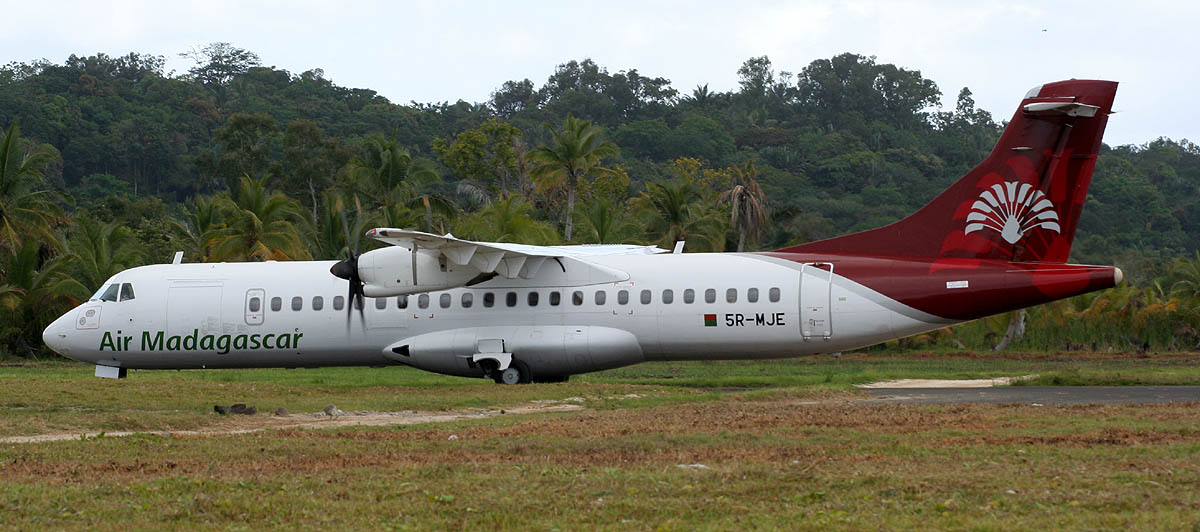
Madagascar Airlines is an airline based in Antananarivo, Madagascar. It is the flag carrier of Madagascar; it operates services to Europe, Asia and neighbouring African and Indian Ocean island destinations, from its main base, Ivato International Airport in Antananarivo. It also operates an extensive domestic network.
The airline was formed in 1947 to feed into flights by Transports Aériens Intercontinentaux and Air France, and upon the independence of Madagascar, it became the national airline. Initially operating services on domestic routes, the airline saw expansion in the late 1960s and 1970s, when it began international flights to destinations such as France and South Africa.
In recent years the airline has been a subject of failed privatisation measures. These are now on hold and the loss making airline is majority owned by the Malagasy government.
Air Madagascar was formed in March 1947 by Transports Aériens Intercontinentaux (TAI) in order to feed into flights by TAI and Air France. The airline began operations with two Air France Douglas DC-3s and six de Havilland D.H.89 Dragon Rapides. In 1957 TAI and Messageries Maritimes acquired shares in the airline, and in 1958 a third DC-3 was added to the fleet. In 1961 the Malagasy government, Air France and TAI reorganised the airline. In April 1961 the airline was renamed Madair and became the flag carrier for the newly independent republic. On 23 August 1961, the status of Société Nationale Malgache des Transports Aériens, MADAIR was approved by decree. On 20 October 1961 a service from Antananarivo-Paris, via Djibouti, with a Douglas DC-7 leased from TAI was inaugurated. Société Nationale Malgache des Transports Aériens, MADAIR was created on 13 November 1961, with a working capital of 400 million CFA Francs, 447 employees, and a fleet comprising two Douglas DC-4s, seven DC-3s and four Dragon Rapides. The government held 20%, Air France 44% and TAI 36% shareholdings, and the government held an option to increase its shareholding to some 65%.
On 1 January 1962, Madair took over service to some 58 points in Madagascar, and on 14 October the name of the airline was changed to Air Madagascar, because of a negative image of the name Madair. In 1962 Air Madagascar carried 103,000 passengers, 7,500 tons of freight and 375 tons of mail and flew a distance of 2,400,000 kilometres (1,500,000 mi). On 31 December 1962, the company was renamed to Société Nationale Malgache des Transports Aériens — Air Madagascar. A DC-3 of the airline crashed at Farafangana on 15 July 1963, killing five people. Flights to the Comoro Islands with DC-4s began in 1963. On 14 May 1963, the Malagasy government increased its share capital to 460 million CFA francs, and its shareholding from 20 to 30.44%.
In October 1963 the airline signed an agreement with Air France, which saw Air Madagascar beginning a service to Paris, via Djibouti, in July 1964 with a Boeing 707, which was painted in Air Madagascar livery, and operated by Air France crews. In 1965 the Dragon Rapides began to be replaced by light aircraft, mainly Pipers, and a Nord 262 was ordered in 1966. On 19 July 1967, an Air Madagascar DC-4, on a scheduled flight from Antananarivo to Tamatave and Diego Suarez, crashed after take-off from Ivato International Airport, killing 42 people, including Albert Sylla, the Malagasy Foreign Minister. The airline began scheduled flights to Rome in 1968, and the airline acquired its first Boeing 737-200 in September 1969. The aircraft was maintained by South African Airways, and on 15 October, Air Madagascar began flights to Johannesburg, and in December began flights to Dar es Salaam and Nairobi via Majunga. On 14 February 1970, flights to Johannesburg operated via Lourenço Marques, and on 1 November, the 737 replaced the DC-4 on flights to the Comoros.
In 1971 four de Havilland Canada DHC-6 Twin Otters were acquired, allowing the airline to retire some DC-3s which were transferred to the Malagasy military. By 1972, the airline was operating 737s on domestic flights to Tamatave, Nosy Be, Diego Suarez and Sambava, allowing for the retirement of two DC-4s. A second 737 was delivered in December 1972, seeing the expansion of routes and frequencies on the airline's network. In April 1974, service with the 737s was extended to Mananjary, Tuléar and Fort Dauphin. In the late 1970s, services to Johannesburg were suspended as a result of apartheid in South Africa. In 1979 the airline acquired its first wide-body aircraft when a Boeing 747-200B Combi was delivered, with maintenance being handled by Air France. In early 1986 the airline joined the International Air Transport Association, and in the same year placed an order for ATR 42 to replace the HS-748s, which had been delivered to the airline in January 1980. Services to Johannesburg were resumed in 1990. In 1994, the airline leased a Boeing 737-300 from ILFC, which was delivered on 12 September, and was introduced on routes from Antananarivo to Johannesburg, Comoros, Mauritius, Nairobi, Réunion and Seychelles. Air Madagascar lost its monopoly on domestic flights in 1995, when the government liberalised the market, although few competitors have yet emerged. Flights to Munich and Rome began in 1996.
In September 1997, the airline ordered an additional three ATR 42 for delivery in October. Services to Singapore began in October 1998, and were suspended in 2002.
Madagascar Airlines
Madagascar Airlines is an airline based in Antananarivo, Madagascar. It is the flag carrier of Madagascar; it operates services to Europe, Asia and neighbouring African and Indian Ocean island destinations, from its main base, Ivato International Airport in Antananarivo. It also operates an extensive domestic network.
The airline was formed in 1947 to feed into flights by Transports Aériens Intercontinentaux and Air France, and upon the independence of Madagascar, it became the national airline. Initially operating services on domestic routes, the airline saw expansion in the late 1960s and 1970s, when it began international flights to destinations such as France and South Africa.
In recent years the airline has been a subject of failed privatisation measures. These are now on hold and the loss making airline is majority owned by the Malagasy government.
Air Madagascar was formed in March 1947 by Transports Aériens Intercontinentaux (TAI) in order to feed into flights by TAI and Air France. The airline began operations with two Air France Douglas DC-3s and six de Havilland D.H.89 Dragon Rapides. In 1957 TAI and Messageries Maritimes acquired shares in the airline, and in 1958 a third DC-3 was added to the fleet. In 1961 the Malagasy government, Air France and TAI reorganised the airline. In April 1961 the airline was renamed Madair and became the flag carrier for the newly independent republic. On 23 August 1961, the status of Société Nationale Malgache des Transports Aériens, MADAIR was approved by decree. On 20 October 1961 a service from Antananarivo-Paris, via Djibouti, with a Douglas DC-7 leased from TAI was inaugurated. Société Nationale Malgache des Transports Aériens, MADAIR was created on 13 November 1961, with a working capital of 400 million CFA Francs, 447 employees, and a fleet comprising two Douglas DC-4s, seven DC-3s and four Dragon Rapides. The government held 20%, Air France 44% and TAI 36% shareholdings, and the government held an option to increase its shareholding to some 65%.
On 1 January 1962, Madair took over service to some 58 points in Madagascar, and on 14 October the name of the airline was changed to Air Madagascar, because of a negative image of the name Madair. In 1962 Air Madagascar carried 103,000 passengers, 7,500 tons of freight and 375 tons of mail and flew a distance of 2,400,000 kilometres (1,500,000 mi). On 31 December 1962, the company was renamed to Société Nationale Malgache des Transports Aériens — Air Madagascar. A DC-3 of the airline crashed at Farafangana on 15 July 1963, killing five people. Flights to the Comoro Islands with DC-4s began in 1963. On 14 May 1963, the Malagasy government increased its share capital to 460 million CFA francs, and its shareholding from 20 to 30.44%.
In October 1963 the airline signed an agreement with Air France, which saw Air Madagascar beginning a service to Paris, via Djibouti, in July 1964 with a Boeing 707, which was painted in Air Madagascar livery, and operated by Air France crews. In 1965 the Dragon Rapides began to be replaced by light aircraft, mainly Pipers, and a Nord 262 was ordered in 1966. On 19 July 1967, an Air Madagascar DC-4, on a scheduled flight from Antananarivo to Tamatave and Diego Suarez, crashed after take-off from Ivato International Airport, killing 42 people, including Albert Sylla, the Malagasy Foreign Minister. The airline began scheduled flights to Rome in 1968, and the airline acquired its first Boeing 737-200 in September 1969. The aircraft was maintained by South African Airways, and on 15 October, Air Madagascar began flights to Johannesburg, and in December began flights to Dar es Salaam and Nairobi via Majunga. On 14 February 1970, flights to Johannesburg operated via Lourenço Marques, and on 1 November, the 737 replaced the DC-4 on flights to the Comoros.
In 1971 four de Havilland Canada DHC-6 Twin Otters were acquired, allowing the airline to retire some DC-3s which were transferred to the Malagasy military. By 1972, the airline was operating 737s on domestic flights to Tamatave, Nosy Be, Diego Suarez and Sambava, allowing for the retirement of two DC-4s. A second 737 was delivered in December 1972, seeing the expansion of routes and frequencies on the airline's network. In April 1974, service with the 737s was extended to Mananjary, Tuléar and Fort Dauphin. In the late 1970s, services to Johannesburg were suspended as a result of apartheid in South Africa. In 1979 the airline acquired its first wide-body aircraft when a Boeing 747-200B Combi was delivered, with maintenance being handled by Air France. In early 1986 the airline joined the International Air Transport Association, and in the same year placed an order for ATR 42 to replace the HS-748s, which had been delivered to the airline in January 1980. Services to Johannesburg were resumed in 1990. In 1994, the airline leased a Boeing 737-300 from ILFC, which was delivered on 12 September, and was introduced on routes from Antananarivo to Johannesburg, Comoros, Mauritius, Nairobi, Réunion and Seychelles. Air Madagascar lost its monopoly on domestic flights in 1995, when the government liberalised the market, although few competitors have yet emerged. Flights to Munich and Rome began in 1996.
In September 1997, the airline ordered an additional three ATR 42 for delivery in October. Services to Singapore began in October 1998, and were suspended in 2002.
Recent media
Recent media