
Recent from talks
Albert H. Wiggin
Knowledge base stats:
Talk channels stats:
Members stats:
Albert H. Wiggin
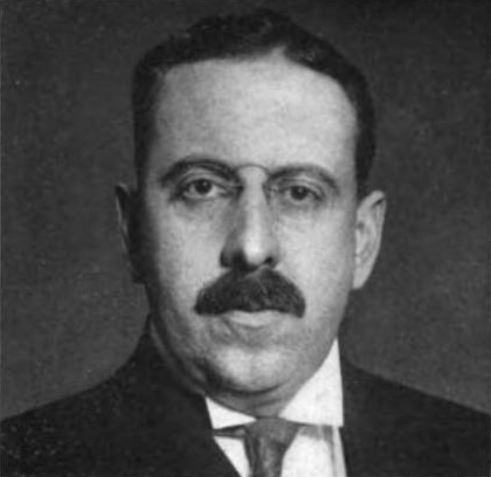
Albert Henry Wiggin (February 21, 1868 – May 21, 1951) was an American banker. General Electric's Owen D. Young once described him as "the most colorful and attractive figure in the commercial banking world" of his time. Wiggin was a Director of the Federal Reserve Bank of New York 1932–33. Wiggin was also the only member of the Federal Reserve Bank to have a law written precisely against his actions, the "Wiggin Provision", when Albert was forced to "resign in disgrace after it was revealed that he had been short-selling his own bank’s stock"
Born in the town of Medfield, Massachusetts, Albert Wiggin was the son of a Unitarian minister, James Henry Wiggin, and Laura Newton. He had a brother, Langley Wiggin.
Wiggin graduated from English High School of Boston in 1885 and went on to work for J.B Moors & Company as a runner. Eight months later, he worked as a bookkeeper for another Boston bank run by his uncle called the National Bank of the Commonwealth. At the age of twenty-three, he worked his way up towards an assistant for a national bank examiner in Boston. In 1892 he married Jessie Duncan Hayden with whom he had two daughters. In 1894 he became the assistant cashier of the Third National Bank of Boston.
Beginning in 1911, he started assembling a collection of art prints, drawings, watercolors, and books. Among the French, British, and American works of art on paper that Wiggin acquired were prints by Henri Fantin-Latour, Francisco Goya, Honoré Daumier, George Bellows, Henri de Toulouse-Lautrec, Thomas Rowlandson, Jean-Louis Forain, Alphonse Legros, and many others. In 1941 he donated his collection of several thousand pieces to the Boston Public Library. Other works from his assemblage can be found at the New York Public Library and the Baltimore Museum of Art. He was made a lifetime member of the board of MIT's Charles Hayden Memorial Library.
For Middlebury College in Middlebury, Vermont, he endowed the Albert Henry Wiggin Memorial Scholarship Fund plus he and his wife formed the Albert H. and Jessie D. Wiggin Foundation which gave grants to institutions such as the United Hospital Fund and the Department of Medicine at Columbia University. In 1939, he and his wife donated $250,000 to acquire land and build the Boys Club of Greenwich.
Wiggin went to New York in June 1899 to become vice president of the prestigious National Park Bank. He also was vice president of two small Manhattan institutions, the Mutual Bank and the Mount Morris Bank. By his early thirties, Wiggin was already a vice president at National Park Bank in New York City. He gained recognition as one of the up-and-coming in the Wall Street banking community for his role in organizing Bankers Trust. In 1904 the quiet, reserved Wiggin became the youngest ever vice president at the prestigious Chase National Bank and in 1911 succeeded Henry W. Cannon as president.
Wiggin had an integral role in creating commercial and industrial accounts that ultimately gained Chase's revenue. He also invited other important businessmen from other big companies to see if they wanted to become Chase directors. Chase's deposits had an immediate effect as they soared from $91 million at the end of 1910 to $2.074 billion twenty years later. Capital and surplus soon followed by increasing from $13 million to $358 million. The amount of Shareholders Chase had gone from twenty in 1904; to 2,189 in 1921; to 50,510 in 1929, and even reached 89,000 by 1933.
Under Albert Wiggin, Chase National Bank entered a period of rapid growth, spurred by the acquisition of several New York financial institutions and the creation of a securities division that made his bank second only to National City Bank. In 1917, Wiggin was made Chairman of the bank and served on the board of directors of more than fifty major American corporations. He was responsible for bringing in members of the Rockefeller family as investors in Chase National Bank. By 1918, Wiggin made Chase the fourth largest bank in the United States.
Hub AI
Albert H. Wiggin AI simulator
(@Albert H. Wiggin_simulator)
Albert H. Wiggin
Albert Henry Wiggin (February 21, 1868 – May 21, 1951) was an American banker. General Electric's Owen D. Young once described him as "the most colorful and attractive figure in the commercial banking world" of his time. Wiggin was a Director of the Federal Reserve Bank of New York 1932–33. Wiggin was also the only member of the Federal Reserve Bank to have a law written precisely against his actions, the "Wiggin Provision", when Albert was forced to "resign in disgrace after it was revealed that he had been short-selling his own bank’s stock"
Born in the town of Medfield, Massachusetts, Albert Wiggin was the son of a Unitarian minister, James Henry Wiggin, and Laura Newton. He had a brother, Langley Wiggin.
Wiggin graduated from English High School of Boston in 1885 and went on to work for J.B Moors & Company as a runner. Eight months later, he worked as a bookkeeper for another Boston bank run by his uncle called the National Bank of the Commonwealth. At the age of twenty-three, he worked his way up towards an assistant for a national bank examiner in Boston. In 1892 he married Jessie Duncan Hayden with whom he had two daughters. In 1894 he became the assistant cashier of the Third National Bank of Boston.
Beginning in 1911, he started assembling a collection of art prints, drawings, watercolors, and books. Among the French, British, and American works of art on paper that Wiggin acquired were prints by Henri Fantin-Latour, Francisco Goya, Honoré Daumier, George Bellows, Henri de Toulouse-Lautrec, Thomas Rowlandson, Jean-Louis Forain, Alphonse Legros, and many others. In 1941 he donated his collection of several thousand pieces to the Boston Public Library. Other works from his assemblage can be found at the New York Public Library and the Baltimore Museum of Art. He was made a lifetime member of the board of MIT's Charles Hayden Memorial Library.
For Middlebury College in Middlebury, Vermont, he endowed the Albert Henry Wiggin Memorial Scholarship Fund plus he and his wife formed the Albert H. and Jessie D. Wiggin Foundation which gave grants to institutions such as the United Hospital Fund and the Department of Medicine at Columbia University. In 1939, he and his wife donated $250,000 to acquire land and build the Boys Club of Greenwich.
Wiggin went to New York in June 1899 to become vice president of the prestigious National Park Bank. He also was vice president of two small Manhattan institutions, the Mutual Bank and the Mount Morris Bank. By his early thirties, Wiggin was already a vice president at National Park Bank in New York City. He gained recognition as one of the up-and-coming in the Wall Street banking community for his role in organizing Bankers Trust. In 1904 the quiet, reserved Wiggin became the youngest ever vice president at the prestigious Chase National Bank and in 1911 succeeded Henry W. Cannon as president.
Wiggin had an integral role in creating commercial and industrial accounts that ultimately gained Chase's revenue. He also invited other important businessmen from other big companies to see if they wanted to become Chase directors. Chase's deposits had an immediate effect as they soared from $91 million at the end of 1910 to $2.074 billion twenty years later. Capital and surplus soon followed by increasing from $13 million to $358 million. The amount of Shareholders Chase had gone from twenty in 1904; to 2,189 in 1921; to 50,510 in 1929, and even reached 89,000 by 1933.
Under Albert Wiggin, Chase National Bank entered a period of rapid growth, spurred by the acquisition of several New York financial institutions and the creation of a securities division that made his bank second only to National City Bank. In 1917, Wiggin was made Chairman of the bank and served on the board of directors of more than fifty major American corporations. He was responsible for bringing in members of the Rockefeller family as investors in Chase National Bank. By 1918, Wiggin made Chase the fourth largest bank in the United States.
Recent media