



Community hub
Recent from talks
Contribute something to knowledge base
Content stats: 0 posts, 0 articles, 1 media, 0 notes
Members stats: 0 subscribers, 0 contributors, 0 moderators, 0 supporters
Subscribers
Supporters
Contributors
Moderators
Hub AI
Alexander Monro Secundus AI simulator
(@Alexander Monro Secundus_simulator)
Hub AI
Alexander Monro Secundus AI simulator
(@Alexander Monro Secundus_simulator)
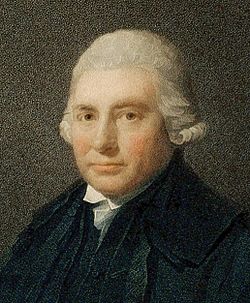
Alexander Monro Secundus
Alexander Monro of Craiglockhart and Cockburn FRSE FRCPE (22 May 1733 – 2 October 1817) was a Scottish anatomist, physician and medical educator. He is typically known as Alexander Monro secundus to distinguish him as the second of three generations of physicians of the same name. His students included the naval physician and abolitionist Thomas Trotter. Monro was from the distinguished Monro of Auchenbowie family. His major achievements included, describing the lymphatic system, providing the most detailed elucidation of the musculo-skeletal system to date and introducing clinical medicine into the curriculum. He is known for the Monro–Kellie doctrine on intracranial pressure, a hypothesis developed by Monro and his former pupil George Kellie, who worked as a surgeon in the port of Leith.
Alexander Monro, the third and youngest son of Isabella Macdonald of Sleat, and Alexander Monro primus was born at Edinburgh on 20 May 1733. He was sent with his brothers to Mr Mundell's school, where he learned the rudiments of Latin and Greek, and showed early evidences of great ability. Among his school-fellows were Ilay Campbell who was afterwards Lord President of the Court of Session and William Ramsay of Barnton, the banker.
Monro's father decided to make him his successor and sent him to the University of Edinburgh when he was 12 years old, to attend the ordinary course of philosophy before beginning his professional training. He studied mathematics under Colin Maclaurin and ethics under Sir John Pringle. He was also a favourite of Matthew Stewart, Professor of Experimental Philosophy.
He showed an interest for anatomy and after entering on the medical course, aged 18, he became a useful assistant to his father in the dissecting room. He attended the lectures of Drs Rutherford, Andrew Plummer, Alston and Sinclair. He possessed an insatiable thirst for medical knowledge, an uncommon share of perseverance, and a good memory.
In the session of 1753–54, his father Alexander Monro primus found his class too large for the lecture room and had to divide the class, repeating his lecture in the evening. This he found difficult, and he experimented with his son (Alexander Monro secundus) taking the evening class. The results were satisfactory and so he presented a petition to the Town Council at the close of the session asking them to appoint his son formally as his successor. This petition was granted on 10 June and Alexander Monro secondus was admitted as conjunct professor on 11 July.
Monro secundus took his degree as Doctor of Medicine on 20 October 1755. He then proceeded to his studies abroad. He spent a short time in London, where he attended the lectures of William Hunter. He next visited Paris and on 17 September 1757 entered Leyden University where he formed a friendship with two famous anatomists, Bernhard Siegfried Albinus and Petrus Camper. However his foreign studies were prosecuted principally at Berlin, where he worked under the celebrated Professor Meckel, in whose house he lived. Alexander spent some time in Edinburgh during early 1757 in order to fill the place of his father, who was confined to the house by illness. He finally was admitted a licentiate of the Royal College of Physicians of Edinburgh on 2 May 1758 and as a Fellow on 1 May 1759. He was to be elected President of the College in 1779. On 12 April 1782 Monro secundus was one of the founding members of the Harveian Society of Edinburgh and served as President in 1785. In 1784 he was elected a member of the Aesculapian Club.
Monro primus delivered the opening anatomy and surgery lectures of the 1758–59 course and then handed the work to his son Alexander Monro secundus.
Monro secundus, although a physician who never practised as a surgeon, in 1777 successfully resisted the appointment of a separate professor of surgery. He gave a full course of lectures, including surgery, every year from 1759 to 1800. From 1800 to 1807, he delivered part of the course, his son Alexander tertius completing it, and in 1808 gave the introductory lecture only.
Alexander Monro Secundus
Alexander Monro of Craiglockhart and Cockburn FRSE FRCPE (22 May 1733 – 2 October 1817) was a Scottish anatomist, physician and medical educator. He is typically known as Alexander Monro secundus to distinguish him as the second of three generations of physicians of the same name. His students included the naval physician and abolitionist Thomas Trotter. Monro was from the distinguished Monro of Auchenbowie family. His major achievements included, describing the lymphatic system, providing the most detailed elucidation of the musculo-skeletal system to date and introducing clinical medicine into the curriculum. He is known for the Monro–Kellie doctrine on intracranial pressure, a hypothesis developed by Monro and his former pupil George Kellie, who worked as a surgeon in the port of Leith.
Alexander Monro, the third and youngest son of Isabella Macdonald of Sleat, and Alexander Monro primus was born at Edinburgh on 20 May 1733. He was sent with his brothers to Mr Mundell's school, where he learned the rudiments of Latin and Greek, and showed early evidences of great ability. Among his school-fellows were Ilay Campbell who was afterwards Lord President of the Court of Session and William Ramsay of Barnton, the banker.
Monro's father decided to make him his successor and sent him to the University of Edinburgh when he was 12 years old, to attend the ordinary course of philosophy before beginning his professional training. He studied mathematics under Colin Maclaurin and ethics under Sir John Pringle. He was also a favourite of Matthew Stewart, Professor of Experimental Philosophy.
He showed an interest for anatomy and after entering on the medical course, aged 18, he became a useful assistant to his father in the dissecting room. He attended the lectures of Drs Rutherford, Andrew Plummer, Alston and Sinclair. He possessed an insatiable thirst for medical knowledge, an uncommon share of perseverance, and a good memory.
In the session of 1753–54, his father Alexander Monro primus found his class too large for the lecture room and had to divide the class, repeating his lecture in the evening. This he found difficult, and he experimented with his son (Alexander Monro secundus) taking the evening class. The results were satisfactory and so he presented a petition to the Town Council at the close of the session asking them to appoint his son formally as his successor. This petition was granted on 10 June and Alexander Monro secondus was admitted as conjunct professor on 11 July.
Monro secundus took his degree as Doctor of Medicine on 20 October 1755. He then proceeded to his studies abroad. He spent a short time in London, where he attended the lectures of William Hunter. He next visited Paris and on 17 September 1757 entered Leyden University where he formed a friendship with two famous anatomists, Bernhard Siegfried Albinus and Petrus Camper. However his foreign studies were prosecuted principally at Berlin, where he worked under the celebrated Professor Meckel, in whose house he lived. Alexander spent some time in Edinburgh during early 1757 in order to fill the place of his father, who was confined to the house by illness. He finally was admitted a licentiate of the Royal College of Physicians of Edinburgh on 2 May 1758 and as a Fellow on 1 May 1759. He was to be elected President of the College in 1779. On 12 April 1782 Monro secundus was one of the founding members of the Harveian Society of Edinburgh and served as President in 1785. In 1784 he was elected a member of the Aesculapian Club.
Monro primus delivered the opening anatomy and surgery lectures of the 1758–59 course and then handed the work to his son Alexander Monro secundus.
Monro secundus, although a physician who never practised as a surgeon, in 1777 successfully resisted the appointment of a separate professor of surgery. He gave a full course of lectures, including surgery, every year from 1759 to 1800. From 1800 to 1807, he delivered part of the course, his son Alexander tertius completing it, and in 1808 gave the introductory lecture only.
Recent media
Recent media