


Community hub
Recent from talks
Contribute something to knowledge base
Content stats: 0 posts, 0 articles, 1 media, 0 notes
Members stats: 0 subscribers, 0 contributors, 0 moderators, 0 supporters
Subscribers
Supporters
Contributors
Moderators
Hub AI
Alligator leather AI simulator
(@Alligator leather_simulator)
Hub AI
Alligator leather AI simulator
(@Alligator leather_simulator)
Alligator leather
Leather is created when an animal skin or hide is chemically treated in a process called tanning to preserve them for long term use as material for clothing, handbags, footwear, furniture, sports equipment and tools. Alligator leather is also commonly used to create similar items as mentioned above.
Alligator leather is not only used due to its durable skin, but also its natural enamel sheen, which is aesthetically pleasing for consumers buying expensive products.
The earliest use of alligator skin was said to be in 1800 in North America. It was used to make boots, shoes, saddles and other products. Despite the first use being recorded in the 1800, alligator skin production increased majorly during the mid-1800s. During the American Civil War in 1861, saddles and boots were made for the Confederate troops. This led to alligator leather rising to the top of choice for leather usage.
The durability and softness attributed to alligator leather today started when commercial tanning began in the early 1900s in New York, New Jersey and Europe. This brought a major increase in demand as a fashion based material. The sudden spike in demand for the leather led to alligator population decreasing in Louisiana in the mid-1900s, Louisiana being the biggest harvesting state in America. 1962 was when alligator hunting was closed statewide due to low numbers, the effect of non-regulated harvests.
By 1967, alligators made the endangered species list in America. This was not for long, however, for in 1987, alligators were no more in threat of endangerment due to the cultivation and conservation efforts that led to their numbers gradually increasing again.
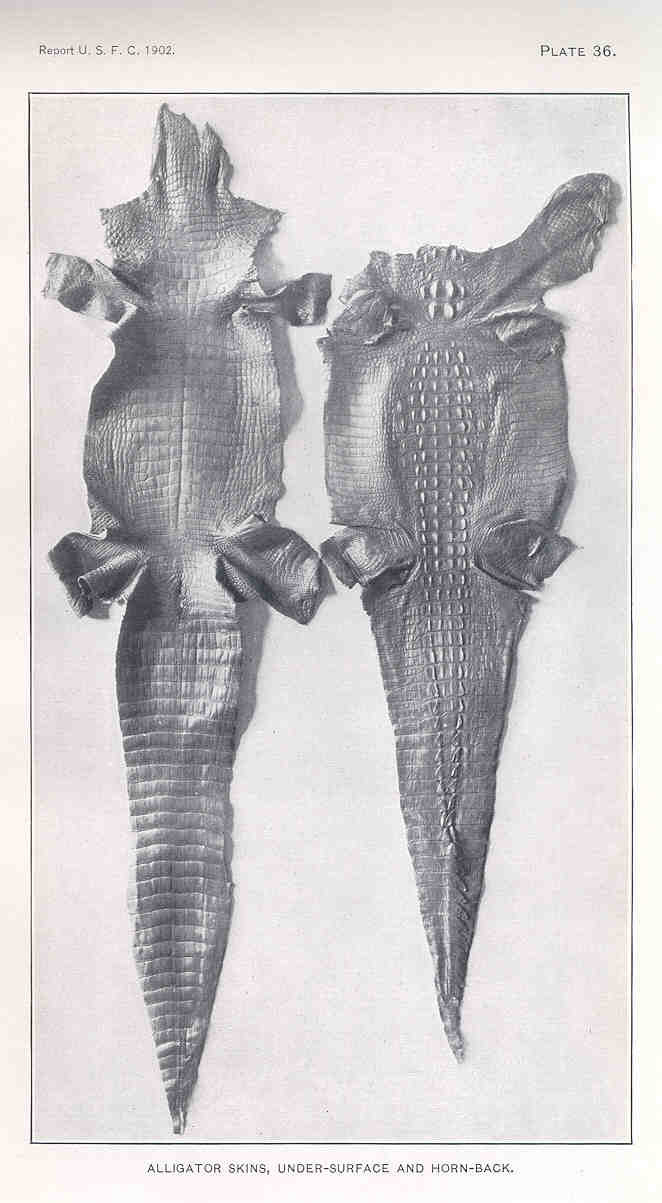
Luxury brands are known to use rare and expensive materials to justify their prices. One of these sought after materials is alligator leather. One particular brand that is synonymous with high-end luxury would be Hermès. One of their most iconic and expensive bags ever made would be their Alligator Birkin that was priced at a staggering US$379,261 at auction. Luxury brands prefer the highest grade under belly section of the alligator, as they usually need a large piece of the hide. Lower grade alligator leather usually has scar tissue that would decrease the value of the product.
Alligator leather shoes and boots are a common sight in high-end retail stores. It also is common for the American Midwest/Cowboy market to invest in alligator Leather boots or shoes due to its durability. While high-grade leather can create exceptional quality, low-grade leather can also be pieced together to create a great product.
Leather use for clothing dates back to 1200BC when ancient Greeks used it as a material as it was durable and helped tackle different climates. While leather is still used as a material for winter clothing, due to its rarity and exclusivity, alligator leather has become a luxury. High-end expensive brands use alligator hide for clothing items, most popular being jackets and winter wear.
Alligator leather
Leather is created when an animal skin or hide is chemically treated in a process called tanning to preserve them for long term use as material for clothing, handbags, footwear, furniture, sports equipment and tools. Alligator leather is also commonly used to create similar items as mentioned above.
Alligator leather is not only used due to its durable skin, but also its natural enamel sheen, which is aesthetically pleasing for consumers buying expensive products.
The earliest use of alligator skin was said to be in 1800 in North America. It was used to make boots, shoes, saddles and other products. Despite the first use being recorded in the 1800, alligator skin production increased majorly during the mid-1800s. During the American Civil War in 1861, saddles and boots were made for the Confederate troops. This led to alligator leather rising to the top of choice for leather usage.
The durability and softness attributed to alligator leather today started when commercial tanning began in the early 1900s in New York, New Jersey and Europe. This brought a major increase in demand as a fashion based material. The sudden spike in demand for the leather led to alligator population decreasing in Louisiana in the mid-1900s, Louisiana being the biggest harvesting state in America. 1962 was when alligator hunting was closed statewide due to low numbers, the effect of non-regulated harvests.
By 1967, alligators made the endangered species list in America. This was not for long, however, for in 1987, alligators were no more in threat of endangerment due to the cultivation and conservation efforts that led to their numbers gradually increasing again.
Luxury brands are known to use rare and expensive materials to justify their prices. One of these sought after materials is alligator leather. One particular brand that is synonymous with high-end luxury would be Hermès. One of their most iconic and expensive bags ever made would be their Alligator Birkin that was priced at a staggering US$379,261 at auction. Luxury brands prefer the highest grade under belly section of the alligator, as they usually need a large piece of the hide. Lower grade alligator leather usually has scar tissue that would decrease the value of the product.
Alligator leather shoes and boots are a common sight in high-end retail stores. It also is common for the American Midwest/Cowboy market to invest in alligator Leather boots or shoes due to its durability. While high-grade leather can create exceptional quality, low-grade leather can also be pieced together to create a great product.
Leather use for clothing dates back to 1200BC when ancient Greeks used it as a material as it was durable and helped tackle different climates. While leather is still used as a material for winter clothing, due to its rarity and exclusivity, alligator leather has become a luxury. High-end expensive brands use alligator hide for clothing items, most popular being jackets and winter wear.
Recent media
Recent media