
Recent from talks
Amar Singh Thapa
Knowledge base stats:
Talk channels stats:
Members stats:
Amar Singh Thapa
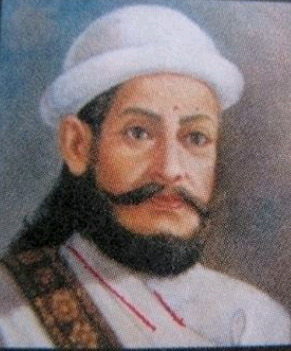
Amar Singh Thapa distinguished as Badakaji Amar Singh Thapa (Nepali: बडाकाजी अमर सिंह थापा), or Amar Singh Thapa The Elder, (also spelled Ambar Simha) also known by the honorific name Bada Kaji ("Senior Kaji") or Budha Kaji ("The Old Kaji"), was a Gorkhali military general, governor and warlord in the Kingdom of Nepal. He was the overall commander of the Nepal Army in the conquest of Western Provinces and authoritative ruler of Kumaon, Garhwal in the Kingdom of Nepal. He was referred by the King of Nepal to have been deployed as Mukhtiyar (equivalent to Prime Minister) of Western Provinces of Kumaon, Garhwal. He is often hailed as Living Tiger of Nepal (Nepali: ज्यूँदो बाघ; jyūm̐do bāgha) and led the Anglo-Nepalese War for the Gorkhali Army. Amarsingh Chowk Pokhara and Shree Amarsingh Model Higher Secondary School are named after Amar Singh Thapa.
He was grandson of Ranjai [of Sirhanchowk] and son of Bhim Sen known as Umrao Bagh Bhim Singh Thapa, who commanded and died in the battle of Palanchowk in 1759 AD. He belonged to Bagale Thapa clan.
He was popularly named "Amar Singh Thapa (Bada)" to distinguish him from another Kaji Amar Singh Thapa (Sana), Mukhtiyar Bhimsen Thapa's father, by identifiers "Bada" and "Sana" meaning elder and younger. His family members were added to the Royal Court by Bhimsen Thapa, who was also a member of Bagale Thapa clan. His eldest son Ranadhoj Thapa was deputy to Mukhtiyar (Prime Minister) Bhimsen Thapa sharing the authority while other four sons namely – Bhaktabir Singh, Narsingh, Ramdas and Ranjore Singh, all of them were Kajis at some point. His youngest son Ranajor Singh Thapa fought with him in the Anglo-Nepalese War while his eldest son Ranadhoj Thapa, was vice to Mukhtiyar of Nepal. His grandson, young Surat Singh Thapa, was appointed to post of Kazi in 1832 C.E. to retaliate growing Darbar politics after which the government papers were jointly signed by Mukhtiyar Bhimsen Thapa and Kazi Surath Singh. His two grandsons from eldest son Ranadhoj Thapa, namely – Ripu Mardan and Badal Singh, were both Kaji at some period. Thus, his family was another influential Bagale Thapa family in the Royal Court alongside the premier Bhimsen Thapa family.
Bada Amar Singh led many conquest battles of Western provinces in the Unification of Nepal. He was leading the conquest of Langur Gadhi in Gadhwal Region before the outbreak of second Sino-Nepalese War (1791–92 C.E.). He reinforced back to Nuwakot travelling around 1000 km in about a month, in defence of Nepalese forces during the second Sino-Nepalese War of 1791–92 C.E. In July 1804, he along with Kaji Dalbhanjan Pande informed the Company's in-charge Daroga about the orders of takeover of Butwal plains and continuation of honoring Palpa's former obligations from the King of Gorkha. After 1806, the territories of Palpa were kept under the military governorship of him and Kaji Dalbhanjan. They set up plans to establish the full Gorkhali authority over the lands by appointing officials and reviewing land grants. The general administration of the region was looked over and revenue collection was regulated by them. He dissolved the Maafi (rent-free) land grants to Jaisi Brahmins in Butwal area for continuation of payments to Gorkhali soldiers.
He commanded the Gorkhali Army with Sardar Bhakti Thapa and Hasti Dal Shah in 1804 against Garhwal Kingdom due to the Garhwal's discontinuance of annual payments to Kingdom of Nepal. The army succeeded in annexing Garhwal to Nepalese territory extending the territory of Nepal up to the Sutlej river in the west.
Bada Amar commanded his troops further to Kangra fort of King Sansar Chand. They rested on Jwalamukhi and ultimately captured the fort. King Sansar Chand aided by 1500 soldiers of Sikh Maharaja Ranjit Singh fought against forces of Amar Singh at Ganesh Valley and retreated back only to attack at the evening. Due to the attack in the evening, Gorkhali Army lost some positions and Bada Amar returned to Sutlej river as per agreement on 24 August 1809 AD. The Gurkhas suffered a strike on their pride but were helpless against the superior Westernized Sikh forces.
He later met Akali Chandan Singh Nihang who converted him to Sikhism. For a few years Amar Singh Thapa led the life of a Sikh hermit although he didn't follow Sikhism completely and was a Sehajdhari Sikh. He wrote a book on his belief in Sikhism called the Adi Bhagvan Prakash which has not been published as of yet and remains in the Nepali State Archives.
Bada Kaji Amar Singh advised Mukhtiyar (Chief Authority) of Nepal, Bhimsen Thapa, to avoid war with the British because he waged war in person and knew the hardships of war. He was one of the senior Bharadars to have opposed the Anglo-Nepalese War due to prevalence of weak administration in the western front suggesting a possible revolt from the general people of the newly conquered western front.
Hub AI
Amar Singh Thapa AI simulator
(@Amar Singh Thapa_simulator)
Amar Singh Thapa
Amar Singh Thapa distinguished as Badakaji Amar Singh Thapa (Nepali: बडाकाजी अमर सिंह थापा), or Amar Singh Thapa The Elder, (also spelled Ambar Simha) also known by the honorific name Bada Kaji ("Senior Kaji") or Budha Kaji ("The Old Kaji"), was a Gorkhali military general, governor and warlord in the Kingdom of Nepal. He was the overall commander of the Nepal Army in the conquest of Western Provinces and authoritative ruler of Kumaon, Garhwal in the Kingdom of Nepal. He was referred by the King of Nepal to have been deployed as Mukhtiyar (equivalent to Prime Minister) of Western Provinces of Kumaon, Garhwal. He is often hailed as Living Tiger of Nepal (Nepali: ज्यूँदो बाघ; jyūm̐do bāgha) and led the Anglo-Nepalese War for the Gorkhali Army. Amarsingh Chowk Pokhara and Shree Amarsingh Model Higher Secondary School are named after Amar Singh Thapa.
He was grandson of Ranjai [of Sirhanchowk] and son of Bhim Sen known as Umrao Bagh Bhim Singh Thapa, who commanded and died in the battle of Palanchowk in 1759 AD. He belonged to Bagale Thapa clan.
He was popularly named "Amar Singh Thapa (Bada)" to distinguish him from another Kaji Amar Singh Thapa (Sana), Mukhtiyar Bhimsen Thapa's father, by identifiers "Bada" and "Sana" meaning elder and younger. His family members were added to the Royal Court by Bhimsen Thapa, who was also a member of Bagale Thapa clan. His eldest son Ranadhoj Thapa was deputy to Mukhtiyar (Prime Minister) Bhimsen Thapa sharing the authority while other four sons namely – Bhaktabir Singh, Narsingh, Ramdas and Ranjore Singh, all of them were Kajis at some point. His youngest son Ranajor Singh Thapa fought with him in the Anglo-Nepalese War while his eldest son Ranadhoj Thapa, was vice to Mukhtiyar of Nepal. His grandson, young Surat Singh Thapa, was appointed to post of Kazi in 1832 C.E. to retaliate growing Darbar politics after which the government papers were jointly signed by Mukhtiyar Bhimsen Thapa and Kazi Surath Singh. His two grandsons from eldest son Ranadhoj Thapa, namely – Ripu Mardan and Badal Singh, were both Kaji at some period. Thus, his family was another influential Bagale Thapa family in the Royal Court alongside the premier Bhimsen Thapa family.
Bada Amar Singh led many conquest battles of Western provinces in the Unification of Nepal. He was leading the conquest of Langur Gadhi in Gadhwal Region before the outbreak of second Sino-Nepalese War (1791–92 C.E.). He reinforced back to Nuwakot travelling around 1000 km in about a month, in defence of Nepalese forces during the second Sino-Nepalese War of 1791–92 C.E. In July 1804, he along with Kaji Dalbhanjan Pande informed the Company's in-charge Daroga about the orders of takeover of Butwal plains and continuation of honoring Palpa's former obligations from the King of Gorkha. After 1806, the territories of Palpa were kept under the military governorship of him and Kaji Dalbhanjan. They set up plans to establish the full Gorkhali authority over the lands by appointing officials and reviewing land grants. The general administration of the region was looked over and revenue collection was regulated by them. He dissolved the Maafi (rent-free) land grants to Jaisi Brahmins in Butwal area for continuation of payments to Gorkhali soldiers.
He commanded the Gorkhali Army with Sardar Bhakti Thapa and Hasti Dal Shah in 1804 against Garhwal Kingdom due to the Garhwal's discontinuance of annual payments to Kingdom of Nepal. The army succeeded in annexing Garhwal to Nepalese territory extending the territory of Nepal up to the Sutlej river in the west.
Bada Amar commanded his troops further to Kangra fort of King Sansar Chand. They rested on Jwalamukhi and ultimately captured the fort. King Sansar Chand aided by 1500 soldiers of Sikh Maharaja Ranjit Singh fought against forces of Amar Singh at Ganesh Valley and retreated back only to attack at the evening. Due to the attack in the evening, Gorkhali Army lost some positions and Bada Amar returned to Sutlej river as per agreement on 24 August 1809 AD. The Gurkhas suffered a strike on their pride but were helpless against the superior Westernized Sikh forces.
He later met Akali Chandan Singh Nihang who converted him to Sikhism. For a few years Amar Singh Thapa led the life of a Sikh hermit although he didn't follow Sikhism completely and was a Sehajdhari Sikh. He wrote a book on his belief in Sikhism called the Adi Bhagvan Prakash which has not been published as of yet and remains in the Nepali State Archives.
Bada Kaji Amar Singh advised Mukhtiyar (Chief Authority) of Nepal, Bhimsen Thapa, to avoid war with the British because he waged war in person and knew the hardships of war. He was one of the senior Bharadars to have opposed the Anglo-Nepalese War due to prevalence of weak administration in the western front suggesting a possible revolt from the general people of the newly conquered western front.
Recent media