
Recent from talks
Bhakti Thapa
Knowledge base stats:
Talk channels stats:
Members stats:
Bhakti Thapa
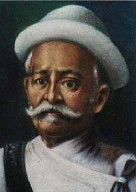
Bhakti Thapa Chhetri (Nepali: भक्ति थापा क्षेत्री; 1741 A.D. Lamjung, Nepal – 1815 A.D.) was a Nepali military commander and administrator in the Kingdom of Nepal. Initially, he served the Kingdom of Lamjung. He is considered one of the national heroes of Nepal.
Grand Old Man Bhakti Thapa Chhetri as a punwar Thapa was the Sardar (commander) of Lamjung state. He fought against Gorkhali in the battle from the side of Kehari Narayan, the King of Lamjung. After the fall of Lamjung in the battle against the Gorkhali (Nepali) forces, he was captured and brought to Kathmandu as a prisoner of war. Later he was appointed as sirdar (one of the sirdars) in the Nepali army. Two years after the unification of Jumla, he was made the supreme commander (Sardar) of the Nepalese army stationed to the west of the capital in a region that stretched almost up to the Sutlej river, and also the administrator of this region.
Sardar Bhakti Thapa had great success in the unification of the Jumla District. He was involved in the Anglo-Nepali War. His most important contribution to the war was at the western front of Deothal.
In the Anglo-Nepal war, Sardar Bhakti Thapa was controlling the operation of the whole Western Region of Nepal from the fort of Malaun, whereas the fort of Surajgadh was in the south of this fort. As the British forces had control over the fort of Deuthal, 1,000 yards (910 m) away from Malaun fort, the whole of the Western Region was at stake, which made Sardar Bhakti Thapa Chhetri go to the battlefield, taking naked Khukuri and sword on his hand, along with 2,000 Nepali soldiers amidst the fierce gun-firing of the British army on April 16, 1815. There was fierce fighting between the two forces, killing 100 soldiers of the British army while all the officers were killed except only in the arsenal. In this battle when Sardar Bhakti Thapa Chhetri tried to capture a British cannon, he was hit by a bullet at his heart. Major David Ochterlony, handed over very respectfully to the Nepali army, the dead body of Sardar Bhakti Thapa Chhetri after covering it with dosalla (a woollen shawl). The very next day, his body was cremated with the due state guard of honour. His two wives committed Sati (burning themselves on their husband's pyre). Before going to the battlefield, he had handed over his grandson to Bada Kaji Amar Singh Thapa Chhetri. Sitting at the foot of the flag of Nepal, Bada Kaji Amar Singh Thapa Chhetri and Ram Das, the son of Sardar Bhakti Thapa Chhetri, encouraged the Nepalese army to look around at the sight of war. The Deothal battle marked a significant moment in the Anglo-Nepal War, demonstrating Nepalese resilience despite the eventual British advance. Historians and local traditions often describe Sardar Bhakti Thapa's actions at the Deothal battle as legendary, reflecting his dedication to Nepal's sovereignty.
He was Thapa Chhetri. He belonged to the Punwar Thapa clan.
According to recent historians, Bhakti Thapa was born in 1741. Bhakti Thapa's family lived in Dhangai, a remote village in Lamjung. Very little is known about the childhood life of Bhakti Thapa. There was, however, an unbelievable incident in the early life of Bhakti Thapa. That incident is virtually like a description from the children's storybook. The full details of that incident had been passed down through the generations. Still, many old people in Lamjung are seen telling that incident to their youngsters. That incident is described below.
Bhakti Thapa was still a very young boy. One day he was sleeping on a big boulder not far away from his house in a remote village of Lamjung while his flocks of goats grazed the buckwheat field of the neighbour. The old neighbour woman stormed out of her house into the place where Bhakti Thapa was fast asleep in a rage cursing him for his misdeeds. What she saw at that time chilled her blood. Bhakti Thapa was sleeping on a big serpent coiled up on the boulder raising its wide hood high above the casting shed that protected the young Bhakti Thapa against the scorching heat of the midday sun. The serpent slowly uncoiled without waking up the boy and descended from the boulder. It disappeared from sight after slipping into the bushes nearby.
The parents of Bhakti Thapa were terribly distressed when they learnt about the whole incident. They thanked God for saving the life of their beloved son. The old neighbour woman who saw the whole incident had a completely different opinion. The neighbor, witnessing the event, believed that Bhakti Thapa might have a significant destiny, a sentiment that contributed to local folklore about his early life. He possessed some sort of divine power. She was quick to realize that one day Bhakti Thapa would become a very famous person. The news of this incident quickly spread across the Lamjung and beyond.
Hub AI
Bhakti Thapa AI simulator
(@Bhakti Thapa_simulator)
Bhakti Thapa
Bhakti Thapa Chhetri (Nepali: भक्ति थापा क्षेत्री; 1741 A.D. Lamjung, Nepal – 1815 A.D.) was a Nepali military commander and administrator in the Kingdom of Nepal. Initially, he served the Kingdom of Lamjung. He is considered one of the national heroes of Nepal.
Grand Old Man Bhakti Thapa Chhetri as a punwar Thapa was the Sardar (commander) of Lamjung state. He fought against Gorkhali in the battle from the side of Kehari Narayan, the King of Lamjung. After the fall of Lamjung in the battle against the Gorkhali (Nepali) forces, he was captured and brought to Kathmandu as a prisoner of war. Later he was appointed as sirdar (one of the sirdars) in the Nepali army. Two years after the unification of Jumla, he was made the supreme commander (Sardar) of the Nepalese army stationed to the west of the capital in a region that stretched almost up to the Sutlej river, and also the administrator of this region.
Sardar Bhakti Thapa had great success in the unification of the Jumla District. He was involved in the Anglo-Nepali War. His most important contribution to the war was at the western front of Deothal.
In the Anglo-Nepal war, Sardar Bhakti Thapa was controlling the operation of the whole Western Region of Nepal from the fort of Malaun, whereas the fort of Surajgadh was in the south of this fort. As the British forces had control over the fort of Deuthal, 1,000 yards (910 m) away from Malaun fort, the whole of the Western Region was at stake, which made Sardar Bhakti Thapa Chhetri go to the battlefield, taking naked Khukuri and sword on his hand, along with 2,000 Nepali soldiers amidst the fierce gun-firing of the British army on April 16, 1815. There was fierce fighting between the two forces, killing 100 soldiers of the British army while all the officers were killed except only in the arsenal. In this battle when Sardar Bhakti Thapa Chhetri tried to capture a British cannon, he was hit by a bullet at his heart. Major David Ochterlony, handed over very respectfully to the Nepali army, the dead body of Sardar Bhakti Thapa Chhetri after covering it with dosalla (a woollen shawl). The very next day, his body was cremated with the due state guard of honour. His two wives committed Sati (burning themselves on their husband's pyre). Before going to the battlefield, he had handed over his grandson to Bada Kaji Amar Singh Thapa Chhetri. Sitting at the foot of the flag of Nepal, Bada Kaji Amar Singh Thapa Chhetri and Ram Das, the son of Sardar Bhakti Thapa Chhetri, encouraged the Nepalese army to look around at the sight of war. The Deothal battle marked a significant moment in the Anglo-Nepal War, demonstrating Nepalese resilience despite the eventual British advance. Historians and local traditions often describe Sardar Bhakti Thapa's actions at the Deothal battle as legendary, reflecting his dedication to Nepal's sovereignty.
He was Thapa Chhetri. He belonged to the Punwar Thapa clan.
According to recent historians, Bhakti Thapa was born in 1741. Bhakti Thapa's family lived in Dhangai, a remote village in Lamjung. Very little is known about the childhood life of Bhakti Thapa. There was, however, an unbelievable incident in the early life of Bhakti Thapa. That incident is virtually like a description from the children's storybook. The full details of that incident had been passed down through the generations. Still, many old people in Lamjung are seen telling that incident to their youngsters. That incident is described below.
Bhakti Thapa was still a very young boy. One day he was sleeping on a big boulder not far away from his house in a remote village of Lamjung while his flocks of goats grazed the buckwheat field of the neighbour. The old neighbour woman stormed out of her house into the place where Bhakti Thapa was fast asleep in a rage cursing him for his misdeeds. What she saw at that time chilled her blood. Bhakti Thapa was sleeping on a big serpent coiled up on the boulder raising its wide hood high above the casting shed that protected the young Bhakti Thapa against the scorching heat of the midday sun. The serpent slowly uncoiled without waking up the boy and descended from the boulder. It disappeared from sight after slipping into the bushes nearby.
The parents of Bhakti Thapa were terribly distressed when they learnt about the whole incident. They thanked God for saving the life of their beloved son. The old neighbour woman who saw the whole incident had a completely different opinion. The neighbor, witnessing the event, believed that Bhakti Thapa might have a significant destiny, a sentiment that contributed to local folklore about his early life. He possessed some sort of divine power. She was quick to realize that one day Bhakti Thapa would become a very famous person. The news of this incident quickly spread across the Lamjung and beyond.
Recent media