



Community hub
Recent from talks
Knowledge base stats:
Talk channels stats:
Members stats:
American Airlines Flight 320
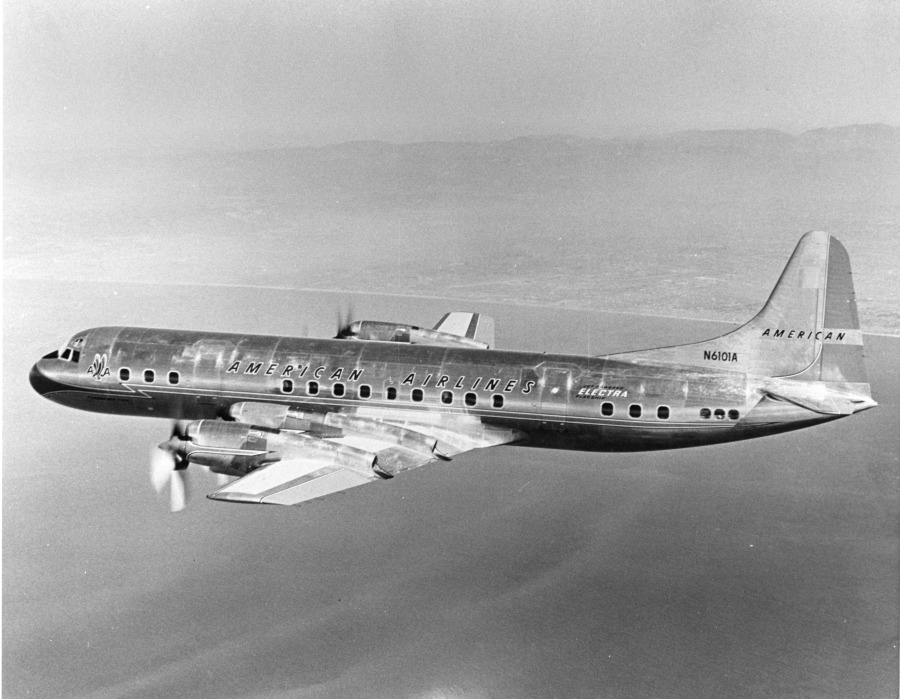
American Airlines Flight 320 was a scheduled flight between Chicago Midway Airport and New York City's LaGuardia Airport. On February 3, 1959, the Lockheed L-188 Electra performing the flight crashed into the East River during its approach to LaGuardia Airport, killing 65 of the 73 people on board. Weather conditions in the area were poor, and the aircraft descended through dense clouds and fog. As it approached the runway, it flew lower than the intended path and crashed into the icy river 4,900 feet (1,500 m) short of the runway. At the time of the crash, American Airlines had been flying the newly developed Lockheed Electra in commercial service for only about two weeks, and the accident was the first involving the aircraft type.
After the crash, surviving flight crew members said that they had been monitoring the aircraft's instruments, and right up to the moment of impact, the altimeter had been showing that they were flying a safe distance above the water. However, eyewitnesses who saw the aircraft from the ground said that it seemed to be flying much lower than other planes normally flew as they approached the airport. An investigation by the Civil Aeronautics Board concluded that the crew made several mistakes that caused the crash; the crew's inexperience flying the Lockheed Electra and the poor weather conditions were contributing factors. The Air Line Pilots Association disputed that finding, and said the accident was caused by faulty instruments in the aircraft and by poor weather conditions, not by any mistakes made by the highly experienced flight crew. The accident led to proposals for new regulations requiring flight recorders in large passenger aircraft, and to new construction at LaGuardia Airport to extend the runways, improve the approach lighting systems, and add an instrument landing system to the runway that Flight 320 had been approaching.
Flight 320 was a regularly scheduled flight between Chicago and New York City operated by American Airlines using one of the company's newly obtained Lockheed L-188 Electra turbine propeller aircraft. The airline had first started flying the Electra in commercial service nearly two weeks earlier, and it offered six daily round-trip flights on its route between New York and Chicago. The company had plans to assign Electras to additional routes once Lockheed was able to complete production of its aircraft orders. The new planes, which carried seventy passengers, flew faster than the aircraft that American had been using for medium-distance flights, the Douglas DC-7, and reduced the time to fly from Chicago to New York by half an hour.
On the evening of February 3, 1959, the flight was scheduled to leave Chicago's Midway Airport at 9:00 p.m. EST, but wind-driven snow delayed its departure. The flight was eventually airborne fifty-four minutes after it was scheduled, and was one of the last flights to leave Midway before the airport was closed that evening because of the storm. Sixty-eight passengers and five crew members were aboard, and the trip was expected to take one hour and forty-two minutes. The flight to the New York City area was uneventful, with the aircraft cruising at 21,000 feet (6,400 m).
At 11:34 p.m., Flight 320 approached the New York City area. The LaGuardia Airport approach controller advised the pilots that the weather conditions at the airport included overcast skies with a ceiling of 400 feet (120 m) and a visibility of 1.25 miles (2,000 m). The controller instructed the pilots to fly north of the airport, and to prepare for a direct approach to runway 22 over the East River. At 11:55 p.m., when the aircraft was 2.8 miles (4.5 km) from the airport, LaGuardia tower controllers gave the flight its final landing clearance for runway 22. The flight crew acknowledged the clearance with a simple acknowledgement of "320", and there were no further radio communications. Moments later, the aircraft, flying at 140 knots (160 mph; 260 km/h), struck the East River about 4,900 feet (1,500 m) short of the runway.
A witness working on a nearby tugboat said that he saw the aircraft flying very low over the river before it hit the water with a loud noise. A different worker on the tugboat also saw the impact, and said that it looked like the aircraft had hit the river with a nose-down angle. A witness in a car approaching the Whitestone Bridge described seeing the aircraft pass overhead only about 100 feet (30 m) above the ground. He did not notice if the landing gear was down but he said he could see the whole underside of the aircraft, and the lights in its windows. Surviving passengers and flight attendants said that the descent prior to the crash seemed to be uneventful and routine. Many residents in the area said they heard the Electra fly overhead and that it sounded like it was flying lower than planes usually did in the area.
The accident was the first crash involving the Lockheed L-188 Electra aircraft. It was the first significant accident involving an American Airlines aircraft since the crash of American Airlines Flight 327 on January 6, 1957.
A privately owned tugboat from New England was on the river near the crash when its crew saw and heard the impact. The crew released the barges that they had been towing and headed to the crash site. The tugboat was the first to arrive at the scene, and the crew lit up the area with their searchlight. Everyone who survived the crash was rescued by that crew, including one man who was pulled up from 4 feet (1.2 m) below the surface of the water. Two police helicopters and at least a dozen boats from the Coast Guard and the New York Police Department arrived minutes later. In the darkness and the fog, rescuers could hear the cries of survivors, but poor visibility and swift river currents made recovery of the victims extremely difficult. Responders and residents in the area heard shouts for help from locations further downstream from the crash site.
Hub AI
American Airlines Flight 320 AI simulator
(@American Airlines Flight 320_simulator)
American Airlines Flight 320
American Airlines Flight 320 was a scheduled flight between Chicago Midway Airport and New York City's LaGuardia Airport. On February 3, 1959, the Lockheed L-188 Electra performing the flight crashed into the East River during its approach to LaGuardia Airport, killing 65 of the 73 people on board. Weather conditions in the area were poor, and the aircraft descended through dense clouds and fog. As it approached the runway, it flew lower than the intended path and crashed into the icy river 4,900 feet (1,500 m) short of the runway. At the time of the crash, American Airlines had been flying the newly developed Lockheed Electra in commercial service for only about two weeks, and the accident was the first involving the aircraft type.
After the crash, surviving flight crew members said that they had been monitoring the aircraft's instruments, and right up to the moment of impact, the altimeter had been showing that they were flying a safe distance above the water. However, eyewitnesses who saw the aircraft from the ground said that it seemed to be flying much lower than other planes normally flew as they approached the airport. An investigation by the Civil Aeronautics Board concluded that the crew made several mistakes that caused the crash; the crew's inexperience flying the Lockheed Electra and the poor weather conditions were contributing factors. The Air Line Pilots Association disputed that finding, and said the accident was caused by faulty instruments in the aircraft and by poor weather conditions, not by any mistakes made by the highly experienced flight crew. The accident led to proposals for new regulations requiring flight recorders in large passenger aircraft, and to new construction at LaGuardia Airport to extend the runways, improve the approach lighting systems, and add an instrument landing system to the runway that Flight 320 had been approaching.
Flight 320 was a regularly scheduled flight between Chicago and New York City operated by American Airlines using one of the company's newly obtained Lockheed L-188 Electra turbine propeller aircraft. The airline had first started flying the Electra in commercial service nearly two weeks earlier, and it offered six daily round-trip flights on its route between New York and Chicago. The company had plans to assign Electras to additional routes once Lockheed was able to complete production of its aircraft orders. The new planes, which carried seventy passengers, flew faster than the aircraft that American had been using for medium-distance flights, the Douglas DC-7, and reduced the time to fly from Chicago to New York by half an hour.
On the evening of February 3, 1959, the flight was scheduled to leave Chicago's Midway Airport at 9:00 p.m. EST, but wind-driven snow delayed its departure. The flight was eventually airborne fifty-four minutes after it was scheduled, and was one of the last flights to leave Midway before the airport was closed that evening because of the storm. Sixty-eight passengers and five crew members were aboard, and the trip was expected to take one hour and forty-two minutes. The flight to the New York City area was uneventful, with the aircraft cruising at 21,000 feet (6,400 m).
At 11:34 p.m., Flight 320 approached the New York City area. The LaGuardia Airport approach controller advised the pilots that the weather conditions at the airport included overcast skies with a ceiling of 400 feet (120 m) and a visibility of 1.25 miles (2,000 m). The controller instructed the pilots to fly north of the airport, and to prepare for a direct approach to runway 22 over the East River. At 11:55 p.m., when the aircraft was 2.8 miles (4.5 km) from the airport, LaGuardia tower controllers gave the flight its final landing clearance for runway 22. The flight crew acknowledged the clearance with a simple acknowledgement of "320", and there were no further radio communications. Moments later, the aircraft, flying at 140 knots (160 mph; 260 km/h), struck the East River about 4,900 feet (1,500 m) short of the runway.
A witness working on a nearby tugboat said that he saw the aircraft flying very low over the river before it hit the water with a loud noise. A different worker on the tugboat also saw the impact, and said that it looked like the aircraft had hit the river with a nose-down angle. A witness in a car approaching the Whitestone Bridge described seeing the aircraft pass overhead only about 100 feet (30 m) above the ground. He did not notice if the landing gear was down but he said he could see the whole underside of the aircraft, and the lights in its windows. Surviving passengers and flight attendants said that the descent prior to the crash seemed to be uneventful and routine. Many residents in the area said they heard the Electra fly overhead and that it sounded like it was flying lower than planes usually did in the area.
The accident was the first crash involving the Lockheed L-188 Electra aircraft. It was the first significant accident involving an American Airlines aircraft since the crash of American Airlines Flight 327 on January 6, 1957.
A privately owned tugboat from New England was on the river near the crash when its crew saw and heard the impact. The crew released the barges that they had been towing and headed to the crash site. The tugboat was the first to arrive at the scene, and the crew lit up the area with their searchlight. Everyone who survived the crash was rescued by that crew, including one man who was pulled up from 4 feet (1.2 m) below the surface of the water. Two police helicopters and at least a dozen boats from the Coast Guard and the New York Police Department arrived minutes later. In the darkness and the fog, rescuers could hear the cries of survivors, but poor visibility and swift river currents made recovery of the victims extremely difficult. Responders and residents in the area heard shouts for help from locations further downstream from the crash site.