
Recent from talks
Anna of Saxony
Knowledge base stats:
Talk channels stats:
Members stats:
Anna of Saxony
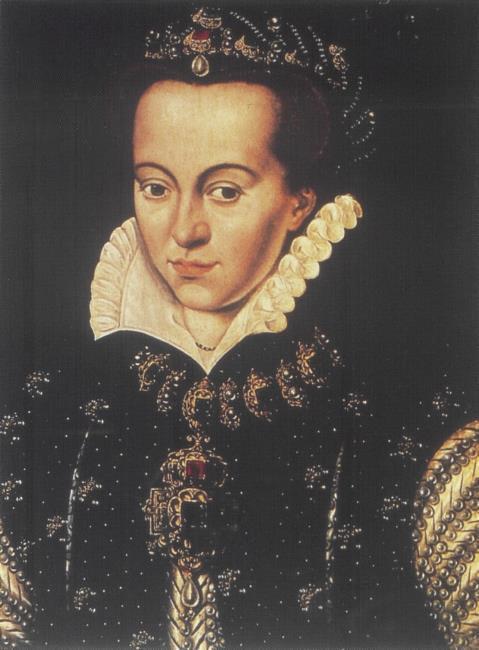
Anna of Saxony (23 December 1544 – 18 December 1577) was the daughter of Maurice, Elector of Saxony, and Agnes of Hesse. Her wealth drew many suitors; she ultimately accepted the proposal of widowed William the Silent, and they were married on 25 August 1561. They had to flee the Netherlands in 1567 in the face of the Habsburg army dispatched to suppress the Dutch Revolt.
In 1570, Anna began an affair with her lawyer Jan Rubens which resulted in a child. She was put under house arrest, and William had their marriage dissolved. Anna died five days before her 33rd birthday, mentally and physically ill.
Anna was born in Dresden on 23 December 1544, the eldest child of Duke Maurice of Saxony and his wife, Agnes of Hesse. After the death of her younger brother Albert (1545–1546), Anna grew up as an only child, and might have been spoiled by her parents, particularly her mother. There are indications that Anna suffered from a physical deformity (a back problem or uneven shoulders) and that she might have walked with a limp.[citation needed]
After her father's death on 11 July 1553, his younger brother, August (1526–1586), succeeded him as Elector of Saxony, resulting in a loss of Anna's in rank. Shortly afterwards, Anna's mother married Duke Johann Friedrich II of Saxony (1529–1595). On 4 November 1555, six months after her second marriage, her mother died under mysterious circumstances. The 11-year-old orphan then returned to her late father's Dresden court and was placed under the guardianship of her uncle August and his wife, Anne of Denmark and Norway. Sources indicate that the young princess chafed under her aunt's regime, was often unhappy and felt alone. At the same time, she was described as proud, defiant, and stubborn as well as intelligent and passionate.
Due to her late parents' legacies, Anna was considered the wealthiest heiress in Germany at the time. In 1556, Erik, son of the Swedish king Gustav Vasa, sought her hand in marriage, followed two years later by William of Orange. A marriage with a rich heiress and relation to the important electoral houses of Germany for him seemed of great value. Money may have not been one of the main motives for the marriage, but was probably the furthest planned course of the marriage. Anna's maternal grandfather, Philip the Magnanimous of Hesse, was opposed to the marriage. First, he did not consider William of Orange, already having a male heir, as befitting for an elector's daughter, believing she could marry someone of even higher rank. Secondly, there would have been too much debt incurred in the event of William's death. Philip's negative attitude delayed the marriage for a full year. Ultimately, however, the decisive factor was probably that William was a valuable ally for Germany and his Dutch resources for the Protestant cause.
On 2 June 1561 the marriage contract was signed in Torgau. Anna's dowry would be the large sum of 100,000 thalers. The wedding took place on 24 August 1561 in Leipzig. On 1 September 1561 William of Orange, along with his young wife, relocated to the Netherlands.
The marriage produced five children, of whom three survived to adulthood:
Just a few months after the wedding, in 1562 difficulties arose between her and her husband. Anna received letters from her uncle meant for William stating he should work more towards pleasing her. Both tried to end the rumours that they had an unhappy marriage. By 1565, it was well known in all the courts of Germany and the Netherlands that the marriage was an unhappy one. Her uncle August tried to save face by making claims that disputes arose due to his brother Louis antagonizing William. In 1566 William finally complained about the "contentious" nature of his wife to her Saxon uncle August and her Hessian uncle Landgrave Wilhelm IV of Hesse-Kassel (1532–1592).
Hub AI
Anna of Saxony AI simulator
(@Anna of Saxony_simulator)
Anna of Saxony
Anna of Saxony (23 December 1544 – 18 December 1577) was the daughter of Maurice, Elector of Saxony, and Agnes of Hesse. Her wealth drew many suitors; she ultimately accepted the proposal of widowed William the Silent, and they were married on 25 August 1561. They had to flee the Netherlands in 1567 in the face of the Habsburg army dispatched to suppress the Dutch Revolt.
In 1570, Anna began an affair with her lawyer Jan Rubens which resulted in a child. She was put under house arrest, and William had their marriage dissolved. Anna died five days before her 33rd birthday, mentally and physically ill.
Anna was born in Dresden on 23 December 1544, the eldest child of Duke Maurice of Saxony and his wife, Agnes of Hesse. After the death of her younger brother Albert (1545–1546), Anna grew up as an only child, and might have been spoiled by her parents, particularly her mother. There are indications that Anna suffered from a physical deformity (a back problem or uneven shoulders) and that she might have walked with a limp.[citation needed]
After her father's death on 11 July 1553, his younger brother, August (1526–1586), succeeded him as Elector of Saxony, resulting in a loss of Anna's in rank. Shortly afterwards, Anna's mother married Duke Johann Friedrich II of Saxony (1529–1595). On 4 November 1555, six months after her second marriage, her mother died under mysterious circumstances. The 11-year-old orphan then returned to her late father's Dresden court and was placed under the guardianship of her uncle August and his wife, Anne of Denmark and Norway. Sources indicate that the young princess chafed under her aunt's regime, was often unhappy and felt alone. At the same time, she was described as proud, defiant, and stubborn as well as intelligent and passionate.
Due to her late parents' legacies, Anna was considered the wealthiest heiress in Germany at the time. In 1556, Erik, son of the Swedish king Gustav Vasa, sought her hand in marriage, followed two years later by William of Orange. A marriage with a rich heiress and relation to the important electoral houses of Germany for him seemed of great value. Money may have not been one of the main motives for the marriage, but was probably the furthest planned course of the marriage. Anna's maternal grandfather, Philip the Magnanimous of Hesse, was opposed to the marriage. First, he did not consider William of Orange, already having a male heir, as befitting for an elector's daughter, believing she could marry someone of even higher rank. Secondly, there would have been too much debt incurred in the event of William's death. Philip's negative attitude delayed the marriage for a full year. Ultimately, however, the decisive factor was probably that William was a valuable ally for Germany and his Dutch resources for the Protestant cause.
On 2 June 1561 the marriage contract was signed in Torgau. Anna's dowry would be the large sum of 100,000 thalers. The wedding took place on 24 August 1561 in Leipzig. On 1 September 1561 William of Orange, along with his young wife, relocated to the Netherlands.
The marriage produced five children, of whom three survived to adulthood:
Just a few months after the wedding, in 1562 difficulties arose between her and her husband. Anna received letters from her uncle meant for William stating he should work more towards pleasing her. Both tried to end the rumours that they had an unhappy marriage. By 1565, it was well known in all the courts of Germany and the Netherlands that the marriage was an unhappy one. Her uncle August tried to save face by making claims that disputes arose due to his brother Louis antagonizing William. In 1566 William finally complained about the "contentious" nature of his wife to her Saxon uncle August and her Hessian uncle Landgrave Wilhelm IV of Hesse-Kassel (1532–1592).
Recent media