
Recent from talks
Annette Baker Fox
Knowledge base stats:
Talk channels stats:
Members stats:
Annette Baker Fox
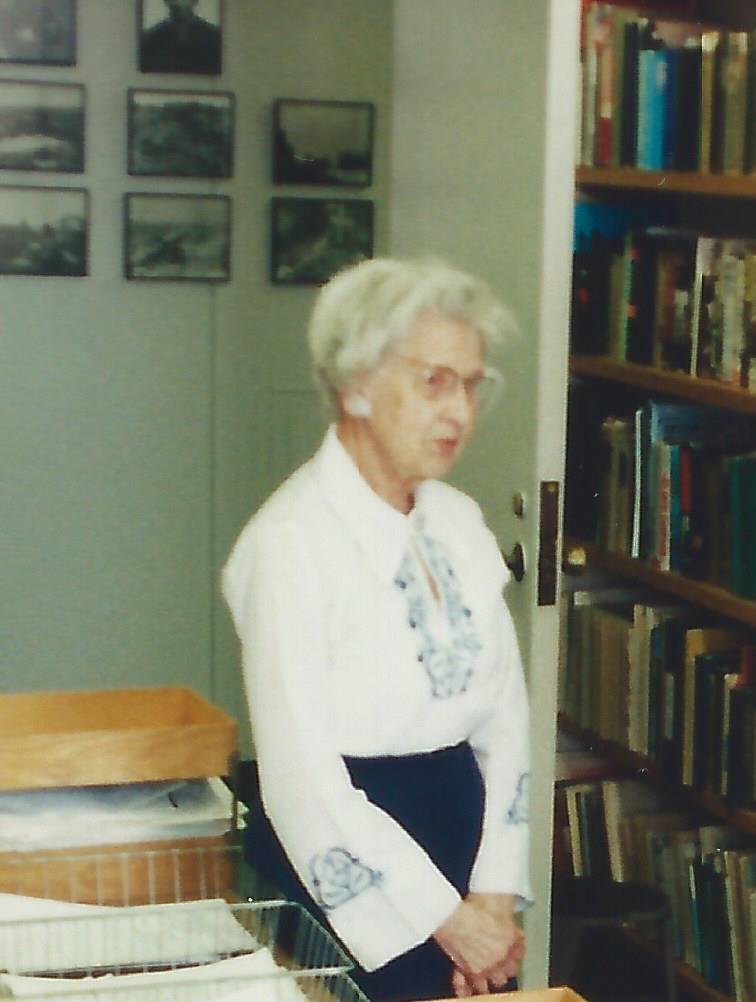
Annette May Baker Fox (1912 – December 26, 2011) was an American international relations scholar, who spent much of her career at Columbia University's Institute of War and Peace Studies. She was a pioneer in the academic study of small powers and middle powers and the books and articles she wrote on that subject are highly regarded in the field. She was director of the institute's Canadian Studies Program from 1977 to 1984.
Annette May Baker was born and raised in Buffalo, New York. She attended the Buffalo Seminary, an all-girls preparatory school.
In 1930 she entered Wellesley College, but after two years was looking for a place with a greater research impact, and transferred to the University of Chicago, where political science was undergoing a transformation to a modern social science. She earned a B.A. there in 1934. She continued on to graduate school there, studying with leading political scientists such as Harold Lasswell and Charles Merriam. She was awarded a Ph.D. from the University of Chicago in 1941.
Meanwhile, she had met William T. R. Fox during her first year at Chicago, who was also a Ph.D. student there. They married in 1935. The couple raised two children together, both born in the 1940s.
In a two-career couple, she was what later would become known as the trailing spouse. While both were still working on their dissertations, he was an instructor at Temple University from 1936 to 1941, while she did graduate school work at Bryn Mawr College during 1936–37, then was a research assistant at the University of Pennsylvania during 1937–38 and taught at the Wharton School of the University of Pennsylvania. At Bryn Mawr, she was appointed a reader in politics during 1940–41. He taught at Princeton University from 1941 to 1943 and during 1942 she worked as a research assistant in the State and Local Government Section of the Woodrow Wilson School of Public and International Affairs at Princeton. He went to Yale University in 1943, where he became associate director of the Yale Institute of International Studies; she joined the Yale institute as a research assistant the same year. Under the influence of the institute's director Frederick S. Dunn, she switched her area of study from public administration to international relations. There she published her first book, Freedom and Welfare in the Caribbean: A Colonial Dilemma, in 1949. It examined the post-World War II move to independence and modernization by ex-colonial states and the resulting political and economic problems and conflicts.
In 1950, her husband left Yale to go to Columbia University. In 1951, she became a part-time research associate at Princeton's new Center of International Studies, which was founded by a number of scholars who had left the Yale Institute. She remained there until 1957. She then became a lecturer in international relations at Hunter College, teaching there from 1958 to 1961. She also taught at Sarah Lawrence College, serving as a visiting political scientist there in 1962.
In 1963, she joined Columbia University's Institute of War and Peace Studies as a research associate. Her husband was the founding director of the institute, which had been created in 1951. During her time there, she also lectured at Columbia's Barnard College during the years 1966–79. She became a senior lecturer at Columbia University as well, where she taught courses such as "Foreign relations of Canada and other middle powers". But Fox was known most for her research and writing.
In 1959, she published her book The Power of Small States: Diplomacy in World War II, which examined the role that small powers play in international relations by looking at how several small European countries conducted diplomacy during the war. It was a departure from the usual focus in the field on the interactions that take place between great powers. Fox looked in detail at Turkey, Spain, Norway, Sweden, and Finland, and analyzed and grouped them by the kind of security problems they faced and by the fate of their foreign policies. She developed theories as to why some such states had done better than others, such as: that geographical distance from the straight line between belligerents is helpful; and somewhat counter-intuitively, that having two great powers interested in a small state is better for it than having just one being interested. The book has been termed a "pioneering" study by several subsequent scholars as well as a "classic". In related published work, she examined the Cold War prospects of small states and the role that the United Nations could play with respect to them.
Hub AI
Annette Baker Fox AI simulator
(@Annette Baker Fox_simulator)
Annette Baker Fox
Annette May Baker Fox (1912 – December 26, 2011) was an American international relations scholar, who spent much of her career at Columbia University's Institute of War and Peace Studies. She was a pioneer in the academic study of small powers and middle powers and the books and articles she wrote on that subject are highly regarded in the field. She was director of the institute's Canadian Studies Program from 1977 to 1984.
Annette May Baker was born and raised in Buffalo, New York. She attended the Buffalo Seminary, an all-girls preparatory school.
In 1930 she entered Wellesley College, but after two years was looking for a place with a greater research impact, and transferred to the University of Chicago, where political science was undergoing a transformation to a modern social science. She earned a B.A. there in 1934. She continued on to graduate school there, studying with leading political scientists such as Harold Lasswell and Charles Merriam. She was awarded a Ph.D. from the University of Chicago in 1941.
Meanwhile, she had met William T. R. Fox during her first year at Chicago, who was also a Ph.D. student there. They married in 1935. The couple raised two children together, both born in the 1940s.
In a two-career couple, she was what later would become known as the trailing spouse. While both were still working on their dissertations, he was an instructor at Temple University from 1936 to 1941, while she did graduate school work at Bryn Mawr College during 1936–37, then was a research assistant at the University of Pennsylvania during 1937–38 and taught at the Wharton School of the University of Pennsylvania. At Bryn Mawr, she was appointed a reader in politics during 1940–41. He taught at Princeton University from 1941 to 1943 and during 1942 she worked as a research assistant in the State and Local Government Section of the Woodrow Wilson School of Public and International Affairs at Princeton. He went to Yale University in 1943, where he became associate director of the Yale Institute of International Studies; she joined the Yale institute as a research assistant the same year. Under the influence of the institute's director Frederick S. Dunn, she switched her area of study from public administration to international relations. There she published her first book, Freedom and Welfare in the Caribbean: A Colonial Dilemma, in 1949. It examined the post-World War II move to independence and modernization by ex-colonial states and the resulting political and economic problems and conflicts.
In 1950, her husband left Yale to go to Columbia University. In 1951, she became a part-time research associate at Princeton's new Center of International Studies, which was founded by a number of scholars who had left the Yale Institute. She remained there until 1957. She then became a lecturer in international relations at Hunter College, teaching there from 1958 to 1961. She also taught at Sarah Lawrence College, serving as a visiting political scientist there in 1962.
In 1963, she joined Columbia University's Institute of War and Peace Studies as a research associate. Her husband was the founding director of the institute, which had been created in 1951. During her time there, she also lectured at Columbia's Barnard College during the years 1966–79. She became a senior lecturer at Columbia University as well, where she taught courses such as "Foreign relations of Canada and other middle powers". But Fox was known most for her research and writing.
In 1959, she published her book The Power of Small States: Diplomacy in World War II, which examined the role that small powers play in international relations by looking at how several small European countries conducted diplomacy during the war. It was a departure from the usual focus in the field on the interactions that take place between great powers. Fox looked in detail at Turkey, Spain, Norway, Sweden, and Finland, and analyzed and grouped them by the kind of security problems they faced and by the fate of their foreign policies. She developed theories as to why some such states had done better than others, such as: that geographical distance from the straight line between belligerents is helpful; and somewhat counter-intuitively, that having two great powers interested in a small state is better for it than having just one being interested. The book has been termed a "pioneering" study by several subsequent scholars as well as a "classic". In related published work, she examined the Cold War prospects of small states and the role that the United Nations could play with respect to them.
Recent media