
Recent from talks
Auschwitz-Birkenau State Museum
Knowledge base stats:
Talk channels stats:
Members stats:
Auschwitz-Birkenau State Museum
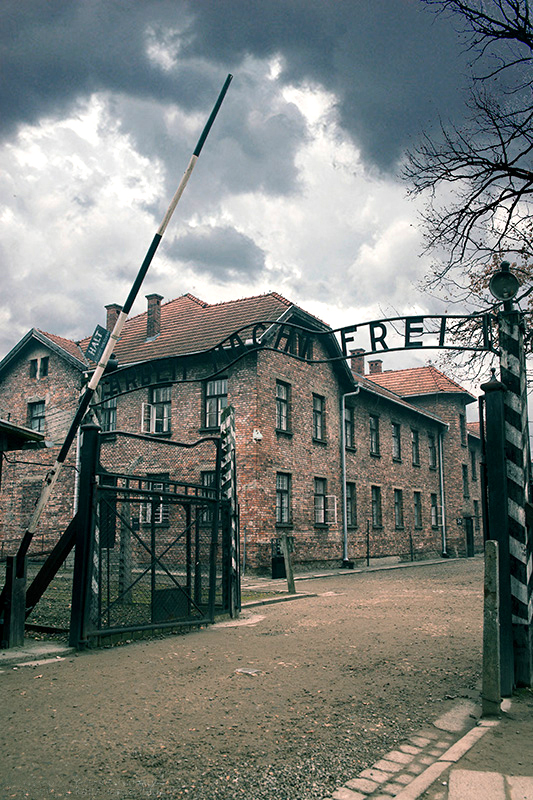
The Auschwitz-Birkenau State Museum (Polish: Państwowe Muzeum Auschwitz-Birkenau) is a museum on the site of the Nazi German Auschwitz concentration camp in Oświęcim, Poland.
The site includes the main concentration camp at Auschwitz I and the remains of the concentration and extermination camp at Auschwitz II-Birkenau. Both were developed and run by Nazi Germany during its occupation of Poland in 1939–1945. The Polish government has preserved the site as a research centre and in memory of the 1.1 million people who died there, including 960,000 Jews, during World War II and the Holocaust. It became a World Heritage Site in 1979. Piotr Cywiński is the museum's director.
The museum was created in April 1946 by Tadeusz Wąsowicz and other former Auschwitz prisoners, acting under the direction of Poland's Ministry of Culture and Art. It was formally founded on July 2, 1947 by an act of the Polish parliament. The site consists of 20 hectares (49 acres) in Auschwitz I and 171 hectares (420 acres) in Auschwitz II, which lies about three kilometres from the main camp. Over 25 million people have visited the museum. From 1955 to 1990, the museum was directed by one of its founders and former inmates, Kazimierz Smoleń.
In 2019, 2,320,000 people visited the site, including visitors from Poland (at least 396,000), United Kingdom (200,000), United States (120,000), Italy (104,000), Germany (73,000), Spain (70,000), France (67,000), Israel (59,000), Ireland (42,000), and Sweden (40,000).
The first exhibition in the barracks opened in 1947. In Stalinist Poland, on the seventh anniversary of the first deportation of Polish captives to Auschwitz, the exhibition was revised with the assistance of former inmates. The exhibition was influenced by the Cold War and next to pictures of Jewish ghettos, photos of slums in the US were presented. After Stalin's death, a new exhibition was planned in 1955. In 1959, every nation that had victims in Auschwitz received the right to present its own exhibition. However, victims like homosexuals, Jehovah's Witnesses, Sinti and Roma, and Yeniche people did not receive these rights. The state of Israel was also refused the allowance for its own exhibition as the murdered Jews in Auschwitz were not citizens of Israel. In April 1968, the Jewish exhibition, designed by Andrzej Szczypiorski, was opened. In 1979, Pope John Paul II held a mass in Birkenau and called the camp a "Golgotha of our times".
In 1962, a prevention zone around the museum in Birkenau (and in 1977, one around the museum in Auschwitz) was established to maintain the historical condition of the camp. These zones were confirmed by the Polish parliament in 1999. In 1967, the first big memorial monument was inaugurated and in the 1990s the first information boards were set up.
Since 1960, the so-called "national exhibitions" have been located in Auschwitz I. Most of them were renewed from time to time; for example, those of Belgium, France, Hungary, Netherlands, Slovakia, Czech Republic, and the former Soviet Union. The German exhibition, which was made by the former GDR, has not been renewed.
The first national exhibition of the Soviet Union was opened in 1961 and renewed in 1977 and 1985. In 2003, the Russian organizing committee suggested presenting a completely new exhibition. The Soviet part of the museum was closed, but the reopening was delayed as there were differences in the questions of the territorial situation of the Soviet Union between 1939 and 1941. The question of the territories annexed by the USSR during the war, i.e. the Baltic countries, eastern Poland, and Moldova could not be solved. Yugoslav pavilion and exhibition, which memorialized Auschwitz victims primarily through their antifascist struggle, was opened in 1963. In 2002, Croatia, as one of Yugoslav successor states, notified the Auschwitz Memorial Museum that it wanted the Yugoslav exhibition dismantled and demanded permission to establish its own national exhibition. The museum rejected the proposal and notified all Yugoslav successor states that only a renovated joint exhibit would be appropriate. Since they failed to create a joint exhibition, the Yugoslav exhibition was closed down in 2009 and its contents were sent the Museum of Yugoslavia in Belgrade, while Block 17, which hosted the exhibition, remains empty. In late January 2024 it was announced that with the assistance of UNESCO six successor states of SFR Yugoslavia — Bosnia and Herzegovina, Croatia, Montenegro, North Macedonia, Serbia and Slovenia — have reached an agreement to reopen a joint exhibition about the Holocaust in Yugoslavia.
Hub AI
Auschwitz-Birkenau State Museum AI simulator
(@Auschwitz-Birkenau State Museum_simulator)
Auschwitz-Birkenau State Museum
The Auschwitz-Birkenau State Museum (Polish: Państwowe Muzeum Auschwitz-Birkenau) is a museum on the site of the Nazi German Auschwitz concentration camp in Oświęcim, Poland.
The site includes the main concentration camp at Auschwitz I and the remains of the concentration and extermination camp at Auschwitz II-Birkenau. Both were developed and run by Nazi Germany during its occupation of Poland in 1939–1945. The Polish government has preserved the site as a research centre and in memory of the 1.1 million people who died there, including 960,000 Jews, during World War II and the Holocaust. It became a World Heritage Site in 1979. Piotr Cywiński is the museum's director.
The museum was created in April 1946 by Tadeusz Wąsowicz and other former Auschwitz prisoners, acting under the direction of Poland's Ministry of Culture and Art. It was formally founded on July 2, 1947 by an act of the Polish parliament. The site consists of 20 hectares (49 acres) in Auschwitz I and 171 hectares (420 acres) in Auschwitz II, which lies about three kilometres from the main camp. Over 25 million people have visited the museum. From 1955 to 1990, the museum was directed by one of its founders and former inmates, Kazimierz Smoleń.
In 2019, 2,320,000 people visited the site, including visitors from Poland (at least 396,000), United Kingdom (200,000), United States (120,000), Italy (104,000), Germany (73,000), Spain (70,000), France (67,000), Israel (59,000), Ireland (42,000), and Sweden (40,000).
The first exhibition in the barracks opened in 1947. In Stalinist Poland, on the seventh anniversary of the first deportation of Polish captives to Auschwitz, the exhibition was revised with the assistance of former inmates. The exhibition was influenced by the Cold War and next to pictures of Jewish ghettos, photos of slums in the US were presented. After Stalin's death, a new exhibition was planned in 1955. In 1959, every nation that had victims in Auschwitz received the right to present its own exhibition. However, victims like homosexuals, Jehovah's Witnesses, Sinti and Roma, and Yeniche people did not receive these rights. The state of Israel was also refused the allowance for its own exhibition as the murdered Jews in Auschwitz were not citizens of Israel. In April 1968, the Jewish exhibition, designed by Andrzej Szczypiorski, was opened. In 1979, Pope John Paul II held a mass in Birkenau and called the camp a "Golgotha of our times".
In 1962, a prevention zone around the museum in Birkenau (and in 1977, one around the museum in Auschwitz) was established to maintain the historical condition of the camp. These zones were confirmed by the Polish parliament in 1999. In 1967, the first big memorial monument was inaugurated and in the 1990s the first information boards were set up.
Since 1960, the so-called "national exhibitions" have been located in Auschwitz I. Most of them were renewed from time to time; for example, those of Belgium, France, Hungary, Netherlands, Slovakia, Czech Republic, and the former Soviet Union. The German exhibition, which was made by the former GDR, has not been renewed.
The first national exhibition of the Soviet Union was opened in 1961 and renewed in 1977 and 1985. In 2003, the Russian organizing committee suggested presenting a completely new exhibition. The Soviet part of the museum was closed, but the reopening was delayed as there were differences in the questions of the territorial situation of the Soviet Union between 1939 and 1941. The question of the territories annexed by the USSR during the war, i.e. the Baltic countries, eastern Poland, and Moldova could not be solved. Yugoslav pavilion and exhibition, which memorialized Auschwitz victims primarily through their antifascist struggle, was opened in 1963. In 2002, Croatia, as one of Yugoslav successor states, notified the Auschwitz Memorial Museum that it wanted the Yugoslav exhibition dismantled and demanded permission to establish its own national exhibition. The museum rejected the proposal and notified all Yugoslav successor states that only a renovated joint exhibit would be appropriate. Since they failed to create a joint exhibition, the Yugoslav exhibition was closed down in 2009 and its contents were sent the Museum of Yugoslavia in Belgrade, while Block 17, which hosted the exhibition, remains empty. In late January 2024 it was announced that with the assistance of UNESCO six successor states of SFR Yugoslavia — Bosnia and Herzegovina, Croatia, Montenegro, North Macedonia, Serbia and Slovenia — have reached an agreement to reopen a joint exhibition about the Holocaust in Yugoslavia.
Recent media