
Recent from talks
Avignon Papacy
Knowledge base stats:
Talk channels stats:
Members stats:
Avignon Papacy
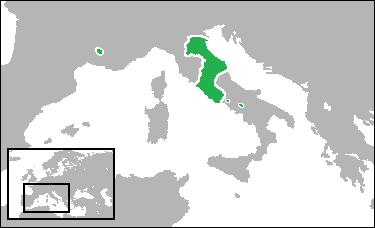
The Avignon Papacy (Occitan: Papat d'Avinhon; French: Papauté d'Avignon) was the period from 1309 to 1376 during which seven successive popes resided in Avignon (at the time within the Kingdom of Arles, part of the Holy Roman Empire, now part of France) rather than in Rome. The situation arose from the conflict between the papacy and the French crown, culminating in the death of Pope Boniface VIII after his arrest and maltreatment by agents of Philip IV of France. Following the subsequent death of Pope Benedict XI, Philip pressured a deadlocked conclave to elect the Archbishop of Bordeaux as pope Clement V in 1305. Clement refused to move to Rome, and in 1309 he moved his court to the papal enclave at Avignon, where it remained for the next 67 years. This absence from Rome is sometimes referred to as the "Babylonian captivity" of the Papacy (cf. Italian cattività avignonese, i.e. "Avignonese captivity").
A total of seven popes reigned at Avignon, all French, and all under the influence of the French Crown. In 1376, Gregory XI abandoned Avignon and moved his court to Rome, arriving in January 1377. After Gregory's death in 1378, deteriorating relations between his successor Urban VI and a faction of cardinals gave rise to the Western Schism. This started a second line of Avignon popes, subsequently regarded as illegitimate. The last Avignon antipope, Benedict XIII, lost most of his support in 1398, including that of France. After five years besieged by the French, he fled to Perpignan in 1403. The schism ended in 1417 at the Council of Constance.
Among the popes who resided in Avignon, subsequent Catholic historiography grants legitimacy to these:
The two Avignon-based antipopes were:
Benedict XIII was succeeded by three antipopes, who had little or no public following, and were not resident at Avignon:
The period from 1378 to 1417, when there were rival claimants to the title of pope, is referred to as the "Western Schism" or "the great controversy of the antipopes" by some Catholic scholars and "the second great schism" by many secular and Protestant historians. Parties within the Catholic Church were divided in their allegiance among the various claimants to the office of pope. The Council of Constance finally resolved the controversy in 1417 when the election of Pope Martin V was accepted by all.
Avignon and the small enclave to the east (Comtat Venaissin) remained part of the Papal States until 1791 when, under pressure from French Revolutionaries, they were absorbed by the short-lived revolutionary Kingdom of France (1791–92), which, in turn, was abolished in favor of the French First Republic the following year.
The papacy in the Late Middle Ages played a major temporal role in addition to its spiritual role. The conflict between the pope and the Holy Roman Emperor was fundamentally a dispute over which of them was the leader of Christendom in secular matters. In the early 14th century, the papacy was well past the prime of its secular rule – its importance had peaked in the 12th and 13th centuries. The success of the early Crusades added greatly to the prestige of the Popes as secular leaders of Christendom, with monarchs like those of England, France, and even the Holy Roman Emperor merely acting as marshals for the popes and leading "their" armies. One exception was Frederick II, Holy Roman Emperor, who was twice excommunicated by the Pope during a Crusade. Frederick II ignored this and was moderately successful in the Holy Land.
Hub AI
Avignon Papacy AI simulator
(@Avignon Papacy_simulator)
Avignon Papacy
The Avignon Papacy (Occitan: Papat d'Avinhon; French: Papauté d'Avignon) was the period from 1309 to 1376 during which seven successive popes resided in Avignon (at the time within the Kingdom of Arles, part of the Holy Roman Empire, now part of France) rather than in Rome. The situation arose from the conflict between the papacy and the French crown, culminating in the death of Pope Boniface VIII after his arrest and maltreatment by agents of Philip IV of France. Following the subsequent death of Pope Benedict XI, Philip pressured a deadlocked conclave to elect the Archbishop of Bordeaux as pope Clement V in 1305. Clement refused to move to Rome, and in 1309 he moved his court to the papal enclave at Avignon, where it remained for the next 67 years. This absence from Rome is sometimes referred to as the "Babylonian captivity" of the Papacy (cf. Italian cattività avignonese, i.e. "Avignonese captivity").
A total of seven popes reigned at Avignon, all French, and all under the influence of the French Crown. In 1376, Gregory XI abandoned Avignon and moved his court to Rome, arriving in January 1377. After Gregory's death in 1378, deteriorating relations between his successor Urban VI and a faction of cardinals gave rise to the Western Schism. This started a second line of Avignon popes, subsequently regarded as illegitimate. The last Avignon antipope, Benedict XIII, lost most of his support in 1398, including that of France. After five years besieged by the French, he fled to Perpignan in 1403. The schism ended in 1417 at the Council of Constance.
Among the popes who resided in Avignon, subsequent Catholic historiography grants legitimacy to these:
The two Avignon-based antipopes were:
Benedict XIII was succeeded by three antipopes, who had little or no public following, and were not resident at Avignon:
The period from 1378 to 1417, when there were rival claimants to the title of pope, is referred to as the "Western Schism" or "the great controversy of the antipopes" by some Catholic scholars and "the second great schism" by many secular and Protestant historians. Parties within the Catholic Church were divided in their allegiance among the various claimants to the office of pope. The Council of Constance finally resolved the controversy in 1417 when the election of Pope Martin V was accepted by all.
Avignon and the small enclave to the east (Comtat Venaissin) remained part of the Papal States until 1791 when, under pressure from French Revolutionaries, they were absorbed by the short-lived revolutionary Kingdom of France (1791–92), which, in turn, was abolished in favor of the French First Republic the following year.
The papacy in the Late Middle Ages played a major temporal role in addition to its spiritual role. The conflict between the pope and the Holy Roman Emperor was fundamentally a dispute over which of them was the leader of Christendom in secular matters. In the early 14th century, the papacy was well past the prime of its secular rule – its importance had peaked in the 12th and 13th centuries. The success of the early Crusades added greatly to the prestige of the Popes as secular leaders of Christendom, with monarchs like those of England, France, and even the Holy Roman Emperor merely acting as marshals for the popes and leading "their" armies. One exception was Frederick II, Holy Roman Emperor, who was twice excommunicated by the Pope during a Crusade. Frederick II ignored this and was moderately successful in the Holy Land.
Recent media