
Recent from talks
Battle of Achelous (917)
Knowledge base stats:
Talk channels stats:
Members stats:
Battle of Achelous (917)
The Battle of Achelous or Acheloos (Bulgarian: Битката при Ахелой, Greek: Μάχη του Αχελώου), also known as the Battle of Anchialus, took place on 20 August 917, on the Achelous river near the Bulgarian Black Sea coast, close to the fortress Tuthom (modern Pomorie) between Bulgarian and Byzantine forces. The Bulgarians obtained a decisive victory which not only secured the previous successes of Simeon I, but made him de facto ruler of the whole Balkan Peninsula, excluding the well-protected Byzantine capital Constantinople and the Peloponnese. The battle, which was one of the biggest and bloodiest battles of the European Middle Ages, was one of the worst disasters ever to befall a Byzantine army, and conversely one of the greatest military successes of Bulgaria. Among the most significant consequences was the official recognition of the imperial title of the Bulgarian monarchs, and the consequent affirmation of Bulgarian equality vis-à-vis Byzantium.
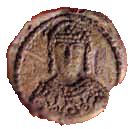
After the Bulgarian victory in the war of 894–896, the Byzantines were forced to pay tribute to Tsar Simeon I of Bulgaria. In 912 when the Byzantine emperor Leo VI died, his brother Alexander refused to pay tribute to the Bulgarians. Simeon saw an opportunity to wage a new war and fulfil his ambitions to conquer Constantinople. Alexander died in the same year and the new government under the Patriarch Nicholas Mystikos made desperate attempts to avoid the war, promising that the infant Emperor Constantine VII would marry one of Simeon's daughters. At some point, the patriarch and Simeon even met outside the walls of Constantinople, performing a coronation ceremony. Thereafter, Simeon began using the title "Tsar of the Bulgarians", and the Greek title basileus in his seals.
After a plot in the Byzantine court in 914, however, the new regent Zoe, Constantine's mother, rejected the marriage. In answer the Bulgarians raided eastern Thrace. Adrianople opened its gates to Simeon in September 914, and its population recognised Simeon as their ruler, while the Byzantine army was occupied in the east. In the next year the Bulgarian armies attacked the areas of Dyrrhachium and Thessalonica.
Both sides carefully prepared for a decisive end of the conflict. Empress Zoe wanted to swiftly make a peace settlement with the Arabs and to engage the whole army of the East in a war with Simeon and destroy him. The Byzantines tried to find allies and sent emissaries to the Magyars, Pechenegs and Serbs, but Simeon was familiar with the methods of Byzantine diplomacy and from the very beginning took successful actions to subvert a possible alliance between his enemies. Thus the Byzantines were forced to fight alone.[citation needed]
By 917, after a series of successful campaigns, the Byzantine Empire had stabilized its eastern borders, and the generals John Bogas and Leo Phocas were able to gather additional troops from Asia Minor to reinforce the imperial tagmata and the European thematic troops, gathering a force of some 60,000 men. This was a very large army by contemporary standards, and its goal was the elimination of the Bulgarian threat from the north. The Byzantine commanders were convinced that their strategy would be successful.[citation needed] Morale was raised as the soldiers vowed by the miraculous Cross to die for one another.[citation needed] The spirit of the army was further raised as the troops were paid in advance and a fleet commanded by Romanus Lecapenus set off to the north at the mouth of the Danube. The Byzantines had tried to pay some Pecheneg tribes to attack, but Romanus would not agree to transport them across the Danube, and instead, they attacked Bulgarian territory on their own.
The size of the Bulgarian army under Simeon I of Bulgaria is unknown. Although they ruined the Byzantine negotiations, the Bulgarians were still afraid that the old allies of the Byzantines, the Pechenegs and the Hungarians, would attack them from the north, so two small armies were sent to protect the northern borders of the vast Bulgarian Empire that spread from Bosnia in the west to the Dnieper River in the east.
Miracula Sancti Georgii, written in the 11th century and in this particular case of dubious veracity, is the only source which points that the Bulgarian army in the battle of Achelous was allied with Hungarian and Pecheneg troops, which helped to win the victory against the Byzantine army. Based on this, several historians accepted the involvement of Hungarian and Pechenegs troops, including Ivan Duichev, Gyula Kristó and Ferenc Makk. Kristó even interpreted the Hungarians' participation as the "first, unmistakable sign of the decline of the Hungarian nomadic state is that from 917 onwards in the same year in two directions [i.e. west and east], the Hungarians went on raids, that is, the central control [...] began to disappear". However, contemporary sources – including a letter from Nicholas Mystikos – contradicts the chronicle's narration. Until the 930s, the Hungarians in fact were regarded as strong allies of the Byzantine Empire. In addition, Bulgarian forces under Marmais were deployed near the western borders with the Serb principalities to prevent possible unrest.[citation needed]
The Byzantine army marched northwards and set its camp in the vicinity of the strong fortress of Anchialus. Leo Phocas intended to invade Moesia and meet the Pechenegs and Lecapenus's troops in Dobrudzha. Simeon swiftly concentrated his army on the heights around the fortress.[citation needed]
Hub AI
Battle of Achelous (917) AI simulator
(@Battle of Achelous (917)_simulator)
Battle of Achelous (917)
The Battle of Achelous or Acheloos (Bulgarian: Битката при Ахелой, Greek: Μάχη του Αχελώου), also known as the Battle of Anchialus, took place on 20 August 917, on the Achelous river near the Bulgarian Black Sea coast, close to the fortress Tuthom (modern Pomorie) between Bulgarian and Byzantine forces. The Bulgarians obtained a decisive victory which not only secured the previous successes of Simeon I, but made him de facto ruler of the whole Balkan Peninsula, excluding the well-protected Byzantine capital Constantinople and the Peloponnese. The battle, which was one of the biggest and bloodiest battles of the European Middle Ages, was one of the worst disasters ever to befall a Byzantine army, and conversely one of the greatest military successes of Bulgaria. Among the most significant consequences was the official recognition of the imperial title of the Bulgarian monarchs, and the consequent affirmation of Bulgarian equality vis-à-vis Byzantium.
After the Bulgarian victory in the war of 894–896, the Byzantines were forced to pay tribute to Tsar Simeon I of Bulgaria. In 912 when the Byzantine emperor Leo VI died, his brother Alexander refused to pay tribute to the Bulgarians. Simeon saw an opportunity to wage a new war and fulfil his ambitions to conquer Constantinople. Alexander died in the same year and the new government under the Patriarch Nicholas Mystikos made desperate attempts to avoid the war, promising that the infant Emperor Constantine VII would marry one of Simeon's daughters. At some point, the patriarch and Simeon even met outside the walls of Constantinople, performing a coronation ceremony. Thereafter, Simeon began using the title "Tsar of the Bulgarians", and the Greek title basileus in his seals.
After a plot in the Byzantine court in 914, however, the new regent Zoe, Constantine's mother, rejected the marriage. In answer the Bulgarians raided eastern Thrace. Adrianople opened its gates to Simeon in September 914, and its population recognised Simeon as their ruler, while the Byzantine army was occupied in the east. In the next year the Bulgarian armies attacked the areas of Dyrrhachium and Thessalonica.
Both sides carefully prepared for a decisive end of the conflict. Empress Zoe wanted to swiftly make a peace settlement with the Arabs and to engage the whole army of the East in a war with Simeon and destroy him. The Byzantines tried to find allies and sent emissaries to the Magyars, Pechenegs and Serbs, but Simeon was familiar with the methods of Byzantine diplomacy and from the very beginning took successful actions to subvert a possible alliance between his enemies. Thus the Byzantines were forced to fight alone.[citation needed]
By 917, after a series of successful campaigns, the Byzantine Empire had stabilized its eastern borders, and the generals John Bogas and Leo Phocas were able to gather additional troops from Asia Minor to reinforce the imperial tagmata and the European thematic troops, gathering a force of some 60,000 men. This was a very large army by contemporary standards, and its goal was the elimination of the Bulgarian threat from the north. The Byzantine commanders were convinced that their strategy would be successful.[citation needed] Morale was raised as the soldiers vowed by the miraculous Cross to die for one another.[citation needed] The spirit of the army was further raised as the troops were paid in advance and a fleet commanded by Romanus Lecapenus set off to the north at the mouth of the Danube. The Byzantines had tried to pay some Pecheneg tribes to attack, but Romanus would not agree to transport them across the Danube, and instead, they attacked Bulgarian territory on their own.
The size of the Bulgarian army under Simeon I of Bulgaria is unknown. Although they ruined the Byzantine negotiations, the Bulgarians were still afraid that the old allies of the Byzantines, the Pechenegs and the Hungarians, would attack them from the north, so two small armies were sent to protect the northern borders of the vast Bulgarian Empire that spread from Bosnia in the west to the Dnieper River in the east.
Miracula Sancti Georgii, written in the 11th century and in this particular case of dubious veracity, is the only source which points that the Bulgarian army in the battle of Achelous was allied with Hungarian and Pecheneg troops, which helped to win the victory against the Byzantine army. Based on this, several historians accepted the involvement of Hungarian and Pechenegs troops, including Ivan Duichev, Gyula Kristó and Ferenc Makk. Kristó even interpreted the Hungarians' participation as the "first, unmistakable sign of the decline of the Hungarian nomadic state is that from 917 onwards in the same year in two directions [i.e. west and east], the Hungarians went on raids, that is, the central control [...] began to disappear". However, contemporary sources – including a letter from Nicholas Mystikos – contradicts the chronicle's narration. Until the 930s, the Hungarians in fact were regarded as strong allies of the Byzantine Empire. In addition, Bulgarian forces under Marmais were deployed near the western borders with the Serb principalities to prevent possible unrest.[citation needed]
The Byzantine army marched northwards and set its camp in the vicinity of the strong fortress of Anchialus. Leo Phocas intended to invade Moesia and meet the Pechenegs and Lecapenus's troops in Dobrudzha. Simeon swiftly concentrated his army on the heights around the fortress.[citation needed]
Recent media