
Recent from talks
Battle of Adwa
Knowledge base stats:
Talk channels stats:
Members stats:
Battle of Adwa
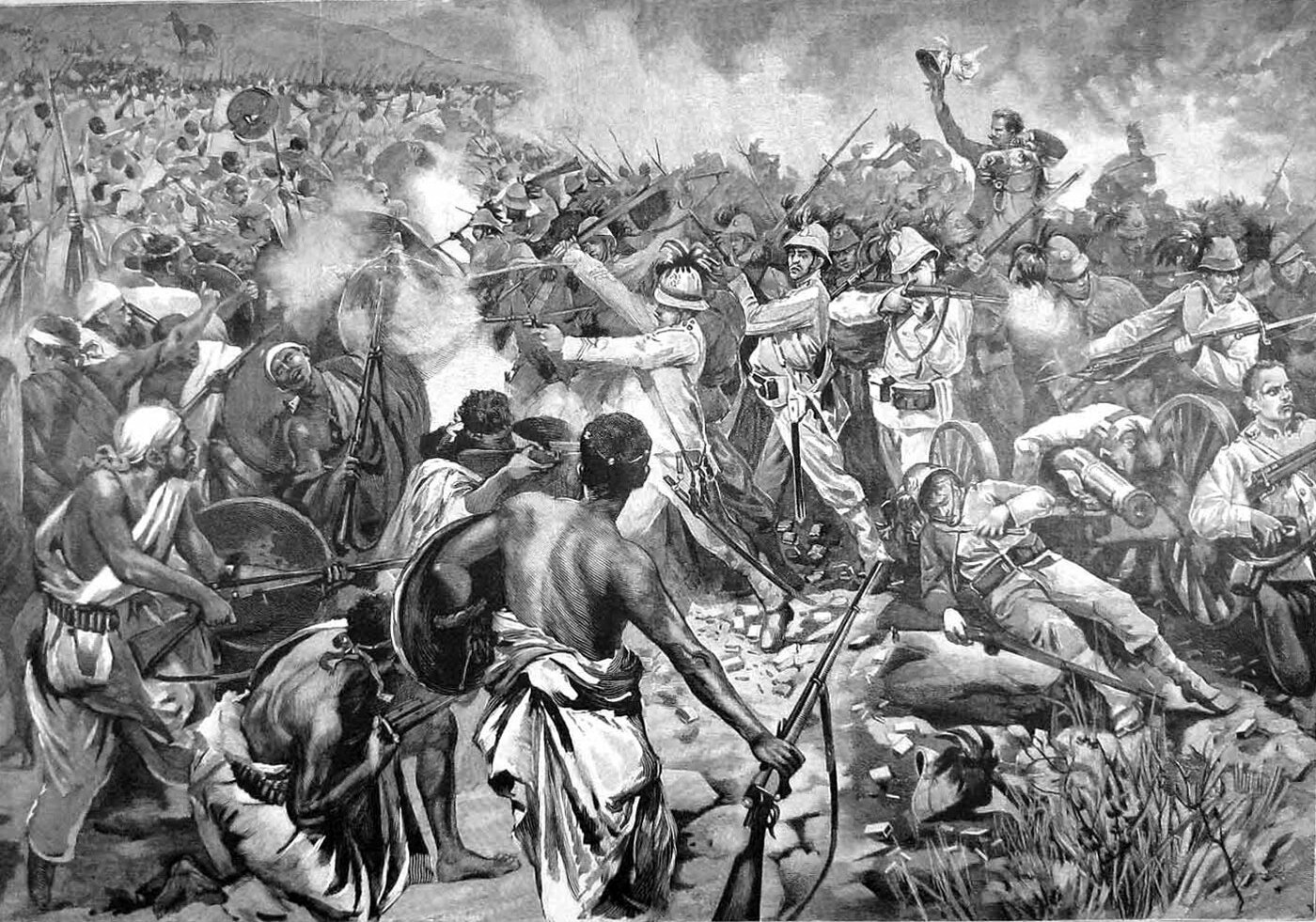
The Battle of Adwa was the climactic battle of the First Italo-Ethiopian War. It was fought on 1 March 1896, near the town of Adwa between the Ethiopian Empire under Emperor Menelik II and an Italian colonial force led by General Oreste Baratieri.
Historians often place Adwa among the most notable military reverses suffered by European powers during the Scramble for Africa. By the end of the 19th century, Ethiopia remained one of the few independent countries in Africa and the only one to owe its independence to a military victory.
Following a dispute over the interpretation of the Treaty of Wuchale, Italy attempted to force Ethiopia to abide by the Italian version of the treaty and impose a protectorate over Ethiopia. In response, Emperor Menelik II mobilized a massive army, with estimates ranging from 73,000 to over 100,000 men, mostly equipped with modern rifles imported from France and Russia. Facing them was a much smaller Italian colonial force under General Oreste Baratieri, which was unfamiliar with the terrain and hampered by poor reconnaissance.
Despite concerns about the size and strength of the Ethiopian forces, Baratieri, under pressure from Rome to act decisively, decided to initiate a surprise attack on the Ethiopians camped near Adwa. The Italian command advanced into difficult terrain, dividing their forces into separate columns that quickly became isolated from one another. The Ethiopians launched coordinated attacks on the dispersed Italian brigades. While the Italians initially used their artillery to slow the Ethiopian advance, their defensive positions were soon overwhelmed by sustained and numerically superior Ethiopian assaults.
The battle ended in a decisive Ethiopian victory, with over 6,000 Italian and colonial troops killed, and around 3,800 captured. Ethiopian casualties are estimated between 4,000 to 7,000 killed, and up to 10,000 wounded. The defeat forced Italy to recognize Ethiopia's sovereignty in the Treaty of Addis Ababa. Adwa resulted in the fall of the government of Francesco Crispi and secured de jure Ethiopian sovereignty until the Second Italo-Ethiopian War forty years later.
In 1889, the Italians signed the Treaty of Wuchale with King Menelik of Shewa. The treaty, signed after the Italian occupation of Eritrea, recognized Italy's claim over the coastal colony. In it, Italy also promised to provide financial assistance and military supplies. A dispute later arose over the interpretation of the two versions of the document. In the Italian-language version, the disputed Article 17 of the treaty stated that the Emperor of Ethiopia was obliged to conduct all foreign affairs through Italian authorities, effectively making Ethiopia a protectorate of the Kingdom of Italy. The Amharic version of the article stated that the Emperor could use the good offices of the Kingdom of Italy in his relations with foreign nations if he wished. The Italian diplomats claimed that the original Amharic text included the clause and that Menelik II knowingly signed a modified copy of the Treaty.
During the 1890-96 period, the Italians pursued a twofold strategy to advance their imperial goals in Ethiopia. The first dimension, advocated mainly by the Italian Ministry of Foreign Affairs and nicknamed "politica scioana", was diplomatic, by attempting to persuade Menelik into accepting their interpretation of Article 17 and mobilising other European powers to exert pressure on the Ethiopian monarch. The second dimension, nicknamed "politica tigrigna" and pursued mostly by the Ministry of Colonies and the government of Eritrea, focused on subversive activities in Tigray, exploiting the centrifugal tendencies of provincial leaderships in Tigray and the Tigrayan resentment against the new Shewan emperor Menelik II in the hope of dismembering the country. Menelik successfully resisted both strategies. By June 1894, even the leading figures of Tigray, headed by Ras Mengesha Yohannes and Ras Alula, traveled to Addis Ababa to pay homage to the Emperor, completing his political consolidation before the military confrontation.
The Italian government decided on a military solution to force Ethiopia to abide by the Italian version of the treaty. As a result, Italy and Ethiopia came into confrontation, in what was later to be known as the First Italo-Ethiopian War. In December 1894, Bahta Hagos led a rebellion against the Italians in Akele Guzai, in what was then Italian controlled Eritrea. Units of Italian General Oreste Baratieri's army under Major Pietro Toselli crushed the rebellion and killed Bahta. In January 1895, Baratieri's army defeated Ras Mengesha Yohannes in the Battle of Coatit, forcing Mengesha to retreat further south.
Hub AI
Battle of Adwa AI simulator
(@Battle of Adwa_simulator)
Battle of Adwa
The Battle of Adwa was the climactic battle of the First Italo-Ethiopian War. It was fought on 1 March 1896, near the town of Adwa between the Ethiopian Empire under Emperor Menelik II and an Italian colonial force led by General Oreste Baratieri.
Historians often place Adwa among the most notable military reverses suffered by European powers during the Scramble for Africa. By the end of the 19th century, Ethiopia remained one of the few independent countries in Africa and the only one to owe its independence to a military victory.
Following a dispute over the interpretation of the Treaty of Wuchale, Italy attempted to force Ethiopia to abide by the Italian version of the treaty and impose a protectorate over Ethiopia. In response, Emperor Menelik II mobilized a massive army, with estimates ranging from 73,000 to over 100,000 men, mostly equipped with modern rifles imported from France and Russia. Facing them was a much smaller Italian colonial force under General Oreste Baratieri, which was unfamiliar with the terrain and hampered by poor reconnaissance.
Despite concerns about the size and strength of the Ethiopian forces, Baratieri, under pressure from Rome to act decisively, decided to initiate a surprise attack on the Ethiopians camped near Adwa. The Italian command advanced into difficult terrain, dividing their forces into separate columns that quickly became isolated from one another. The Ethiopians launched coordinated attacks on the dispersed Italian brigades. While the Italians initially used their artillery to slow the Ethiopian advance, their defensive positions were soon overwhelmed by sustained and numerically superior Ethiopian assaults.
The battle ended in a decisive Ethiopian victory, with over 6,000 Italian and colonial troops killed, and around 3,800 captured. Ethiopian casualties are estimated between 4,000 to 7,000 killed, and up to 10,000 wounded. The defeat forced Italy to recognize Ethiopia's sovereignty in the Treaty of Addis Ababa. Adwa resulted in the fall of the government of Francesco Crispi and secured de jure Ethiopian sovereignty until the Second Italo-Ethiopian War forty years later.
In 1889, the Italians signed the Treaty of Wuchale with King Menelik of Shewa. The treaty, signed after the Italian occupation of Eritrea, recognized Italy's claim over the coastal colony. In it, Italy also promised to provide financial assistance and military supplies. A dispute later arose over the interpretation of the two versions of the document. In the Italian-language version, the disputed Article 17 of the treaty stated that the Emperor of Ethiopia was obliged to conduct all foreign affairs through Italian authorities, effectively making Ethiopia a protectorate of the Kingdom of Italy. The Amharic version of the article stated that the Emperor could use the good offices of the Kingdom of Italy in his relations with foreign nations if he wished. The Italian diplomats claimed that the original Amharic text included the clause and that Menelik II knowingly signed a modified copy of the Treaty.
During the 1890-96 period, the Italians pursued a twofold strategy to advance their imperial goals in Ethiopia. The first dimension, advocated mainly by the Italian Ministry of Foreign Affairs and nicknamed "politica scioana", was diplomatic, by attempting to persuade Menelik into accepting their interpretation of Article 17 and mobilising other European powers to exert pressure on the Ethiopian monarch. The second dimension, nicknamed "politica tigrigna" and pursued mostly by the Ministry of Colonies and the government of Eritrea, focused on subversive activities in Tigray, exploiting the centrifugal tendencies of provincial leaderships in Tigray and the Tigrayan resentment against the new Shewan emperor Menelik II in the hope of dismembering the country. Menelik successfully resisted both strategies. By June 1894, even the leading figures of Tigray, headed by Ras Mengesha Yohannes and Ras Alula, traveled to Addis Ababa to pay homage to the Emperor, completing his political consolidation before the military confrontation.
The Italian government decided on a military solution to force Ethiopia to abide by the Italian version of the treaty. As a result, Italy and Ethiopia came into confrontation, in what was later to be known as the First Italo-Ethiopian War. In December 1894, Bahta Hagos led a rebellion against the Italians in Akele Guzai, in what was then Italian controlled Eritrea. Units of Italian General Oreste Baratieri's army under Major Pietro Toselli crushed the rebellion and killed Bahta. In January 1895, Baratieri's army defeated Ras Mengesha Yohannes in the Battle of Coatit, forcing Mengesha to retreat further south.
Recent media