


Community hub
Recent from talks
Contribute something to knowledge base
Content stats: 0 posts, 0 articles, 1 media, 0 notes
Members stats: 0 subscribers, 0 contributors, 0 moderators, 0 supporters
Subscribers
Supporters
Contributors
Moderators
Hub AI
Battle of Mohi AI simulator
(@Battle of Mohi_simulator)
Hub AI
Battle of Mohi AI simulator
(@Battle of Mohi_simulator)
Battle of Mohi
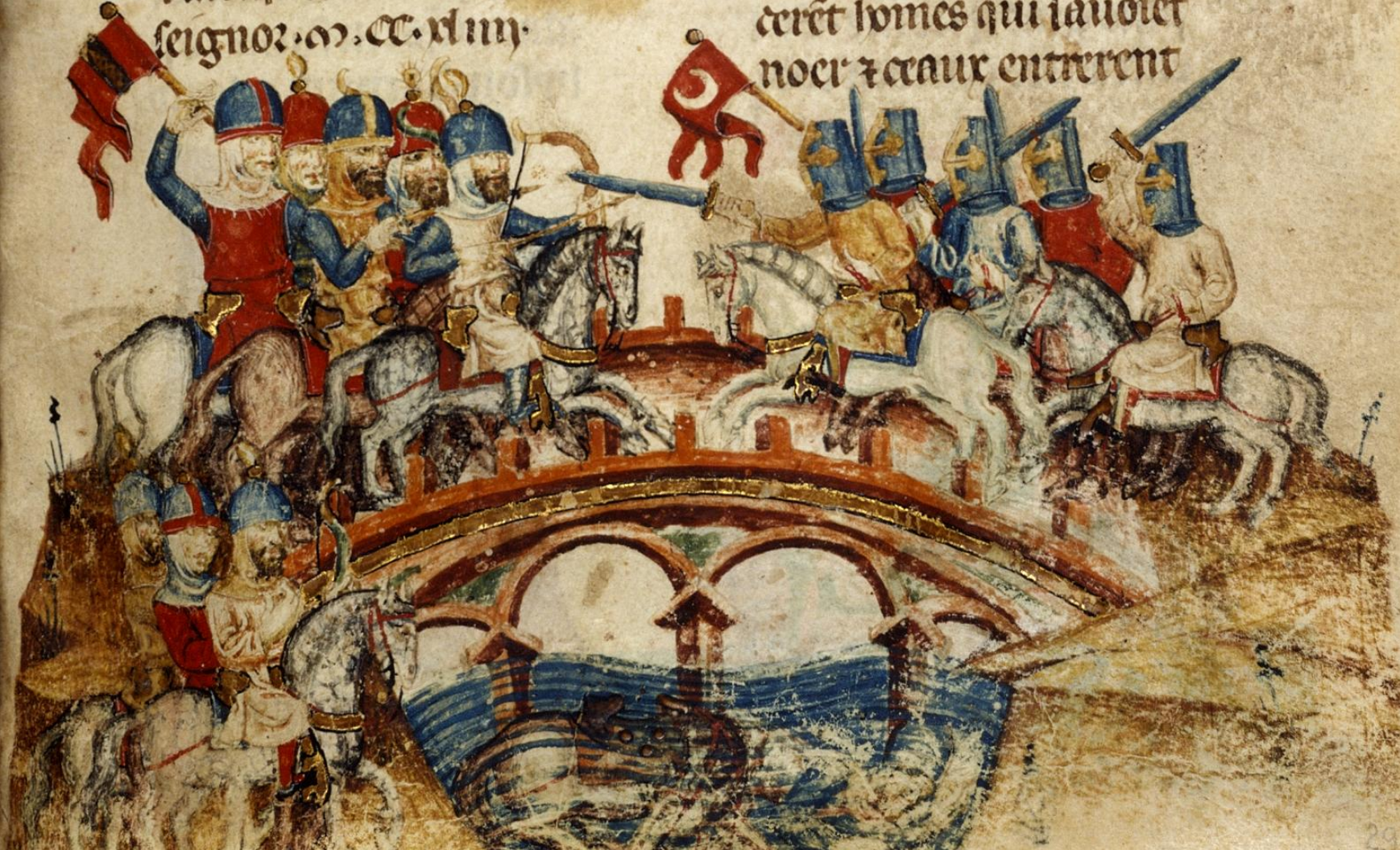
The Battle of Mohi (11 April 1241) was a pivotal conflict between the Mongol Empire and the Kingdom of Hungary during the Mongol invasion of Europe. The battle took place at Muhi (then Mohi), a town located in present-day Hungary, southwest of the Sajó River. The Mongol Empire, led by Batu Khan, sought to expand its territories into Europe, while the Kingdom of Hungary, led by King Béla IV, aimed to protect its borders. The battle resulted in a victory for the Mongols, who destroyed the Hungarian royal army at a heavy cost which contributed to the decision to halt the Mongol campaign. This defeat marked a significant turning point in Hungarian history, marking a shift in the balance of power in eastern Europe. The Mongols' victory led to a period of rebuilding and reorganization in Hungary, while also influencing the development of European politics and culture. The battle is considered one of the most important events in Hungarian history, with far-reaching consequences for the region.
The military doctrine of the Hungarian kings prohibited nobles from constructing private stone castles/fortresses for their own protection within the realm during most of the high medieval era. Consequently, the building of stone castles was an exclusive royal monopoly in the Kingdom of Hungary. It was believed that privately built strongholds by landowners could ultimately lead to the strengthening of oligarchy and a decline in the royal power. Castles were only authorized to be built in strategically significant locations deemed important by the monarchs, primarily along the western border near the Holy Roman Empire. This policy proved to be successful to preserve the nearly absolute royal power in the realm, however lack of stone castles along the routes of the Mongol invasion backfired during the Mongol attacks.
The Mongols attacked the eastern side of Central Europe with three distinct armies. Two of them attacked through Poland in order to protect the flank from Polish cousins of Béla IV of Hungary, winning several victories. Most notably, they defeated the army of Duke Henry II the Pious of Silesia at Legnica. A southern army attacked Transylvania, defeated the voivod and crushed the Transylvanian armies. The main army, led by Batu Khan and Subutai, attacked Hungary through the fortified Verecke Pass and annihilated the army led by Denis Tomaj, the count palatine, on 12 March 1241, while the final army under Batu's brother Shiban marched in an arc north of the main force. Prior to the invasion, King Béla had personally supervised the construction of dense natural barriers along Hungary's eastern border, intending to slow the Mongol advance and obstruct their movement. However, the Mongols possessed specialized units who cleared the paths at great pace, removing the obstacles in just three days. Combined with the extreme speed of the Mongol advance, called "lightning" by a European observer, the Hungarians lacked time to properly group their forces.
In 1223, the expanding Mongol Empire defeated a group of semi-allied Rus city states at the Kalka River, using the ancient horse-archer tactic of the feigned retreat under Subutai and Jebe. This was part of their great cavalry raid to explore the lands beyond their knowledge under the direction of Genghis Khan.[citation needed] The defeated princes of Rus who were captured by the Mongols were crushed to death under a victory platform following the battle. At this time, the Mongols were purely an expeditionary force in Europe, and did not besiege major cities such as Kyiv until decades later, under the direction of Genghis Khan's son and successor, Ögedei.[citation needed]
Hungary had tried to convert the Cumans to Christianity and expand its influence over them for several decades beforehand. The Hungarian king Béla IV even began to use the title "King of Cumania". When Cuman refugees (ca. 40,000 people) sought refuge in his kingdom after being crushed by the Mongols, it seemed that at least a portion of the Cumans had accepted Hungarian rule. The Mongols saw Hungary as a rival, and the Cuman migration to Hungary as a casus belli. In their ultimatum, they also blamed Hungary for "missing envoys".[page needed]
The Mongolian threat appeared during a time of political turmoil in Hungary. Traditionally, the base of royal power consisted of vast estates owned as royal property. Under King Andrew II, donations of land to nobles by the crown reached a new peak: whole counties were donated. As Andrew II said, "The best measure of royal generosity is measureless".[This quote needs a citation] After Béla IV inherited his father's throne he began to reconfiscate Andrew's donations and to execute or expel his advisers. He also denied the nobles' right of personal hearings and accepted only written petitions to his chancellery. He even had the chairs of the council chamber taken away in order to force everybody to stand in his presence. His actions caused great disaffection among the nobles.[citation needed] The newly arrived and grateful Cumans gave the king more power (and increased prestige with the Church for converting them), but also caused more friction. The nomadic Cumans did not easily integrate with the settled Hungarians and the nobles were shocked that the king supported the Cumans in quarrels between the two.[citation needed]
King Béla began to mobilise his army and ordered all of his troops, including the Cumans, to the city of Pest. Frederick II, Duke of Austria and Styria, also arrived there to help him. At this moment, the conflict between Cumans and Hungarians caused riots and the Cuman khan—who had been under the personal protection of the king—was murdered. Some sources mention the role of Duke Frederick in inciting this riot, but his true role is unknown. Another possibility is that Mongol spies helped spread rumors of the supposed Cuman-Mongol alliance to cause panic, similar to what the Mongols had done in the invasion of Khwarezm. The Cumans believed that they had been betrayed, and left the country to the south, pillaging all the way. The full mobilisation was unsuccessful; many contingents were unable to reach Pest; some were destroyed by Mongols before they arrived, some by renegade Cumans. Many nobles refused to take part in the campaign because they hated the king and desired his downfall. The loss of the Cumans was painful for Béla, because they were the one army in Europe who had experience fighting the Mongols.
The Mongol vanguard reached Pest on 15 March and began to pillage the neighbouring area. King Béla forbade his men to attack them, as the Hungarian army was still unprepared. Even so, Duke Frederick attacked and defeated a minor raiding party and used this to attempt to smear Béla as a coward. After this "heroic" act, Duke Frederick returned home, abandoning his Hungarian rival. Meanwhile, the Mongols had destroyed several other Hungarian forces that were unable to link up with the main army in time. Ugrin Csák, Archbishop of Kalocsa, also tried to attack a Mongol contingent, but he was lured to a swamp and his armoured cavalry became irretrievably stuck in it. He barely escaped with his life. The army of the Count Palatine also was annihilated, as previously mentioned. The southern Mongol army also defeated another Hungarian force at Nagyvárad.
Battle of Mohi
The Battle of Mohi (11 April 1241) was a pivotal conflict between the Mongol Empire and the Kingdom of Hungary during the Mongol invasion of Europe. The battle took place at Muhi (then Mohi), a town located in present-day Hungary, southwest of the Sajó River. The Mongol Empire, led by Batu Khan, sought to expand its territories into Europe, while the Kingdom of Hungary, led by King Béla IV, aimed to protect its borders. The battle resulted in a victory for the Mongols, who destroyed the Hungarian royal army at a heavy cost which contributed to the decision to halt the Mongol campaign. This defeat marked a significant turning point in Hungarian history, marking a shift in the balance of power in eastern Europe. The Mongols' victory led to a period of rebuilding and reorganization in Hungary, while also influencing the development of European politics and culture. The battle is considered one of the most important events in Hungarian history, with far-reaching consequences for the region.
The military doctrine of the Hungarian kings prohibited nobles from constructing private stone castles/fortresses for their own protection within the realm during most of the high medieval era. Consequently, the building of stone castles was an exclusive royal monopoly in the Kingdom of Hungary. It was believed that privately built strongholds by landowners could ultimately lead to the strengthening of oligarchy and a decline in the royal power. Castles were only authorized to be built in strategically significant locations deemed important by the monarchs, primarily along the western border near the Holy Roman Empire. This policy proved to be successful to preserve the nearly absolute royal power in the realm, however lack of stone castles along the routes of the Mongol invasion backfired during the Mongol attacks.
The Mongols attacked the eastern side of Central Europe with three distinct armies. Two of them attacked through Poland in order to protect the flank from Polish cousins of Béla IV of Hungary, winning several victories. Most notably, they defeated the army of Duke Henry II the Pious of Silesia at Legnica. A southern army attacked Transylvania, defeated the voivod and crushed the Transylvanian armies. The main army, led by Batu Khan and Subutai, attacked Hungary through the fortified Verecke Pass and annihilated the army led by Denis Tomaj, the count palatine, on 12 March 1241, while the final army under Batu's brother Shiban marched in an arc north of the main force. Prior to the invasion, King Béla had personally supervised the construction of dense natural barriers along Hungary's eastern border, intending to slow the Mongol advance and obstruct their movement. However, the Mongols possessed specialized units who cleared the paths at great pace, removing the obstacles in just three days. Combined with the extreme speed of the Mongol advance, called "lightning" by a European observer, the Hungarians lacked time to properly group their forces.
In 1223, the expanding Mongol Empire defeated a group of semi-allied Rus city states at the Kalka River, using the ancient horse-archer tactic of the feigned retreat under Subutai and Jebe. This was part of their great cavalry raid to explore the lands beyond their knowledge under the direction of Genghis Khan.[citation needed] The defeated princes of Rus who were captured by the Mongols were crushed to death under a victory platform following the battle. At this time, the Mongols were purely an expeditionary force in Europe, and did not besiege major cities such as Kyiv until decades later, under the direction of Genghis Khan's son and successor, Ögedei.[citation needed]
Hungary had tried to convert the Cumans to Christianity and expand its influence over them for several decades beforehand. The Hungarian king Béla IV even began to use the title "King of Cumania". When Cuman refugees (ca. 40,000 people) sought refuge in his kingdom after being crushed by the Mongols, it seemed that at least a portion of the Cumans had accepted Hungarian rule. The Mongols saw Hungary as a rival, and the Cuman migration to Hungary as a casus belli. In their ultimatum, they also blamed Hungary for "missing envoys".[page needed]
The Mongolian threat appeared during a time of political turmoil in Hungary. Traditionally, the base of royal power consisted of vast estates owned as royal property. Under King Andrew II, donations of land to nobles by the crown reached a new peak: whole counties were donated. As Andrew II said, "The best measure of royal generosity is measureless".[This quote needs a citation] After Béla IV inherited his father's throne he began to reconfiscate Andrew's donations and to execute or expel his advisers. He also denied the nobles' right of personal hearings and accepted only written petitions to his chancellery. He even had the chairs of the council chamber taken away in order to force everybody to stand in his presence. His actions caused great disaffection among the nobles.[citation needed] The newly arrived and grateful Cumans gave the king more power (and increased prestige with the Church for converting them), but also caused more friction. The nomadic Cumans did not easily integrate with the settled Hungarians and the nobles were shocked that the king supported the Cumans in quarrels between the two.[citation needed]
King Béla began to mobilise his army and ordered all of his troops, including the Cumans, to the city of Pest. Frederick II, Duke of Austria and Styria, also arrived there to help him. At this moment, the conflict between Cumans and Hungarians caused riots and the Cuman khan—who had been under the personal protection of the king—was murdered. Some sources mention the role of Duke Frederick in inciting this riot, but his true role is unknown. Another possibility is that Mongol spies helped spread rumors of the supposed Cuman-Mongol alliance to cause panic, similar to what the Mongols had done in the invasion of Khwarezm. The Cumans believed that they had been betrayed, and left the country to the south, pillaging all the way. The full mobilisation was unsuccessful; many contingents were unable to reach Pest; some were destroyed by Mongols before they arrived, some by renegade Cumans. Many nobles refused to take part in the campaign because they hated the king and desired his downfall. The loss of the Cumans was painful for Béla, because they were the one army in Europe who had experience fighting the Mongols.
The Mongol vanguard reached Pest on 15 March and began to pillage the neighbouring area. King Béla forbade his men to attack them, as the Hungarian army was still unprepared. Even so, Duke Frederick attacked and defeated a minor raiding party and used this to attempt to smear Béla as a coward. After this "heroic" act, Duke Frederick returned home, abandoning his Hungarian rival. Meanwhile, the Mongols had destroyed several other Hungarian forces that were unable to link up with the main army in time. Ugrin Csák, Archbishop of Kalocsa, also tried to attack a Mongol contingent, but he was lured to a swamp and his armoured cavalry became irretrievably stuck in it. He barely escaped with his life. The army of the Count Palatine also was annihilated, as previously mentioned. The southern Mongol army also defeated another Hungarian force at Nagyvárad.
Recent media
Recent media