
Recent from talks
Battle of Tory Island
Knowledge base stats:
Talk channels stats:
Members stats:
Battle of Tory Island
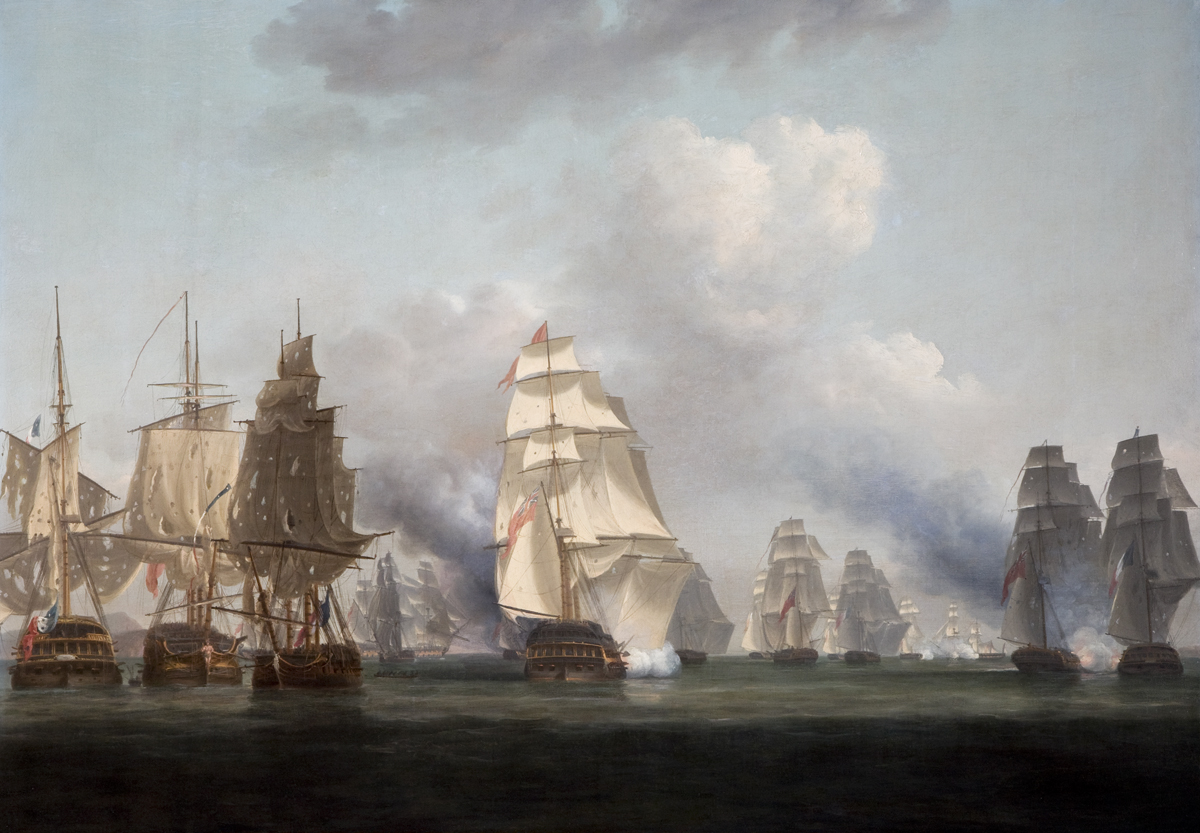
The Battle of Tory Island (also known as the Battle of Donegal, Battle of Lough Swilly or Warren's Action) was a naval action of the French Revolutionary Wars, fought on 12 October 1798 between French and British squadrons off the northwest coast of County Donegal, then in the Kingdom of Ireland. The last action of the Irish Rebellion of 1798, the Battle of Tory Island ended the final attempt by the French Navy to land substantial numbers of soldiers in Ireland during the war.
The Society of United Irishmen, led by Wolfe Tone, launched an uprising against British rule in Ireland in May 1798. At the request of the rebels, a small French force under General Humbert was landed at Killala, County Mayo, but by early September both this expedition and the rebellion had been defeated. Unaware of Humbert's surrender, the French despatched reinforcements on 16 September. Having missed one invasion force, the Royal Navy was on alert for another, and when the squadron carrying the reinforcements left Brest they were soon spotted. After a long chase, the French were brought to battle in a bay off the rugged County Donegal coast in the west of Ulster, very close to Tory Island. During the action the outnumbered French attempted to escape, but were run down and defeated piecemeal, with the British capturing four ships and scattering the survivors. Over the next fortnight, British frigate patrols scoured the passage back to Brest, capturing three more ships. Of the ten ships in the original French squadron, only two frigates and a schooner reached safety. British losses in the campaign were minimal.
The battle marked the last attempt by the French Navy to launch an invasion of any part of the British Isles. It also ended the last hopes the United Irishmen had of obtaining outside support in their struggle with the British. After the action, Tone was recognised aboard the captured French flagship and arrested. He was brought ashore by the British at Buncrana, on the Inishowen Peninsula. He was later tried for treason, convicted, and committed suicide while in prison in Dublin, hours before he was to be hanged.
Britain's enemies in continental Europe had long recognised Ireland as a weak point in Britain's defences. Landing troops there was a popular strategic goal, not only because an invader could expect the support of a large proportion of the native population, but also because at least initially they would face fewer and less reliable troops than elsewhere in the British Isles. Additionally, embroiling the British Army in a protracted Irish campaign would reduce its availability for other theatres of war. Finally, French planners considered that a successful invasion of Ireland might act as the ideal platform for a subsequent invasion of Great Britain.
The rhetoric of the French Revolution inspired many Irishmen to fight for similar principles of liberty, equality, and brotherhood in their own nation; liberty in this context largely meant independence from Great Britain. With these goals in mind, in 1791 Dublin lawyer Wolfe Tone founded the Society of United Irishmen. Allying itself with the French Republic, the society was suppressed by the British authorities and forced to go underground when war broke out between France and Great Britain in 1793. Tone and other members secretly travelled to France to convince the French National Convention to invade Ireland. Such an invasion, they argued, could rely on support from large numbers of Irish irregulars, and if successful would strike a severe blow to the British war effort—perhaps even severe enough to force Britain to seek peace.
French political divisions made organising an operation against Ireland difficult. The process was further hampered by the French Atlantic Fleet's defeat in 1794 at the Glorious First of June and the disastrous Croisière du Grand Hiver operation in 1795. Having lost many of its best officers during the political purges of The Terror, these defeats bred a negative mentality in the French Navy, discouraging adventurous strategic thinking. Eventually, the Expédition d'Irlande was despatched in December 1796 under Admiral Morard de Galles, consisting of 17 ships of the line and 27 smaller vessels, and carrying as many as 25,000 men. Despite elements of the force spending up to a week in Bantry Bay, not a single French soldier was successfully landed, and the expedition was a total disaster, with 13 ships lost and over 2,000 men drowned.
The following year, Tone and his companions tried again, this time persuading the government of the Batavian Republic, which was under French occupation, to prepare their own expedition. During 1797, the Dutch fleet was readied and provisioned, intending to combine with the French fleet and launch a second invasion attempt. The Batavian fleet sailed on a preparatory raiding cruise in the North Sea in October 1797 and on their return were confronted off the Dutch coast by the Royal Navy's North Sea Fleet under Admiral Sir Adam Duncan. Duncan immediately attacked, and in the ensuing Battle of Camperdown captured or destroyed ten ships and scattered the rest, ending the Batavian invasion threat.
Hoping to capitalise on the spontaneous uprising that spread across Ireland in May 1798, Commodore Daniel Savary led a third, and more successful, effort. He took a small frigate squadron flying false British colours to Killala, and in August landed 1,150 French troops under General Humbert. A larger force would have been despatched, but the French had been caught unprepared—the Irish rebellion had originally been planned to coincide with a later French landing, but British intelligence operations had infiltrated the United Irishmen and arrested much of its leadership, prompting a precipitate revolt. Although the uprising achieved some early successes, by the time Humbert arrived its outcome had already been decided with the defeat of successive rebel armies by British troops. Humbert's force was joined by many United Irishmen and had some initial success, but was unable to face superior British numbers at the Battle of Ballinamuck, and surrendered on 8 September. Although its small size allowed it to reach Ireland unobserved, neither Savary's frigate squadron nor the army it carried were large enough to have a significant impact on the campaign.
Hub AI
Battle of Tory Island AI simulator
(@Battle of Tory Island_simulator)
Battle of Tory Island
The Battle of Tory Island (also known as the Battle of Donegal, Battle of Lough Swilly or Warren's Action) was a naval action of the French Revolutionary Wars, fought on 12 October 1798 between French and British squadrons off the northwest coast of County Donegal, then in the Kingdom of Ireland. The last action of the Irish Rebellion of 1798, the Battle of Tory Island ended the final attempt by the French Navy to land substantial numbers of soldiers in Ireland during the war.
The Society of United Irishmen, led by Wolfe Tone, launched an uprising against British rule in Ireland in May 1798. At the request of the rebels, a small French force under General Humbert was landed at Killala, County Mayo, but by early September both this expedition and the rebellion had been defeated. Unaware of Humbert's surrender, the French despatched reinforcements on 16 September. Having missed one invasion force, the Royal Navy was on alert for another, and when the squadron carrying the reinforcements left Brest they were soon spotted. After a long chase, the French were brought to battle in a bay off the rugged County Donegal coast in the west of Ulster, very close to Tory Island. During the action the outnumbered French attempted to escape, but were run down and defeated piecemeal, with the British capturing four ships and scattering the survivors. Over the next fortnight, British frigate patrols scoured the passage back to Brest, capturing three more ships. Of the ten ships in the original French squadron, only two frigates and a schooner reached safety. British losses in the campaign were minimal.
The battle marked the last attempt by the French Navy to launch an invasion of any part of the British Isles. It also ended the last hopes the United Irishmen had of obtaining outside support in their struggle with the British. After the action, Tone was recognised aboard the captured French flagship and arrested. He was brought ashore by the British at Buncrana, on the Inishowen Peninsula. He was later tried for treason, convicted, and committed suicide while in prison in Dublin, hours before he was to be hanged.
Britain's enemies in continental Europe had long recognised Ireland as a weak point in Britain's defences. Landing troops there was a popular strategic goal, not only because an invader could expect the support of a large proportion of the native population, but also because at least initially they would face fewer and less reliable troops than elsewhere in the British Isles. Additionally, embroiling the British Army in a protracted Irish campaign would reduce its availability for other theatres of war. Finally, French planners considered that a successful invasion of Ireland might act as the ideal platform for a subsequent invasion of Great Britain.
The rhetoric of the French Revolution inspired many Irishmen to fight for similar principles of liberty, equality, and brotherhood in their own nation; liberty in this context largely meant independence from Great Britain. With these goals in mind, in 1791 Dublin lawyer Wolfe Tone founded the Society of United Irishmen. Allying itself with the French Republic, the society was suppressed by the British authorities and forced to go underground when war broke out between France and Great Britain in 1793. Tone and other members secretly travelled to France to convince the French National Convention to invade Ireland. Such an invasion, they argued, could rely on support from large numbers of Irish irregulars, and if successful would strike a severe blow to the British war effort—perhaps even severe enough to force Britain to seek peace.
French political divisions made organising an operation against Ireland difficult. The process was further hampered by the French Atlantic Fleet's defeat in 1794 at the Glorious First of June and the disastrous Croisière du Grand Hiver operation in 1795. Having lost many of its best officers during the political purges of The Terror, these defeats bred a negative mentality in the French Navy, discouraging adventurous strategic thinking. Eventually, the Expédition d'Irlande was despatched in December 1796 under Admiral Morard de Galles, consisting of 17 ships of the line and 27 smaller vessels, and carrying as many as 25,000 men. Despite elements of the force spending up to a week in Bantry Bay, not a single French soldier was successfully landed, and the expedition was a total disaster, with 13 ships lost and over 2,000 men drowned.
The following year, Tone and his companions tried again, this time persuading the government of the Batavian Republic, which was under French occupation, to prepare their own expedition. During 1797, the Dutch fleet was readied and provisioned, intending to combine with the French fleet and launch a second invasion attempt. The Batavian fleet sailed on a preparatory raiding cruise in the North Sea in October 1797 and on their return were confronted off the Dutch coast by the Royal Navy's North Sea Fleet under Admiral Sir Adam Duncan. Duncan immediately attacked, and in the ensuing Battle of Camperdown captured or destroyed ten ships and scattered the rest, ending the Batavian invasion threat.
Hoping to capitalise on the spontaneous uprising that spread across Ireland in May 1798, Commodore Daniel Savary led a third, and more successful, effort. He took a small frigate squadron flying false British colours to Killala, and in August landed 1,150 French troops under General Humbert. A larger force would have been despatched, but the French had been caught unprepared—the Irish rebellion had originally been planned to coincide with a later French landing, but British intelligence operations had infiltrated the United Irishmen and arrested much of its leadership, prompting a precipitate revolt. Although the uprising achieved some early successes, by the time Humbert arrived its outcome had already been decided with the defeat of successive rebel armies by British troops. Humbert's force was joined by many United Irishmen and had some initial success, but was unable to face superior British numbers at the Battle of Ballinamuck, and surrendered on 8 September. Although its small size allowed it to reach Ireland unobserved, neither Savary's frigate squadron nor the army it carried were large enough to have a significant impact on the campaign.
Recent media