
Recent from talks
Belshazzar
Knowledge base stats:
Talk channels stats:
Members stats:
Belshazzar
Belshazzar (Babylonian cuneiform:  Bēl-šar-uṣur, meaning "Bel, protect the king"; Hebrew: בֵּלְשַׁאצַּר Bēlšaʾṣṣar) was the son and crown prince of Nabonidus (r. 556 – 539 BC), the last king of the Neo-Babylonian Empire. Through his mother, he might have been a grandson of Nebuchadnezzar II (r. 605 – 562 BC), though this is not certain and the claims to kinship with Nebuchadnezzar may have originated from royal propaganda.
Belshazzar played a pivotal role in the coup d'état that overthrew the king Labashi-Marduk (r. 556 BC– ) and brought Nabonidus to power in 556 BC. Since Belshazzar was the main beneficiary of the coup, through confiscating and inheriting Labashi-Marduk's estates and wealth, it is likely that he was the chief orchestrator. Through proclaiming his father as the new king, Belshazzar also made himself the first-in-line to the throne. As Nabonidus was relatively old at the time, Belshazzar could expect to become king within a few years.
Nabonidus was absent from Babylon from 553 BC to 543 or 542 BC, in self-imposed "exile" at Tayma in Arabia, for unknown reasons. For the duration of the decade-long absence of his father, Belshazzar served as regent in Babylon. Belshazzar was entrusted with many typically royal prerogatives, such as granting privileges, commanding portions of the army, and receiving offerings and oaths, though he continued to be styled as the crown prince (mār šarri, literally meaning "son of the king"), never assuming the title of king (šarru). Belshazzar also lacked many of the prerogatives of kingship, most importantly he was not allowed to preside over and officiate the Babylonian New Year's festival, which was the exclusive right of the king himself. Belshazzar's fate is not known, but is often assumed that he was killed during Cyrus the Great's Persian invasion of Babylonia in 539 BC, presumably at the fall of the capital Babylon on 12 October 539 BC.
Belshazzar appears as a central character in the story of Belshazzar's feast in the Biblical Book of Daniel, recognized by scholars as a work of historical fiction, written about four centuries after Belshazzar's lifetime. Daniel's Belshazzar is portrayed as arrogant but not necessarily malevolent (he, for instance, rewards Daniel for his interpretation of "the writing on the wall"), but in later Jewish tradition Belshazzar was presented as a tyrant who oppresses the Jewish people.
Belshazzar was the son of Nabonidus, an elderly courtier who would rise to become the last king of the Neo-Babylonian Empire. There are various theories concerning Nabonidus's origins, and in turn what claim he had to the throne, since it is not made clear in any contemporary sources. It is possible that Nabonidus was married to one of Nebuchadnezzar II's daughters. Not only would such a connection explain Nabonidus's rise to the throne (due to his being a member of the royal family), but it would also explain later historical traditions in which Belshazzar is described as Nebuchadnezzar's descendant. In the Book of Daniel in the Hebrew Bible, Belshazzar is referred to as Nebuchadnezzar's (grand)son. It is alternatively possible that later traditions of Belshazzar being a descendant of Nebuchadnezzar are derived from royal propaganda, and that there was no connection to the previous ruling Chaldean dynasty.
The ancient Greek historian Herodotus names the "last great queen" of the Babylonian Empire as Nitocris, though that name (nor any other name) is not attested in contemporary Babylonian sources. Herodotus's description of Nitocris contains a wealth of legendary material that makes it difficult to determine whether he uses the name to refer to Nabonidus's wife or mother, but William H. Shea proposed in 1982 that Nitocris may tentatively be identified as the name of Nabonidus's wife and Belshazzar's mother.
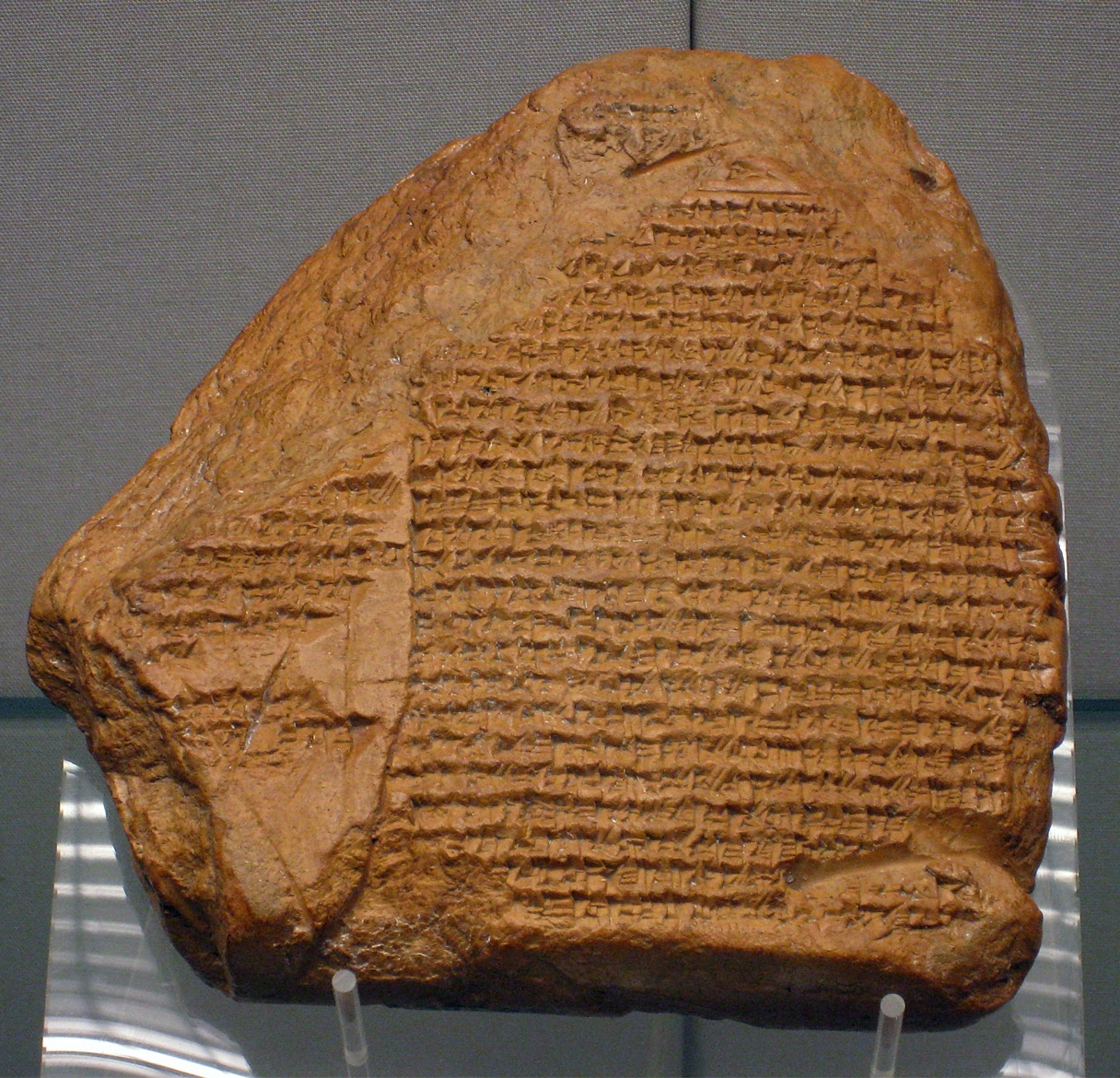
The most important sources for the time of Belshazzar are the Nabonidus Chronicle, the Cyrus Cylinder, and the Verse Account of Nabonidus—which, despite its name, was commissioned by the Persian conqueror Cyrus the Great. As all of these ancient Babylonian documents were written after Babylon was conquered by the Achaemenid Empire, they are biased in favor of Cyrus, and against Nabonidus and Belshazzar.
Belshazzar's father was proclaimed as king in May 556 BC, and by the end of June, tablets recognising Nabonidus are known from across Babylonia. Belshazzar's father came to the throne as a result of a conspiracy that saw the deposition and murder of the previous king, Labashi-Marduk. The sources suggest that while he was part of the conspiracy, Nabonidus had not intended, nor expected, to become king himself and he was hesitant to accept the nomination. After the accession of his father, Belshazzar emerges in the sources as a prominent businessman and the head of a wealthy household, a role that was typically not picked up by members of the royal family in the Neo-Babylonian period. The only other similar case is Neriglissar, though Neriglissar lacked royal blood and had not been the intended successor to the throne, and abandoned his estates upon becoming king, seemingly entrusting them to Labashi-Marduk, his crown prince, and a figure of unclear connections called Nabu-sabit-qate. Whereas Neriglissar's career as a businessman prior to becoming king can be followed through a trail of surviving business documents, Belshazzar appears to have become a prominent member of the Babylonian oligarchy overnight (Belshazzar, in contrast to his co-conspirators was notably not a member of the old Babylonian aristocracy), not being mentioned in any business documents or private transactions prior to Nabonidus becoming king.
Hub AI
Belshazzar AI simulator
(@Belshazzar_simulator)
Belshazzar
Belshazzar (Babylonian cuneiform: Bēl-šar-uṣur, meaning "Bel, protect the king"; Hebrew: בֵּלְשַׁאצַּר Bēlšaʾṣṣar) was the son and crown prince of Nabonidus (r. 556 – 539 BC), the last king of the Neo-Babylonian Empire. Through his mother, he might have been a grandson of Nebuchadnezzar II (r. 605 – 562 BC), though this is not certain and the claims to kinship with Nebuchadnezzar may have originated from royal propaganda.
Belshazzar played a pivotal role in the coup d'état that overthrew the king Labashi-Marduk (r. 556 BC– ) and brought Nabonidus to power in 556 BC. Since Belshazzar was the main beneficiary of the coup, through confiscating and inheriting Labashi-Marduk's estates and wealth, it is likely that he was the chief orchestrator. Through proclaiming his father as the new king, Belshazzar also made himself the first-in-line to the throne. As Nabonidus was relatively old at the time, Belshazzar could expect to become king within a few years.
Nabonidus was absent from Babylon from 553 BC to 543 or 542 BC, in self-imposed "exile" at Tayma in Arabia, for unknown reasons. For the duration of the decade-long absence of his father, Belshazzar served as regent in Babylon. Belshazzar was entrusted with many typically royal prerogatives, such as granting privileges, commanding portions of the army, and receiving offerings and oaths, though he continued to be styled as the crown prince (mār šarri, literally meaning "son of the king"), never assuming the title of king (šarru). Belshazzar also lacked many of the prerogatives of kingship, most importantly he was not allowed to preside over and officiate the Babylonian New Year's festival, which was the exclusive right of the king himself. Belshazzar's fate is not known, but is often assumed that he was killed during Cyrus the Great's Persian invasion of Babylonia in 539 BC, presumably at the fall of the capital Babylon on 12 October 539 BC.
Belshazzar appears as a central character in the story of Belshazzar's feast in the Biblical Book of Daniel, recognized by scholars as a work of historical fiction, written about four centuries after Belshazzar's lifetime. Daniel's Belshazzar is portrayed as arrogant but not necessarily malevolent (he, for instance, rewards Daniel for his interpretation of "the writing on the wall"), but in later Jewish tradition Belshazzar was presented as a tyrant who oppresses the Jewish people.
Belshazzar was the son of Nabonidus, an elderly courtier who would rise to become the last king of the Neo-Babylonian Empire. There are various theories concerning Nabonidus's origins, and in turn what claim he had to the throne, since it is not made clear in any contemporary sources. It is possible that Nabonidus was married to one of Nebuchadnezzar II's daughters. Not only would such a connection explain Nabonidus's rise to the throne (due to his being a member of the royal family), but it would also explain later historical traditions in which Belshazzar is described as Nebuchadnezzar's descendant. In the Book of Daniel in the Hebrew Bible, Belshazzar is referred to as Nebuchadnezzar's (grand)son. It is alternatively possible that later traditions of Belshazzar being a descendant of Nebuchadnezzar are derived from royal propaganda, and that there was no connection to the previous ruling Chaldean dynasty.
The ancient Greek historian Herodotus names the "last great queen" of the Babylonian Empire as Nitocris, though that name (nor any other name) is not attested in contemporary Babylonian sources. Herodotus's description of Nitocris contains a wealth of legendary material that makes it difficult to determine whether he uses the name to refer to Nabonidus's wife or mother, but William H. Shea proposed in 1982 that Nitocris may tentatively be identified as the name of Nabonidus's wife and Belshazzar's mother.
The most important sources for the time of Belshazzar are the Nabonidus Chronicle, the Cyrus Cylinder, and the Verse Account of Nabonidus—which, despite its name, was commissioned by the Persian conqueror Cyrus the Great. As all of these ancient Babylonian documents were written after Babylon was conquered by the Achaemenid Empire, they are biased in favor of Cyrus, and against Nabonidus and Belshazzar.
Belshazzar's father was proclaimed as king in May 556 BC, and by the end of June, tablets recognising Nabonidus are known from across Babylonia. Belshazzar's father came to the throne as a result of a conspiracy that saw the deposition and murder of the previous king, Labashi-Marduk. The sources suggest that while he was part of the conspiracy, Nabonidus had not intended, nor expected, to become king himself and he was hesitant to accept the nomination. After the accession of his father, Belshazzar emerges in the sources as a prominent businessman and the head of a wealthy household, a role that was typically not picked up by members of the royal family in the Neo-Babylonian period. The only other similar case is Neriglissar, though Neriglissar lacked royal blood and had not been the intended successor to the throne, and abandoned his estates upon becoming king, seemingly entrusting them to Labashi-Marduk, his crown prince, and a figure of unclear connections called Nabu-sabit-qate. Whereas Neriglissar's career as a businessman prior to becoming king can be followed through a trail of surviving business documents, Belshazzar appears to have become a prominent member of the Babylonian oligarchy overnight (Belshazzar, in contrast to his co-conspirators was notably not a member of the old Babylonian aristocracy), not being mentioned in any business documents or private transactions prior to Nabonidus becoming king.
Recent media