
Recent from talks
Benjamin Mays
Knowledge base stats:
Talk channels stats:
Members stats:
Benjamin Mays
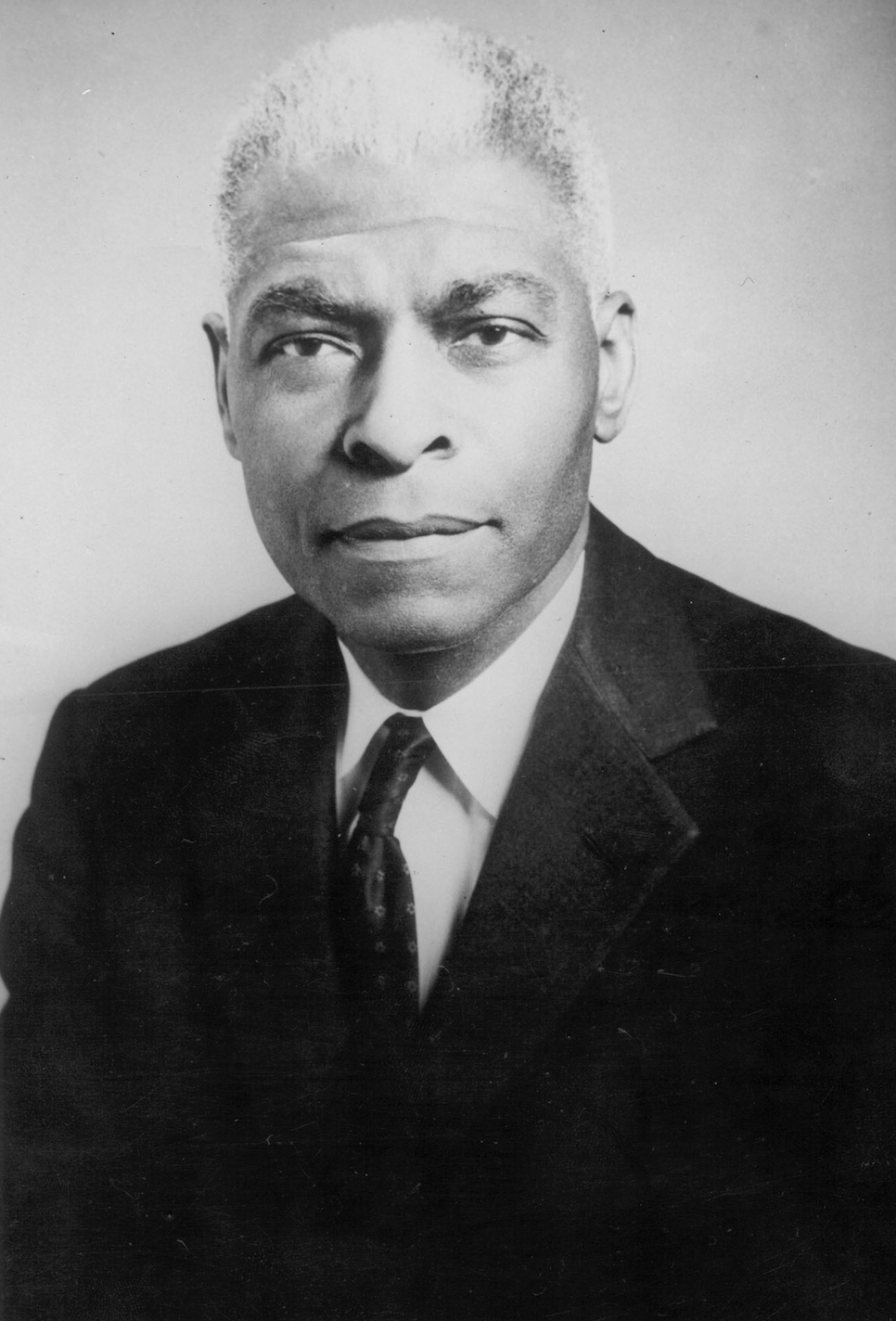
Benjamin Elijah Mays (August 1, 1894 – March 28, 1984) was an American Baptist minister and civil rights leader who is credited with laying the intellectual foundations of the American civil rights movement. Mays taught and mentored many influential activists, including Martin Luther King Jr, Julian Bond, Maynard Jackson, and Donn Clendenon, among others. His rhetoric and intellectual pursuits focused on Black self-determination. Mays' commitment to social justice through nonviolence and civil resistance were cultivated from his youth through the lessons imbibed from his parents and eldest sister. The peak of his public influence coincided with his nearly three-decade tenure as the sixth president of Morehouse College, a historically black institution of higher learning, in Atlanta, Georgia.
Mays was born in the Jim Crow South on a repurposed cotton plantation to freed sharecroppers. He traveled North to attend Bates College and the University of Chicago from where he began his career in activism as a pastor in Georgia's Shiloh Baptist Church. After a brief career as a professor, he was appointed the founding Dean of the School of Religion at Howard University in 1934 which elevated him to national prominence as a proponent of the New Negro movement. Six years later, Mays was tapped to lead Morehouse out of its financial insecurity. Over his tenure from 1940 to 1967, the college's financial endowment doubled, enrollment quadrupled, and it became academically competitive. By the 1960s, Mays established the college as a feeder school for "African-American firsts" in the United States.
Due to the college's small student body, Mays personally mentored many students, most notably King; the two first met in 1944. King was known as Mays' "spiritual son" and Mays his "intellectual father". After King's "I Have A Dream" speech at the March on Washington for Jobs and Freedom in 1963, Mays gave the benediction. Five years later, upon King's assassination and death, Mays delivered the eulogy where he described King in his "No Man is Ahead of His Time" speech. Mays stepped down from the Morehouse presidency in 1967 continuing to work as a leader in the African American community through national social tours. He presided over the Atlanta Board of Education from 1969 to 1978, where he initiated the racial desegregation of Atlanta.
Mays' contributions to the civil rights movement have had him credited as the "movement's intellectual conscience" or alternatively the "Dean [or Schoolmaster] of the Movement". Historian Lawrence Carter described Mays as "one of the most significant figures in American history". Memorials include hundreds of streets, buildings, statues, awards, scholarships, grants, and fellowships named in his honor. Numerous efforts have been brought forward to posthumously award Mays the Presidential Medal of Freedom as well as feature him on a U.S. postage stamp. Mays has, since 1995, been entombed on the campus of Morehouse, with his wife, Sadie Gray, after an initial burial in Augusta.
Benjamin Elijah Mays was born on August 1, 1894, in Epworth, South Carolina, in the small county of Greenwood, South Carolina, the youngest of eight children. His mother, Louvenia Carter Mays, and father, Hezekiah Mays, were born into slavery on Virginia and South Carolina plantations, respectively. Both were freed in their later lives with the passage of the 1863 Emancipation Proclamation. Mays' father often hit him, his siblings and Louvenia growing up, expressing anger about how he was treated by his master. The "Mays" family name was derived from their slaver and owner's name, Henry Hazel Mays; he owned 14 slaves in the same area. Hezekiah worked as a cotton sharecropper to generate income for his family.
Mays was told to be cautious of white people and exhibit black pride whenever possible growing up. Mays' older sister, Susie, began to teach him how to read before his formal schooling commenced, which gave him a year's growth in reading compared to the other students in his primary schools. School officials cited him as "destined for greatness". Growing up, he went by the nickname "Bennie" and was inspired by Frederick Douglass, Booker T. Washington, and Thomas E. Miller. The Bible was influential to young Mays because he could see his name (of Biblical origins) mentioned frequently, instilling a feeling of empowerment within. During this time, Benjamin Tillman rose to power in South Carolina which saw to the redoubling of lynching and segregation in Mays' neighborhood. Throughout his tenure as governor, 18 black men were lynched and dozens were hurt in the 1876 shoot-off. On November 8, 1898, members of the Phoenix Riot–a white supremacist mob–rode up on horses to the Mays household, a repurposed cotton plantation. They drew their guns at Mays' father and told him to remove his hat and bow down to them. The event would stay with Mays throughout his life. A year later, white mobs and Ku Klux Klan members searched his house in search of relatives after local newspapers announced that cotton prices had plummeted.
In 1911, he was enrolled at the Brick House School in Epworth, a Baptist-sponsored He also was enrolled in Bethany Industrial Graded School in McCormick, South Carolina founded by his church pastor Rev. James Foster Marshall. He then transferred to the High School Department of South Carolina State College in Orangeburg. He graduated in 1916, aged 22 as its valedictorian. In high school, teachers often let Mays instruct parts of the mathematics curriculum to students in exchange for extra credit. He won awards for debate and mathematics. A teacher at the school had told Mays to seek graduate school at the University of Chicago as he thought the school would best nurture Mays' intellect. However, before attending graduate school Mays needed to seek an undergraduate education. His relatives and teachers forced him to attend a Baptist university–the Virginia Union University. He grew weary of the violence against blacks in Virginia so he sought the guidance of his academic advisors at Virginia Union. They advised him to look into schools in the North as they were typically seen as more prestigious, challenging, and prominent than those of the South.
Four professors at the university had attended Bates College in Lewiston, Maine and urged Mays to apply. However, its exacting standards prohibited him from attending. After a year more in Richmond, Mays elevated his grades to the top of his class and wrote personally to Bates president George Colby Chase. Chase granted him a full financial aid package and boarding upon hearing his story and reviewing his academic background. Virginia Union's president warned him that studies at Bates would be "too hard for a colored boy" and that he should stay in Virginia. Mays ignored his warnings and enrolled in 1917, aged 23. While at Bates he felt pressure to compete with "Yankees at the Yankee level" which drove him to dedicate him to his studies. He would write in a diary: "Yankee superiority was the gauntlet thrown down. I had to pick it up." Working to midnight weekly and arising at 4 AM, Mays excelled at Greek, mathematics, and speech. Although he would experience little racism in college, upon seeing The Birth of a Nation in a local cinema, the crowd cheered for the white slaver which frightened Mays. In college, he was captain of the debate team, played on the football team and served as the Class Day Speaker. He graduated with departmental honors with a B.A. in 1920. Contrary to popular writing and official college records, Mays never received Phi Beta Kappa; his attendance of a "high school school from the South" disqualified him.
Hub AI
Benjamin Mays AI simulator
(@Benjamin Mays_simulator)
Benjamin Mays
Benjamin Elijah Mays (August 1, 1894 – March 28, 1984) was an American Baptist minister and civil rights leader who is credited with laying the intellectual foundations of the American civil rights movement. Mays taught and mentored many influential activists, including Martin Luther King Jr, Julian Bond, Maynard Jackson, and Donn Clendenon, among others. His rhetoric and intellectual pursuits focused on Black self-determination. Mays' commitment to social justice through nonviolence and civil resistance were cultivated from his youth through the lessons imbibed from his parents and eldest sister. The peak of his public influence coincided with his nearly three-decade tenure as the sixth president of Morehouse College, a historically black institution of higher learning, in Atlanta, Georgia.
Mays was born in the Jim Crow South on a repurposed cotton plantation to freed sharecroppers. He traveled North to attend Bates College and the University of Chicago from where he began his career in activism as a pastor in Georgia's Shiloh Baptist Church. After a brief career as a professor, he was appointed the founding Dean of the School of Religion at Howard University in 1934 which elevated him to national prominence as a proponent of the New Negro movement. Six years later, Mays was tapped to lead Morehouse out of its financial insecurity. Over his tenure from 1940 to 1967, the college's financial endowment doubled, enrollment quadrupled, and it became academically competitive. By the 1960s, Mays established the college as a feeder school for "African-American firsts" in the United States.
Due to the college's small student body, Mays personally mentored many students, most notably King; the two first met in 1944. King was known as Mays' "spiritual son" and Mays his "intellectual father". After King's "I Have A Dream" speech at the March on Washington for Jobs and Freedom in 1963, Mays gave the benediction. Five years later, upon King's assassination and death, Mays delivered the eulogy where he described King in his "No Man is Ahead of His Time" speech. Mays stepped down from the Morehouse presidency in 1967 continuing to work as a leader in the African American community through national social tours. He presided over the Atlanta Board of Education from 1969 to 1978, where he initiated the racial desegregation of Atlanta.
Mays' contributions to the civil rights movement have had him credited as the "movement's intellectual conscience" or alternatively the "Dean [or Schoolmaster] of the Movement". Historian Lawrence Carter described Mays as "one of the most significant figures in American history". Memorials include hundreds of streets, buildings, statues, awards, scholarships, grants, and fellowships named in his honor. Numerous efforts have been brought forward to posthumously award Mays the Presidential Medal of Freedom as well as feature him on a U.S. postage stamp. Mays has, since 1995, been entombed on the campus of Morehouse, with his wife, Sadie Gray, after an initial burial in Augusta.
Benjamin Elijah Mays was born on August 1, 1894, in Epworth, South Carolina, in the small county of Greenwood, South Carolina, the youngest of eight children. His mother, Louvenia Carter Mays, and father, Hezekiah Mays, were born into slavery on Virginia and South Carolina plantations, respectively. Both were freed in their later lives with the passage of the 1863 Emancipation Proclamation. Mays' father often hit him, his siblings and Louvenia growing up, expressing anger about how he was treated by his master. The "Mays" family name was derived from their slaver and owner's name, Henry Hazel Mays; he owned 14 slaves in the same area. Hezekiah worked as a cotton sharecropper to generate income for his family.
Mays was told to be cautious of white people and exhibit black pride whenever possible growing up. Mays' older sister, Susie, began to teach him how to read before his formal schooling commenced, which gave him a year's growth in reading compared to the other students in his primary schools. School officials cited him as "destined for greatness". Growing up, he went by the nickname "Bennie" and was inspired by Frederick Douglass, Booker T. Washington, and Thomas E. Miller. The Bible was influential to young Mays because he could see his name (of Biblical origins) mentioned frequently, instilling a feeling of empowerment within. During this time, Benjamin Tillman rose to power in South Carolina which saw to the redoubling of lynching and segregation in Mays' neighborhood. Throughout his tenure as governor, 18 black men were lynched and dozens were hurt in the 1876 shoot-off. On November 8, 1898, members of the Phoenix Riot–a white supremacist mob–rode up on horses to the Mays household, a repurposed cotton plantation. They drew their guns at Mays' father and told him to remove his hat and bow down to them. The event would stay with Mays throughout his life. A year later, white mobs and Ku Klux Klan members searched his house in search of relatives after local newspapers announced that cotton prices had plummeted.
In 1911, he was enrolled at the Brick House School in Epworth, a Baptist-sponsored He also was enrolled in Bethany Industrial Graded School in McCormick, South Carolina founded by his church pastor Rev. James Foster Marshall. He then transferred to the High School Department of South Carolina State College in Orangeburg. He graduated in 1916, aged 22 as its valedictorian. In high school, teachers often let Mays instruct parts of the mathematics curriculum to students in exchange for extra credit. He won awards for debate and mathematics. A teacher at the school had told Mays to seek graduate school at the University of Chicago as he thought the school would best nurture Mays' intellect. However, before attending graduate school Mays needed to seek an undergraduate education. His relatives and teachers forced him to attend a Baptist university–the Virginia Union University. He grew weary of the violence against blacks in Virginia so he sought the guidance of his academic advisors at Virginia Union. They advised him to look into schools in the North as they were typically seen as more prestigious, challenging, and prominent than those of the South.
Four professors at the university had attended Bates College in Lewiston, Maine and urged Mays to apply. However, its exacting standards prohibited him from attending. After a year more in Richmond, Mays elevated his grades to the top of his class and wrote personally to Bates president George Colby Chase. Chase granted him a full financial aid package and boarding upon hearing his story and reviewing his academic background. Virginia Union's president warned him that studies at Bates would be "too hard for a colored boy" and that he should stay in Virginia. Mays ignored his warnings and enrolled in 1917, aged 23. While at Bates he felt pressure to compete with "Yankees at the Yankee level" which drove him to dedicate him to his studies. He would write in a diary: "Yankee superiority was the gauntlet thrown down. I had to pick it up." Working to midnight weekly and arising at 4 AM, Mays excelled at Greek, mathematics, and speech. Although he would experience little racism in college, upon seeing The Birth of a Nation in a local cinema, the crowd cheered for the white slaver which frightened Mays. In college, he was captain of the debate team, played on the football team and served as the Class Day Speaker. He graduated with departmental honors with a B.A. in 1920. Contrary to popular writing and official college records, Mays never received Phi Beta Kappa; his attendance of a "high school school from the South" disqualified him.
Recent media