
Recent from talks
Bernard de Neufmarché
Knowledge base stats:
Talk channels stats:
Members stats:
Bernard de Neufmarché
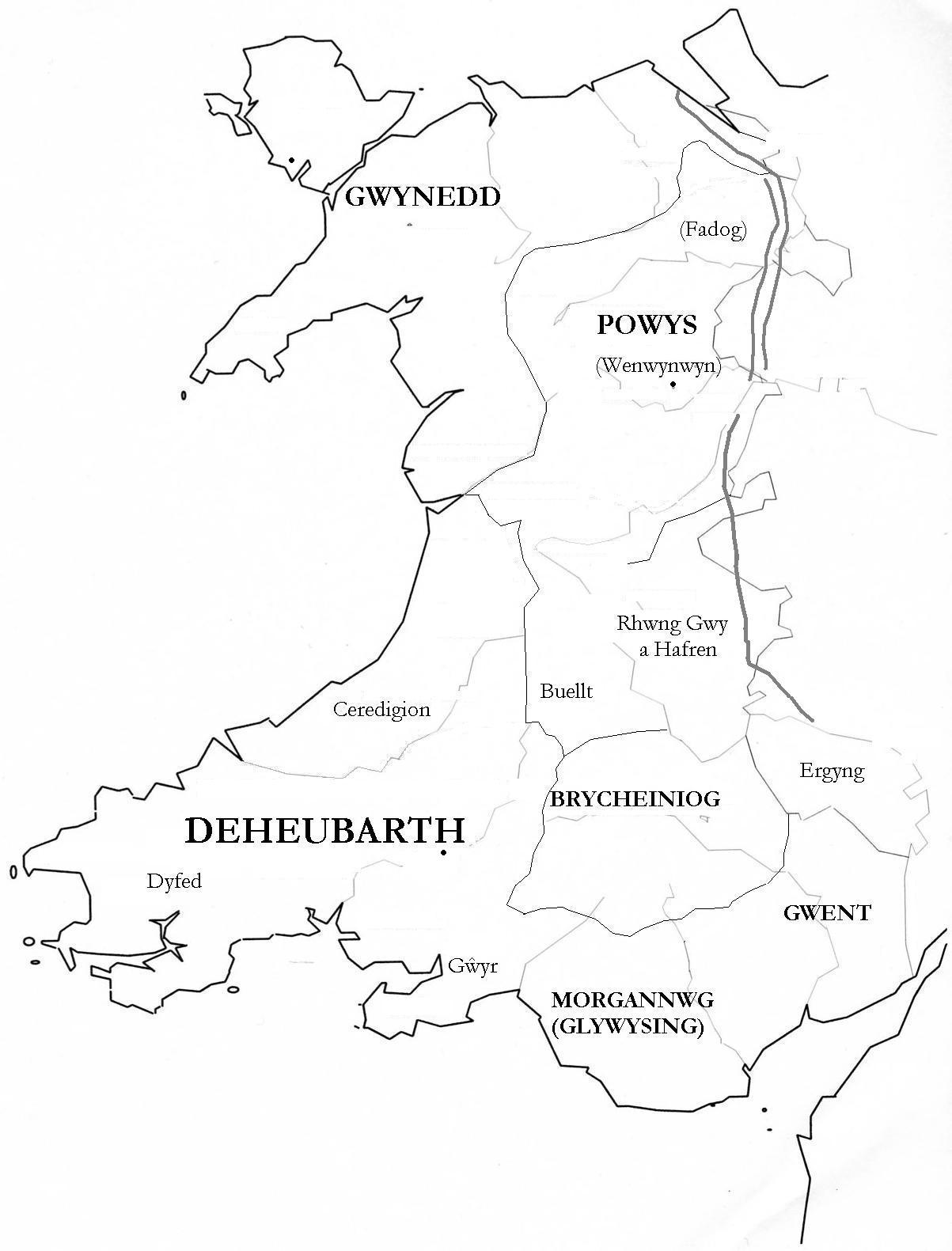
Bernard de Neufmarché (c. 1050 – c. 1125), also Bernard of Newmarket or Bernard of Newmarch was the first of the Norman conquerors of Wales. He was a minor Norman lord who rose to power in the Welsh Marches before successfully undertaking the invasion and conquest of the Kingdom of Brycheiniog between 1088 and 1095. Out of the ruins of the Welsh kingdom he created the Anglo-Norman lordship of Brecon.
His toponymic byname comes from Neuf-Marché in Normandy. It was Latinised as de Novo Mercato (literally: "from the new market"), and has sometimes been Anglicised as "Newmarket" or "Newmarch".
Because Bernard's family had attachments to the monastery of Saint-Evroul-sur-Ouche, the monkish chronicler Orderic Vitalis of that foundation had special knowledge of him and his family, though this still does not reduce the general obscurity of his origins or his life when compared to the richer Marcher Lords, like the great Roger of Montgomery. Bernard was the son of the minor Norman baron Geoffrey de Neufmarché and Ada de Hugleville, and he was born at the castle of Le-Neuf-Marché-en-Lions on the frontier between Normandy and Beauvais. His ancestors on his mother's side had founded the town of Auffay south of Dieppe on the Scie, while his paternal grandfather, Turquetil (Turchetil d'Harcourt), had served the young William II of Normandy as a guardian and was killed in that capacity. On his mother's side he also descended from the dukes of Normandy.
The question of Bernard's participation in the Battle of Hastings and therefore in the Norman Invasion is subject to debate. While Bernard had close family connections to the port of Saint-Valery-sur-Somme from which William's invading fleet launched, Bernard himself was not the ruler of that city and need not have been in the fleet. He had later connections with Battle Abbey: he established a cell of that abbey in Brecon, but that may have been an analogous foundation intended to mark his conquest of Brycheiniog. Bernard's peculiar absence from the Domesday Book of 1086 more or less damns the case for his presence at Hastings, for it is impossible that a noble participant in the victorious battle should not have received land to be recorded in Domesday if he was still living in 1087.
Bernard was finally rewarded by the king, then William II of Normandy, in 1086 or 1087. He received lands in Herefordshire and lands which had devolved to the crown with the deaths of Gilbert fitz Thorold and Alfred of Marlborough. Gilbert's lands were concentrated in Herefordshire and included the manors of Bach, Middlewood and Harewood in the Golden Valley and the castles of Dorstone, Snodhill and Urishay connecting Clifford Castle to Ewyas Harold, which belonged to Alfred's lordship. Among Bernard's acquisitions from Gilbert was the domus defensabilis of Eardisley. From Alfred he received Pembridge, Burghill and Brinsop. Of these Snodhill was not founded until the twelfth century and then became the caput of the honour of Chandos. Bernard was also established in Speen and Newbury in Berkshire and Brinsop and Burghill in Herefordshire sometime before 1079. Both these latter vills were held from his honour of Brecon in the twelfth century. Bernard's omission from Domesday is especially peculiar there. It is possible that he had some kind of exemption.
Probably as a consequence of his rapid rise in the marches, Bernard attracted the attention of Osbern fitzRichard, who gave him his daughter, Agnes (Nest), whose mother was the Welsh princess Nest, daughter of Gruffydd ap Llywelyn and Edith of Mercia, in marriage sometime before 1099. She brought with her a dowry of Berrington and Little Hereford.
All of Bernard's estates lay in the valley of the River Wye and along an old Roman road which led from Watling Street to Y Gaer and on into Brycheiniog. The military possibilities of that road could only have encouraged his subsequent ventures into Wales.
Bernard joined the rebellion of the marcher lords against William Rufus at Lent in 1088. Bernard escaped without recorded punishment and the king probably conceded the marcher lords the right to expand their lands by conquest at the expense of the Welsh buffer kingdoms of Brycheiniog, Morgannwg and Gwynllwg. Shortly after the settlement with the king, Bernard spearheaded an invasion of Brycheiniog which was to lead eventually to its conquest. Before the end of the year, though, he had captured Glasbury, for he issued a charter for lands near that place to the abbey of Saint Peter's at Gloucester (autumn 1088).
Hub AI
Bernard de Neufmarché AI simulator
(@Bernard de Neufmarché_simulator)
Bernard de Neufmarché
Bernard de Neufmarché (c. 1050 – c. 1125), also Bernard of Newmarket or Bernard of Newmarch was the first of the Norman conquerors of Wales. He was a minor Norman lord who rose to power in the Welsh Marches before successfully undertaking the invasion and conquest of the Kingdom of Brycheiniog between 1088 and 1095. Out of the ruins of the Welsh kingdom he created the Anglo-Norman lordship of Brecon.
His toponymic byname comes from Neuf-Marché in Normandy. It was Latinised as de Novo Mercato (literally: "from the new market"), and has sometimes been Anglicised as "Newmarket" or "Newmarch".
Because Bernard's family had attachments to the monastery of Saint-Evroul-sur-Ouche, the monkish chronicler Orderic Vitalis of that foundation had special knowledge of him and his family, though this still does not reduce the general obscurity of his origins or his life when compared to the richer Marcher Lords, like the great Roger of Montgomery. Bernard was the son of the minor Norman baron Geoffrey de Neufmarché and Ada de Hugleville, and he was born at the castle of Le-Neuf-Marché-en-Lions on the frontier between Normandy and Beauvais. His ancestors on his mother's side had founded the town of Auffay south of Dieppe on the Scie, while his paternal grandfather, Turquetil (Turchetil d'Harcourt), had served the young William II of Normandy as a guardian and was killed in that capacity. On his mother's side he also descended from the dukes of Normandy.
The question of Bernard's participation in the Battle of Hastings and therefore in the Norman Invasion is subject to debate. While Bernard had close family connections to the port of Saint-Valery-sur-Somme from which William's invading fleet launched, Bernard himself was not the ruler of that city and need not have been in the fleet. He had later connections with Battle Abbey: he established a cell of that abbey in Brecon, but that may have been an analogous foundation intended to mark his conquest of Brycheiniog. Bernard's peculiar absence from the Domesday Book of 1086 more or less damns the case for his presence at Hastings, for it is impossible that a noble participant in the victorious battle should not have received land to be recorded in Domesday if he was still living in 1087.
Bernard was finally rewarded by the king, then William II of Normandy, in 1086 or 1087. He received lands in Herefordshire and lands which had devolved to the crown with the deaths of Gilbert fitz Thorold and Alfred of Marlborough. Gilbert's lands were concentrated in Herefordshire and included the manors of Bach, Middlewood and Harewood in the Golden Valley and the castles of Dorstone, Snodhill and Urishay connecting Clifford Castle to Ewyas Harold, which belonged to Alfred's lordship. Among Bernard's acquisitions from Gilbert was the domus defensabilis of Eardisley. From Alfred he received Pembridge, Burghill and Brinsop. Of these Snodhill was not founded until the twelfth century and then became the caput of the honour of Chandos. Bernard was also established in Speen and Newbury in Berkshire and Brinsop and Burghill in Herefordshire sometime before 1079. Both these latter vills were held from his honour of Brecon in the twelfth century. Bernard's omission from Domesday is especially peculiar there. It is possible that he had some kind of exemption.
Probably as a consequence of his rapid rise in the marches, Bernard attracted the attention of Osbern fitzRichard, who gave him his daughter, Agnes (Nest), whose mother was the Welsh princess Nest, daughter of Gruffydd ap Llywelyn and Edith of Mercia, in marriage sometime before 1099. She brought with her a dowry of Berrington and Little Hereford.
All of Bernard's estates lay in the valley of the River Wye and along an old Roman road which led from Watling Street to Y Gaer and on into Brycheiniog. The military possibilities of that road could only have encouraged his subsequent ventures into Wales.
Bernard joined the rebellion of the marcher lords against William Rufus at Lent in 1088. Bernard escaped without recorded punishment and the king probably conceded the marcher lords the right to expand their lands by conquest at the expense of the Welsh buffer kingdoms of Brycheiniog, Morgannwg and Gwynllwg. Shortly after the settlement with the king, Bernard spearheaded an invasion of Brycheiniog which was to lead eventually to its conquest. Before the end of the year, though, he had captured Glasbury, for he issued a charter for lands near that place to the abbey of Saint Peter's at Gloucester (autumn 1088).
Recent media