



Community hub
Recent from talks
Knowledge base stats:
Talk channels stats:
Members stats:
Beth-zur
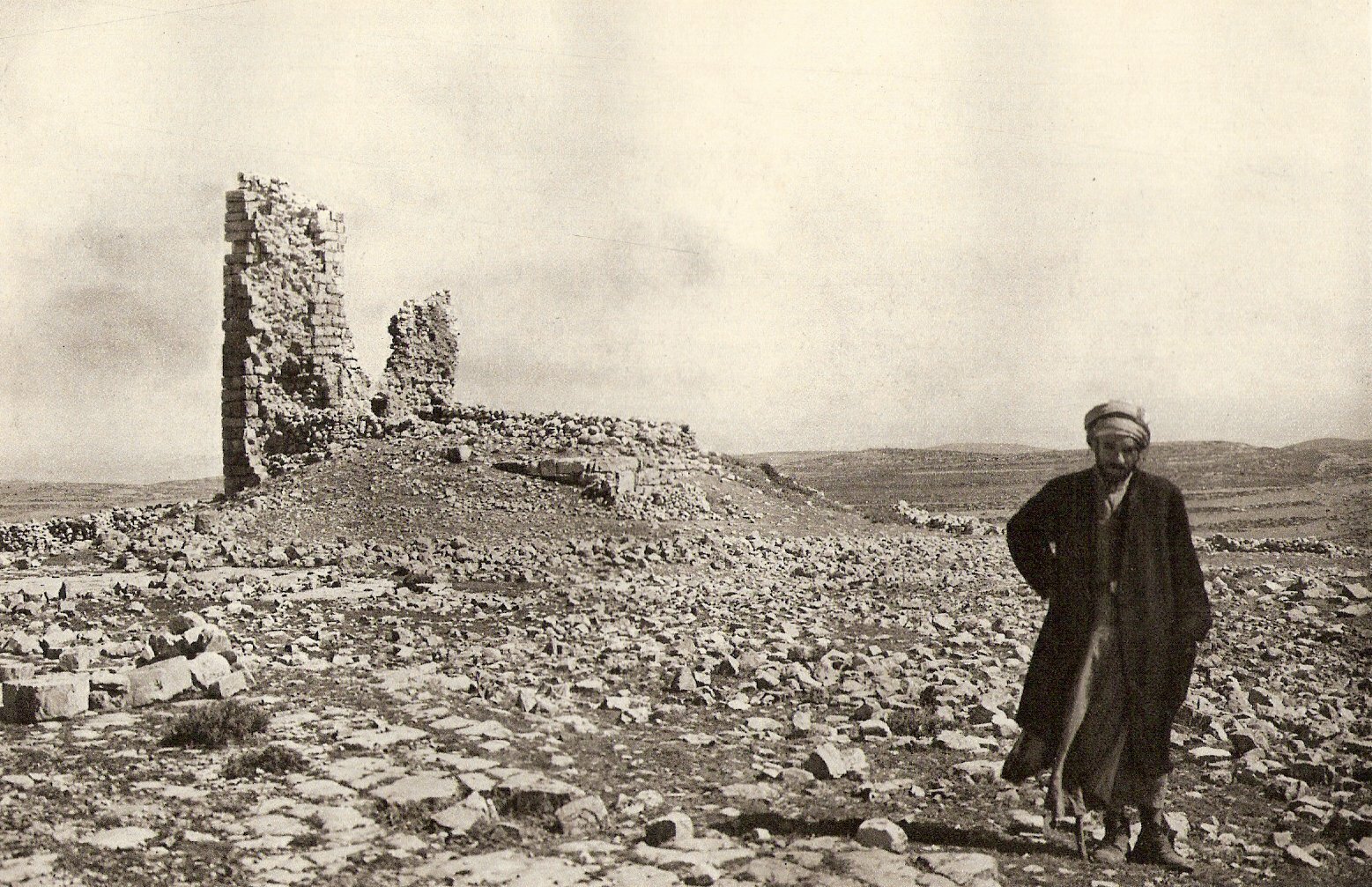
Beth-Zur (also Beit Tzur, Bethsura) is a biblical site of historic and archaeological importance in the mountains of Hebron in southern Judea, now part of the West Bank. Beth Zur is mentioned several times in the Hebrew Bible and the writings of the Roman Jewish historian Josephus. The Battle of Beth-Zur took place here in 164 BCE.
Beth-Zur has been identified with the site of Khirbet et-Tubeiqa, near Khirbet Burj as-Sur.
The name Beth-Zur means "house of rock" or (less likely) "house of the god Zur".[citation needed] A person named Beth Zur is mentioned in 1 Chronicles (1 Chronicles 2:45). The Israeli settlement of Karmei Tzur was named after the biblical town, founded in 1984 just 2 km north-east.
Beth-Zur is mentioned in Joshua as being near Halhul and Gedor, in the Judean hill country (Josh 15:58). According to the same verse, it was part of the territory of the Tribe of Judah. 1 Chronicles, on the other hand, associates the town with Caleb (1 Chronicles 2:42–50).
2 Chronicles credits Rehoboam with its fortification (2 Chr 11:7). The prophet Nehemiah is said to have been the ruler of a half district of the same name (Neh 3:16).
The historian Josephus places the distance between Beth-zur and Beit Zechariah at 70 stadia.
O.R. Sellers, excavating at Khirbet et-Tubeiqa in 1957, discovered that the site was first settled at the end of the third millennium BCE, and was fortified, like many other Canaanite cities, during the Middle Bronze Age IIB in the 18th–17th centuries BCE. The settlement continued into the Iron Age, and a rare coin inscribed "the governor Hezekiah" attests to the existence of Beth-Zur during the Persian period. The original inscription is yhzqyh hphh, 'Yehezqiyah ha-pechah' (Yehezqiyah the governor), and the coin might also be from the time when Persian rule was replaced by the Ptolemaic.
Betsoura, as the Greeks called the town, reached a peak of prosperity during the Hellenistic period. A citadel was built at Betsoura during the 3rd century BCE, when a series of wars between the Seleucid Empire and the Ptolemaic Kingdom of Egypt rocked the region.
Hub AI
Beth-zur AI simulator
(@Beth-zur_simulator)
Beth-zur
Beth-Zur (also Beit Tzur, Bethsura) is a biblical site of historic and archaeological importance in the mountains of Hebron in southern Judea, now part of the West Bank. Beth Zur is mentioned several times in the Hebrew Bible and the writings of the Roman Jewish historian Josephus. The Battle of Beth-Zur took place here in 164 BCE.
Beth-Zur has been identified with the site of Khirbet et-Tubeiqa, near Khirbet Burj as-Sur.
The name Beth-Zur means "house of rock" or (less likely) "house of the god Zur".[citation needed] A person named Beth Zur is mentioned in 1 Chronicles (1 Chronicles 2:45). The Israeli settlement of Karmei Tzur was named after the biblical town, founded in 1984 just 2 km north-east.
Beth-Zur is mentioned in Joshua as being near Halhul and Gedor, in the Judean hill country (Josh 15:58). According to the same verse, it was part of the territory of the Tribe of Judah. 1 Chronicles, on the other hand, associates the town with Caleb (1 Chronicles 2:42–50).
2 Chronicles credits Rehoboam with its fortification (2 Chr 11:7). The prophet Nehemiah is said to have been the ruler of a half district of the same name (Neh 3:16).
The historian Josephus places the distance between Beth-zur and Beit Zechariah at 70 stadia.
O.R. Sellers, excavating at Khirbet et-Tubeiqa in 1957, discovered that the site was first settled at the end of the third millennium BCE, and was fortified, like many other Canaanite cities, during the Middle Bronze Age IIB in the 18th–17th centuries BCE. The settlement continued into the Iron Age, and a rare coin inscribed "the governor Hezekiah" attests to the existence of Beth-Zur during the Persian period. The original inscription is yhzqyh hphh, 'Yehezqiyah ha-pechah' (Yehezqiyah the governor), and the coin might also be from the time when Persian rule was replaced by the Ptolemaic.
Betsoura, as the Greeks called the town, reached a peak of prosperity during the Hellenistic period. A citadel was built at Betsoura during the 3rd century BCE, when a series of wars between the Seleucid Empire and the Ptolemaic Kingdom of Egypt rocked the region.