



Community hub
Recent from talks
Knowledge base stats:
Talk channels stats:
Members stats:
Bimaal
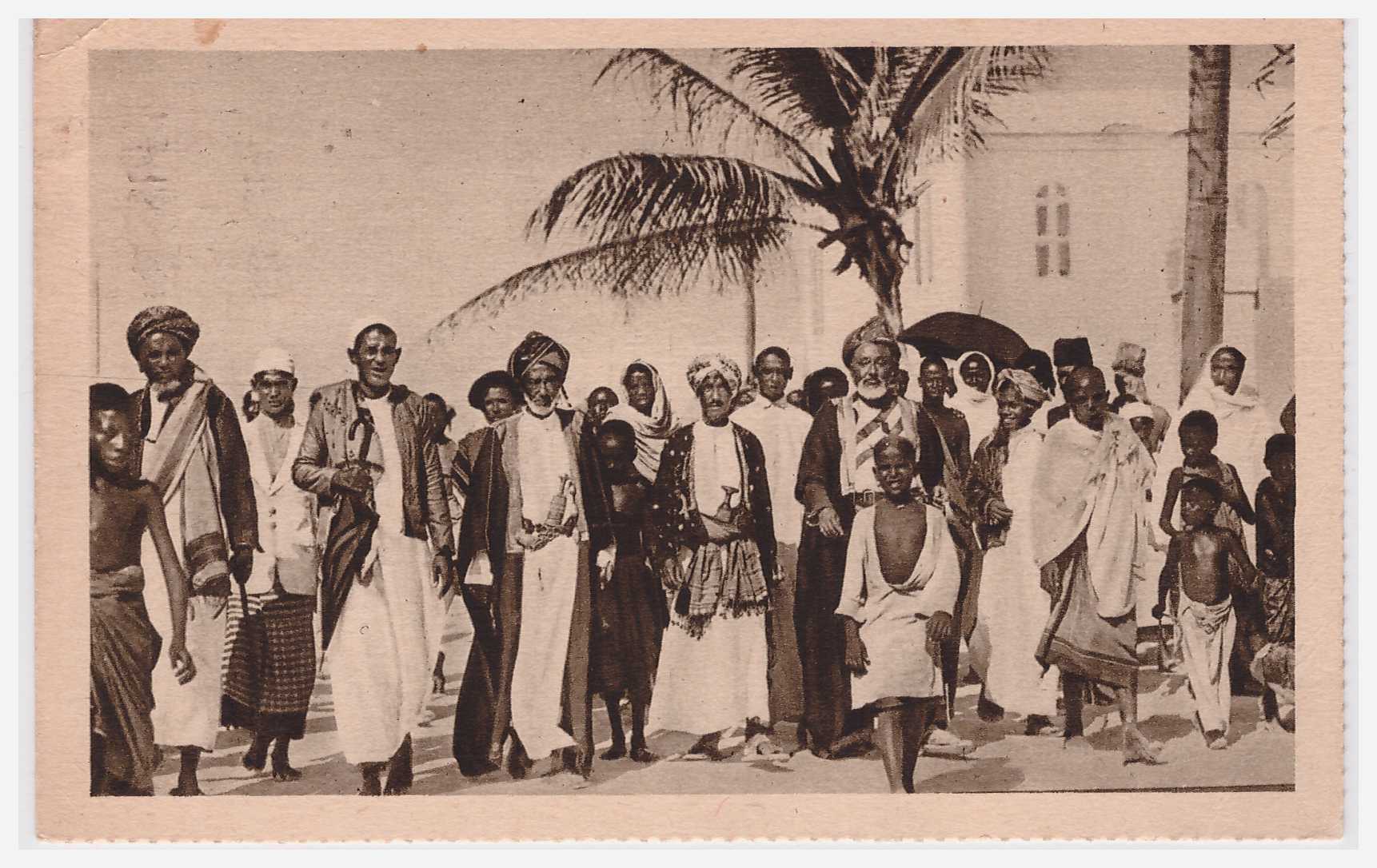
The Bimaal or Bimal, (Somali: Biimaal; Arabic:بيمال) are a sub-clan of the major Dir clan family. This clan is widely known for leading a resistance against the colonials in northern Somalia for decades which can be compared to the war of the Sayyid in Somaliland. The Biimaal mainly lives in southern Somalia, the Somali region of Ethiopia, which their Gaadsen sub-clan mainly inhabits.
The Bimal are the dominant clan in Merca district of Lower Shabelle region and make up the majority in Jammaame district of Lower Jubba region. They also live in large numbers inhabit the Somali region of Ethiopia. The Bimal are a war-like clan that was known for their struggle and long resistance against the Italians.
The Bimal are a Dir clan that migrated to Lower Shabelle centuries ago and settled on the coast between Gelib-marka and Brava as sedentary farmers. The Bimal are divided into four subclans, the Saad, Ismin, Suleyman, and Abdirahman.
As a Dir sub-clan, the Bīmāli have immediate lineal ties with the Gadabuursi, Surre (Abdalle and Qubeys), the Issa, the Bajimal, the Gaadsan, the Madigan, the Gurgura, the Quranyow-Garre, Gurre, Gariire, other Dir sub-clans and they have lineal ties with the Hawiye (Irir), Hawadle, Ajuraan, Degoodi, Gaalje'el clan groups, who share the same ancestor Samaale.
Following the Ajuran state disintegration, a mysterious new group in the vicinity of Merca, known as the El Amir believe to be from the Abgaal origin made its appearance in the late 17th century. According to an account collected by Guillain in 1847, a leader known as Amir formed a following which invaded the territory of Merca and expelled the Ajuran clan. The El Amir then ruled for thirty-four years until the Biimaal expelled them and definitively occupied Merca. They quickly gained control of the city and trade of the region.
Traditions of Bimal clan of Merka district reflect preoccupied agricultural production for at least the last 200 years. Besides the Biimal revolt against the Ajuran. Later, they had engaged in multiple wars and revolts with the Sultanate of the Geledi.
One of the most powerful sultanates to have emerged from southern Somalia called the Geledi Sultanate centered in Afgooye in the late 17th century. It incorporated the Merca territory into its kingdom until the Bimaal rebelled in the mid-1800s for independence. The Sultanate of Geledi tried to attack and destroy the Bimaal clan many times to try and re-capture the coastal city of Merca. But the Bimal of Merca managed to defeat the Geledi Sultanate 2 times. In 1843, Yusuf Mahamud, Sultan of Geledi, vowed to destroy the Bimaal for once and for all and mobilizes the Geledi army. In 1848, the Sultan of the Geledi, Yusuf Mahamud was killed at Adaddey Suleyman, a village near Merca, in a battle between the Bimaal and Geledi Sultanate. His son Sultan Ahmed Yusuf tried to see revenge but was also killed in 1878 at Agaaran, near Marka by the Bimal. Ensuing Merca independence from Geledi's overrule.
The Biimaal Sultanate maintained armies, courts, prisons, and were highly dynamic and out seeking eager to link with global trade. They invited experts from India and around the world, to train their people in skills such as weaving, textile industry, milling and agricultural production, and topographical surveys used to make irrigation canals. This massive development the Biimaal were undertaking with their sultanate was sabotaged by the Italians, which was one of the reasons why the Biimaal revolt began.
Hub AI
Bimaal AI simulator
(@Bimaal_simulator)
Bimaal
The Bimaal or Bimal, (Somali: Biimaal; Arabic:بيمال) are a sub-clan of the major Dir clan family. This clan is widely known for leading a resistance against the colonials in northern Somalia for decades which can be compared to the war of the Sayyid in Somaliland. The Biimaal mainly lives in southern Somalia, the Somali region of Ethiopia, which their Gaadsen sub-clan mainly inhabits.
The Bimal are the dominant clan in Merca district of Lower Shabelle region and make up the majority in Jammaame district of Lower Jubba region. They also live in large numbers inhabit the Somali region of Ethiopia. The Bimal are a war-like clan that was known for their struggle and long resistance against the Italians.
The Bimal are a Dir clan that migrated to Lower Shabelle centuries ago and settled on the coast between Gelib-marka and Brava as sedentary farmers. The Bimal are divided into four subclans, the Saad, Ismin, Suleyman, and Abdirahman.
As a Dir sub-clan, the Bīmāli have immediate lineal ties with the Gadabuursi, Surre (Abdalle and Qubeys), the Issa, the Bajimal, the Gaadsan, the Madigan, the Gurgura, the Quranyow-Garre, Gurre, Gariire, other Dir sub-clans and they have lineal ties with the Hawiye (Irir), Hawadle, Ajuraan, Degoodi, Gaalje'el clan groups, who share the same ancestor Samaale.
Following the Ajuran state disintegration, a mysterious new group in the vicinity of Merca, known as the El Amir believe to be from the Abgaal origin made its appearance in the late 17th century. According to an account collected by Guillain in 1847, a leader known as Amir formed a following which invaded the territory of Merca and expelled the Ajuran clan. The El Amir then ruled for thirty-four years until the Biimaal expelled them and definitively occupied Merca. They quickly gained control of the city and trade of the region.
Traditions of Bimal clan of Merka district reflect preoccupied agricultural production for at least the last 200 years. Besides the Biimal revolt against the Ajuran. Later, they had engaged in multiple wars and revolts with the Sultanate of the Geledi.
One of the most powerful sultanates to have emerged from southern Somalia called the Geledi Sultanate centered in Afgooye in the late 17th century. It incorporated the Merca territory into its kingdom until the Bimaal rebelled in the mid-1800s for independence. The Sultanate of Geledi tried to attack and destroy the Bimaal clan many times to try and re-capture the coastal city of Merca. But the Bimal of Merca managed to defeat the Geledi Sultanate 2 times. In 1843, Yusuf Mahamud, Sultan of Geledi, vowed to destroy the Bimaal for once and for all and mobilizes the Geledi army. In 1848, the Sultan of the Geledi, Yusuf Mahamud was killed at Adaddey Suleyman, a village near Merca, in a battle between the Bimaal and Geledi Sultanate. His son Sultan Ahmed Yusuf tried to see revenge but was also killed in 1878 at Agaaran, near Marka by the Bimal. Ensuing Merca independence from Geledi's overrule.
The Biimaal Sultanate maintained armies, courts, prisons, and were highly dynamic and out seeking eager to link with global trade. They invited experts from India and around the world, to train their people in skills such as weaving, textile industry, milling and agricultural production, and topographical surveys used to make irrigation canals. This massive development the Biimaal were undertaking with their sultanate was sabotaged by the Italians, which was one of the reasons why the Biimaal revolt began.