



Community hub
Recent from talks
Knowledge base stats:
Talk channels stats:
Members stats:
Bioceramic
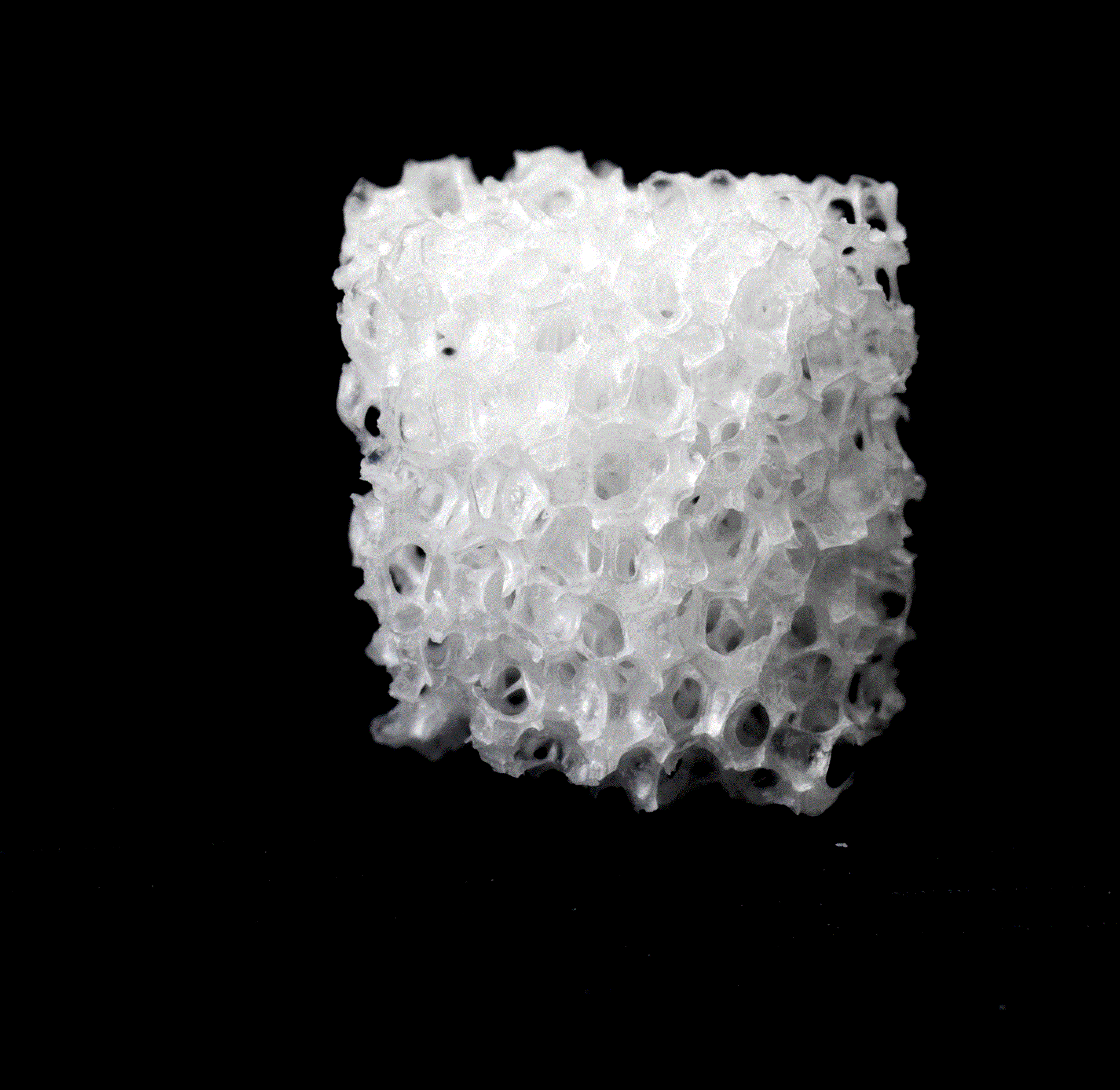
Bioceramics and bioglasses are ceramic materials that are biocompatible. Bioceramics are an important subset of biomaterials. Bioceramics range in biocompatibility from the ceramic oxides, which are inert in the body, to the other extreme of resorbable materials, which are eventually replaced by the body after they have assisted repair. Bioceramics are used in many types of medical procedures. Bioceramics are typically used as rigid materials in surgical implants, though some bioceramics are flexible. The ceramic materials used are not the same as porcelain type ceramic materials. Rather, bioceramics are closely related to either the body's own materials or are extremely durable metal oxides.
Prior to 1925, the materials used in implant surgery were primarily relatively pure metals. The success of these materials was surprising considering the relatively primitive surgical techniques. The 1930s marked the beginning of the era of better surgical techniques as well as the first use of alloys such as vitallium.
In 1969, L. L. Hench and others discovered that various kinds of glasses and ceramics could bond to living bone. Hench was inspired by the idea on his way to a conference on materials. He was seated next to a colonel who had just returned from the Vietnam War. The colonel shared that after an injury the bodies of soldiers would often reject the implant. Hench was intrigued and began to investigate materials that would be biocompatible. The final product was a new material which he called bioglass. This work inspired a new field called bioceramics. With the discovery of bioglass, interest in bioceramics grew rapidly.
On April 26, 1988, the first international symposium on bioceramics was held in Kyoto, Japan.
Ceramics are now commonly used as dental and bone implants. Surgical cermets are used regularly. Joint replacements are commonly coated with bioceramic materials to reduce wear and inflammatory response. Other examples of medical uses for bioceramics are in pacemakers, kidney dialysis machines, and respirators.
Bioceramics are meant[clarification needed] to be used in extracorporeal circulation systems (kidney dialysis, for example) or engineered bioreactors; however, they are most common as implants. Ceramics show numerous applications as biomaterials due to their physico-chemical properties. They have the advantage of being inert in the human body, and their hardness and resistance to abrasion makes them useful for bone and tooth replacement. Some ceramics also have excellent resistance to friction, making them useful as replacement materials for malfunctioning joints. Properties such as appearance and electrical insulation are also a concern for specific biomedical applications.
Some bioceramics incorporate alumina (Al2O3) as their lifespan is longer than that of the patient's. The material can be used in middle ear ossicles, ocular prostheses, electrical insulation for pacemakers, catheter orifices and in numerous prototypes of implantable systems such as cardiac pumps.
Aluminosilicates are commonly used in dental prostheses, pure or in ceramic-polymer composites. The ceramic-polymer composites are a potential way to fill cavities, replacing amalgams suspected to have toxic effects. The aluminosilicates also have a glassy structure. Unlike artificial teeth in resin, the colour of tooth ceramic remains stable. Zirconia doped with yttrium oxide has been proposed as a substitute for alumina for osteoarticular prostheses. The main advantages are a greater failure strength, and a good resistance to fatigue.
Hub AI
Bioceramic AI simulator
(@Bioceramic_simulator)
Bioceramic
Bioceramics and bioglasses are ceramic materials that are biocompatible. Bioceramics are an important subset of biomaterials. Bioceramics range in biocompatibility from the ceramic oxides, which are inert in the body, to the other extreme of resorbable materials, which are eventually replaced by the body after they have assisted repair. Bioceramics are used in many types of medical procedures. Bioceramics are typically used as rigid materials in surgical implants, though some bioceramics are flexible. The ceramic materials used are not the same as porcelain type ceramic materials. Rather, bioceramics are closely related to either the body's own materials or are extremely durable metal oxides.
Prior to 1925, the materials used in implant surgery were primarily relatively pure metals. The success of these materials was surprising considering the relatively primitive surgical techniques. The 1930s marked the beginning of the era of better surgical techniques as well as the first use of alloys such as vitallium.
In 1969, L. L. Hench and others discovered that various kinds of glasses and ceramics could bond to living bone. Hench was inspired by the idea on his way to a conference on materials. He was seated next to a colonel who had just returned from the Vietnam War. The colonel shared that after an injury the bodies of soldiers would often reject the implant. Hench was intrigued and began to investigate materials that would be biocompatible. The final product was a new material which he called bioglass. This work inspired a new field called bioceramics. With the discovery of bioglass, interest in bioceramics grew rapidly.
On April 26, 1988, the first international symposium on bioceramics was held in Kyoto, Japan.
Ceramics are now commonly used as dental and bone implants. Surgical cermets are used regularly. Joint replacements are commonly coated with bioceramic materials to reduce wear and inflammatory response. Other examples of medical uses for bioceramics are in pacemakers, kidney dialysis machines, and respirators.
Bioceramics are meant[clarification needed] to be used in extracorporeal circulation systems (kidney dialysis, for example) or engineered bioreactors; however, they are most common as implants. Ceramics show numerous applications as biomaterials due to their physico-chemical properties. They have the advantage of being inert in the human body, and their hardness and resistance to abrasion makes them useful for bone and tooth replacement. Some ceramics also have excellent resistance to friction, making them useful as replacement materials for malfunctioning joints. Properties such as appearance and electrical insulation are also a concern for specific biomedical applications.
Some bioceramics incorporate alumina (Al2O3) as their lifespan is longer than that of the patient's. The material can be used in middle ear ossicles, ocular prostheses, electrical insulation for pacemakers, catheter orifices and in numerous prototypes of implantable systems such as cardiac pumps.
Aluminosilicates are commonly used in dental prostheses, pure or in ceramic-polymer composites. The ceramic-polymer composites are a potential way to fill cavities, replacing amalgams suspected to have toxic effects. The aluminosilicates also have a glassy structure. Unlike artificial teeth in resin, the colour of tooth ceramic remains stable. Zirconia doped with yttrium oxide has been proposed as a substitute for alumina for osteoarticular prostheses. The main advantages are a greater failure strength, and a good resistance to fatigue.