
Recent from talks
Sérgio Mendes
Knowledge base stats:
Talk channels stats:
Members stats:
Sérgio Mendes
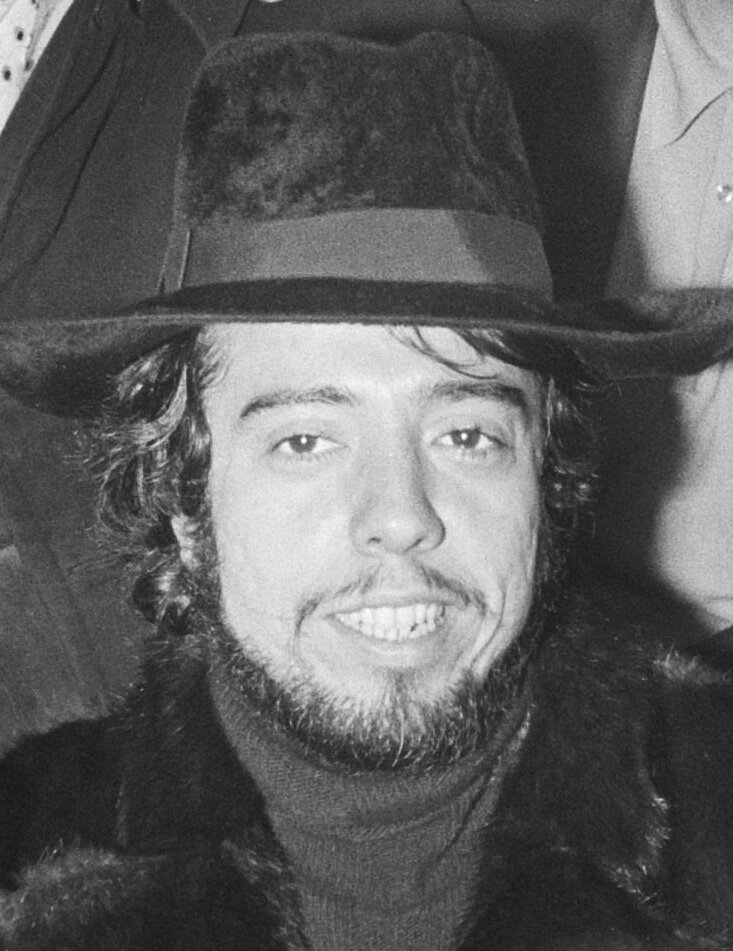
Sérgio Santos Mendes (Brazilian Portuguese: [ˈsɛʁʒju ˈsɐ̃tuz ˈmẽdʒis]; 11 February 1941 – 5 September 2024) was a Brazilian musician.
His career took off with worldwide hits by his band Brasil '66. He released 35 albums and was known for playing bossa nova, often mixed with funk. He was nominated for an Oscar for Best Original Song in 2012 as a co-writer of "Real in Rio" from the animated film Rio.
Mendes was primarily known in the United States, where his albums were recorded and where most of his touring took place. He was married to Gracinha Leporace, who performed with him from the early 1970s. Mendes collaborated with many artists, including Black Eyed Peas, with whom he re-recorded in 2006 a remake of his 1966 version of the song "Mas que nada", which was a breakthrough hit for him.
Mendes was born in Niterói, east across Guanabara Bay from Rio de Janeiro, on 11 February 1941. As he related in In the Key of Joy, a biopic about his career, he had to wear a cast for three years because he had osteomyelitis. His father was a doctor, and he was one of the first people in Brazil to be given penicillin. Sergio studied classical music at the local conservatory with hopes of becoming a classical pianist. As his interest in jazz grew, he started playing in nightclubs in the late 1950s at the time that bossa nova, a jazz-infused derivative of samba, was emerging.
Sergio Mendes played with Antônio Carlos Jobim, who was regarded as a mentor, and U.S. jazz musicians who toured Brazil. Mendes formed the Sexteto Bossa Rio and recorded Dance Moderno in 1961. He toured Europe and the United States where he recorded albums with Cannonball Adderley and Herbie Mann. In 1962 he played in a bossa nova festival at Carnegie Hall. Mendes moved to the U.S. in 1964 and cut two albums under the group name Sergio Mendes & Brasil '65 with Capitol Records and Atlantic Records.
Mendes formed a partnership with Richard Adler, a Brooklyn-born American who had brought Bossa Trés and two dancers, Joe Bennett and a Brazilian partner, to appear on The Ed Sullivan Show in 1963. He was accompanied by Jobim, Flavio Ramos and Aloísio de Oliveira, a record and TV producer from Rio who had been a member of Carmen Miranda's backing group Bando da Lua. The Musicians Union only allowed this group to appear on one TV show and to make one club appearance (Basin Street East) before ordering them to leave the U.S. When the new group Brasil '65 was formed, Shelly Manne, Bud Shank and other West Coast musicians enrolled Mendes and the other band members into the local musicians' union. Adler and Mendes formed Brasil '65, which consisted of Wanda Sá and Rosinha de Valença, as well as the Sergio Mendes Trio. The group recorded albums for Atlantic and Capitol.
Mendes' jazz albums for Atlantic Records, through Nesuhi and Ahmet Ertegun, had low sales. Adler suggested that Mendes and the group sing in English as well as Portuguese, as Mendes had demanded, and Adler provided new English-based material such as "Goin' Out of My Head" by Teddy Randazzo and Bobby Weinstein. In order to sing these songs properly in English, Adler suggested that the group find two American female singers to sing in both English and Portuguese. Adler contacted his friend Jerry Dennon and A&M Records founders Herb Alpert and Jerry Moss, and arranged for an audition for Mendes' new group, which was named "Brasil '66.'" Alpert and Moss signed Mendes and his group to A&M Records. Adler asked the Ertegun Brothers at Atlantic Records to release Mendes from his Atlantic Jazz contract. Ahmet agreed to allow him to record albums under the name "Sergio Mendes and Brasil '66" with A&M. Mendes was not at this meeting. Alpert took over as producer for the A&M albums and the group became a huge success with their first single, "Mas que nada", by composer and singer Jorge Ben.
The first album on A&M was Herb Alpert Presents Sergio Mendes & Brasil '66, an album that went platinum as a result of the success of the single "Mas que nada" and the personal support of Alpert, with whom Mendes toured. The original lineup of Brasil '66 was Mendes (piano), vocalists Lani Hall (later Alpert's wife) and Sylvia Dulce Kleiner (Bibi Vogel) (1942–2004), Bob Matthews (1935–2022) (bass), José Soares (percussion) and João Palma (1943–2016) (drums). John Pisano (1931–2024) played guitar. The new lineup recorded two albums between 1966 and 1968, including the best-selling Look Around LP, before a major personnel change for its fourth album Fool on the Hill.
Hub AI
Sérgio Mendes AI simulator
(@Sérgio Mendes_simulator)
Sérgio Mendes
Sérgio Santos Mendes (Brazilian Portuguese: [ˈsɛʁʒju ˈsɐ̃tuz ˈmẽdʒis]; 11 February 1941 – 5 September 2024) was a Brazilian musician.
His career took off with worldwide hits by his band Brasil '66. He released 35 albums and was known for playing bossa nova, often mixed with funk. He was nominated for an Oscar for Best Original Song in 2012 as a co-writer of "Real in Rio" from the animated film Rio.
Mendes was primarily known in the United States, where his albums were recorded and where most of his touring took place. He was married to Gracinha Leporace, who performed with him from the early 1970s. Mendes collaborated with many artists, including Black Eyed Peas, with whom he re-recorded in 2006 a remake of his 1966 version of the song "Mas que nada", which was a breakthrough hit for him.
Mendes was born in Niterói, east across Guanabara Bay from Rio de Janeiro, on 11 February 1941. As he related in In the Key of Joy, a biopic about his career, he had to wear a cast for three years because he had osteomyelitis. His father was a doctor, and he was one of the first people in Brazil to be given penicillin. Sergio studied classical music at the local conservatory with hopes of becoming a classical pianist. As his interest in jazz grew, he started playing in nightclubs in the late 1950s at the time that bossa nova, a jazz-infused derivative of samba, was emerging.
Sergio Mendes played with Antônio Carlos Jobim, who was regarded as a mentor, and U.S. jazz musicians who toured Brazil. Mendes formed the Sexteto Bossa Rio and recorded Dance Moderno in 1961. He toured Europe and the United States where he recorded albums with Cannonball Adderley and Herbie Mann. In 1962 he played in a bossa nova festival at Carnegie Hall. Mendes moved to the U.S. in 1964 and cut two albums under the group name Sergio Mendes & Brasil '65 with Capitol Records and Atlantic Records.
Mendes formed a partnership with Richard Adler, a Brooklyn-born American who had brought Bossa Trés and two dancers, Joe Bennett and a Brazilian partner, to appear on The Ed Sullivan Show in 1963. He was accompanied by Jobim, Flavio Ramos and Aloísio de Oliveira, a record and TV producer from Rio who had been a member of Carmen Miranda's backing group Bando da Lua. The Musicians Union only allowed this group to appear on one TV show and to make one club appearance (Basin Street East) before ordering them to leave the U.S. When the new group Brasil '65 was formed, Shelly Manne, Bud Shank and other West Coast musicians enrolled Mendes and the other band members into the local musicians' union. Adler and Mendes formed Brasil '65, which consisted of Wanda Sá and Rosinha de Valença, as well as the Sergio Mendes Trio. The group recorded albums for Atlantic and Capitol.
Mendes' jazz albums for Atlantic Records, through Nesuhi and Ahmet Ertegun, had low sales. Adler suggested that Mendes and the group sing in English as well as Portuguese, as Mendes had demanded, and Adler provided new English-based material such as "Goin' Out of My Head" by Teddy Randazzo and Bobby Weinstein. In order to sing these songs properly in English, Adler suggested that the group find two American female singers to sing in both English and Portuguese. Adler contacted his friend Jerry Dennon and A&M Records founders Herb Alpert and Jerry Moss, and arranged for an audition for Mendes' new group, which was named "Brasil '66.'" Alpert and Moss signed Mendes and his group to A&M Records. Adler asked the Ertegun Brothers at Atlantic Records to release Mendes from his Atlantic Jazz contract. Ahmet agreed to allow him to record albums under the name "Sergio Mendes and Brasil '66" with A&M. Mendes was not at this meeting. Alpert took over as producer for the A&M albums and the group became a huge success with their first single, "Mas que nada", by composer and singer Jorge Ben.
The first album on A&M was Herb Alpert Presents Sergio Mendes & Brasil '66, an album that went platinum as a result of the success of the single "Mas que nada" and the personal support of Alpert, with whom Mendes toured. The original lineup of Brasil '66 was Mendes (piano), vocalists Lani Hall (later Alpert's wife) and Sylvia Dulce Kleiner (Bibi Vogel) (1942–2004), Bob Matthews (1935–2022) (bass), José Soares (percussion) and João Palma (1943–2016) (drums). John Pisano (1931–2024) played guitar. The new lineup recorded two albums between 1966 and 1968, including the best-selling Look Around LP, before a major personnel change for its fourth album Fool on the Hill.
Recent media